
French Farmhouse Kitchen Trends for a Fresh Look
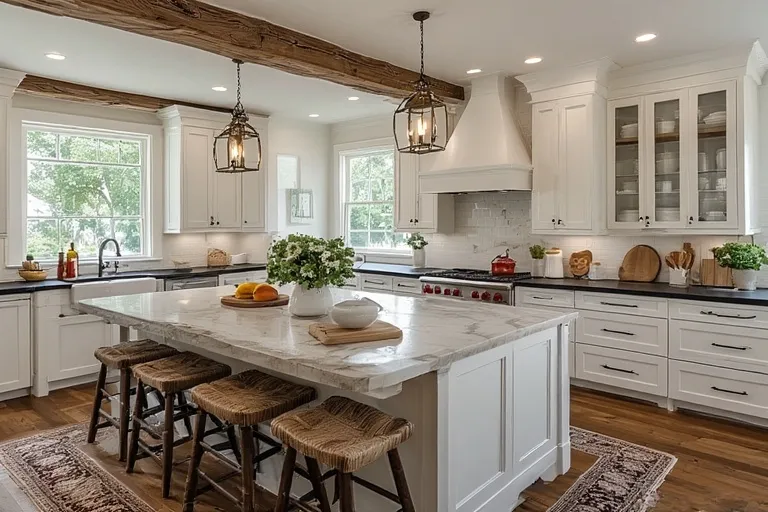
French farmhouse kitchen design captures the perfect blend of rustic charm and timeless elegance. Rooted in old-world character yet embracing modern comforts, this style transforms any kitchen into a warm and inviting space. From reclaimed wood beams and antique accents to cozy textures, a French farmhouse kitchen is more than just a cooking area—it’s a lifestyle that celebrates beauty, simplicity, and comfort.
The Essence of French Country Living
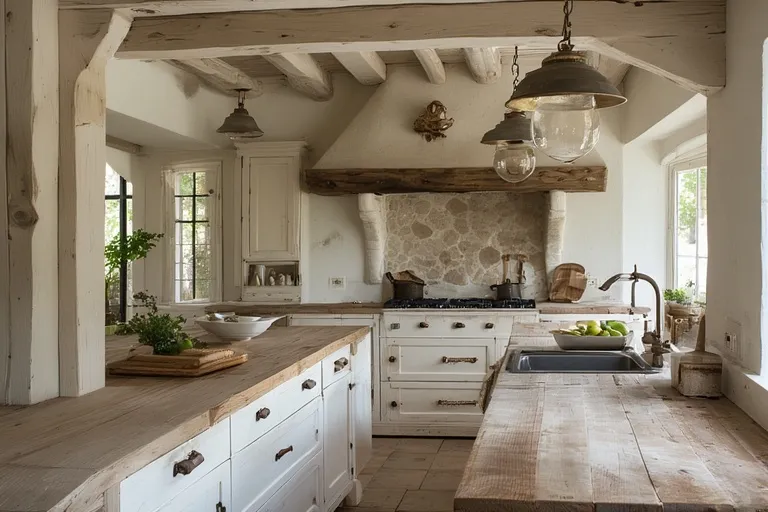
The French farmhouse aesthetic finds its roots in the rural countryside of Provence, where homes were designed to be practical yet beautiful. Each element in the kitchen — from handcrafted cabinetry to vintage-inspired lighting — reflects a balance between elegance and functionality. The overall atmosphere is relaxed, charming, and filled with personal touches that tell a story.
This design style embraces imperfection as beauty. You’ll often find a mix of natural materials like stone, wood, and metal, all working together to create a lived-in, authentic feel. The focus isn’t on perfection but on creating a warm, inviting space that feels loved and lived in. You have to look Lavender Room Aesthetic
Elements of a French Farmhouse Kitchen
To achieve this charming and timeless look, it’s essential to focus on the right combination of materials, textures, and colors. Below are the defining features that bring a French farmhouse kitchen to life.
1. Natural Materials
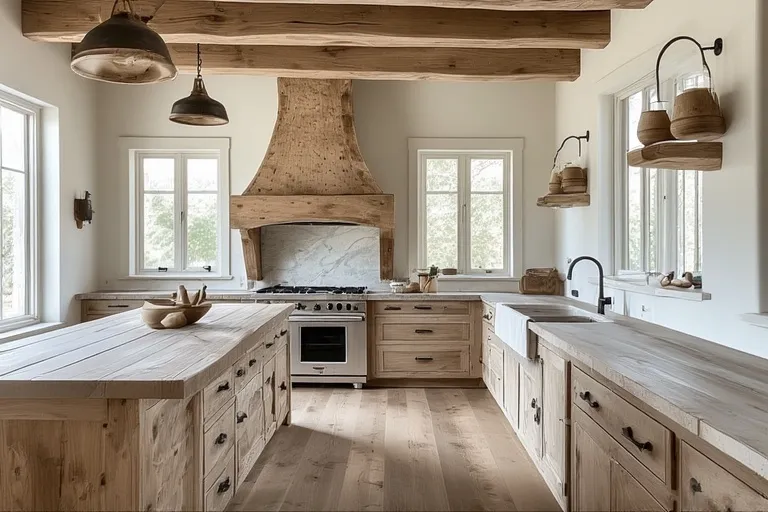
The foundation of this design lies in its use of natural, organic materials. Think weathered wood floors, exposed ceiling beams, and stone countertops. Materials that age gracefully — such as butcher block or marble — add authenticity and warmth. Reclaimed or distressed finishes are a hallmark of the style, creating an instant sense of history and character.
2. Soft, Neutral Color Palette
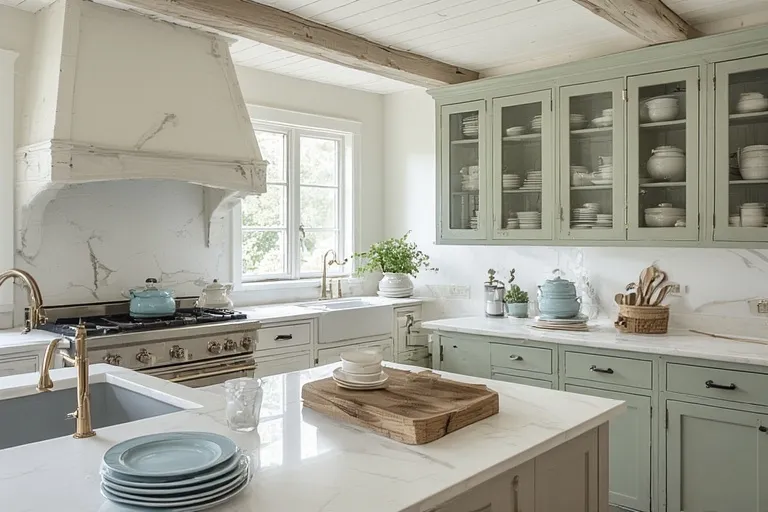
A true French farmhouse kitchen exudes a sense of calm through its color scheme. Whites, creams, soft grays, muted blues, and gentle pastels dominate the space. These shades not only brighten the room but also create an airy, timeless feel. Subtle pops of color — like sage green cabinets or light blue dishware — add personality without overwhelming the serenity.
3. Vintage and Antique Touches
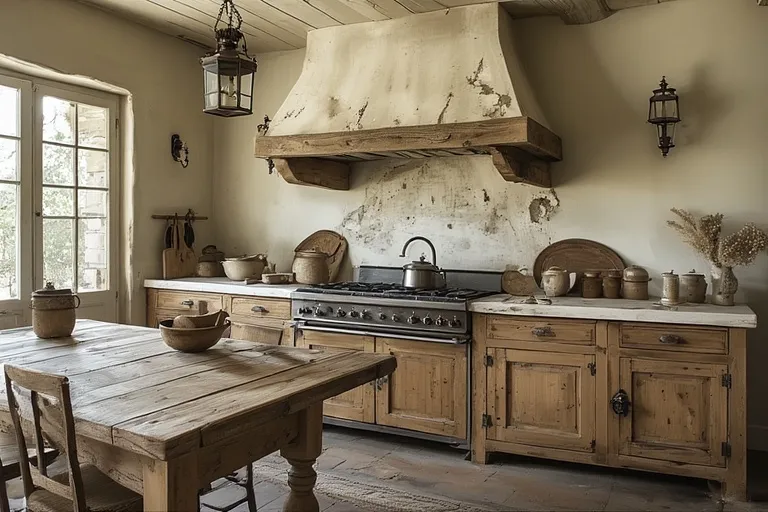
The charm of the French countryside comes alive through vintage furniture, antique hardware, and aged finishes. Look for old-world details like wrought-iron handles, rustic lanterns, and patinaed metals. A farmhouse table or a weathered wooden island often becomes the centerpiece, grounding the room with a sense of history and tradition.
4. Open Shelving and Display
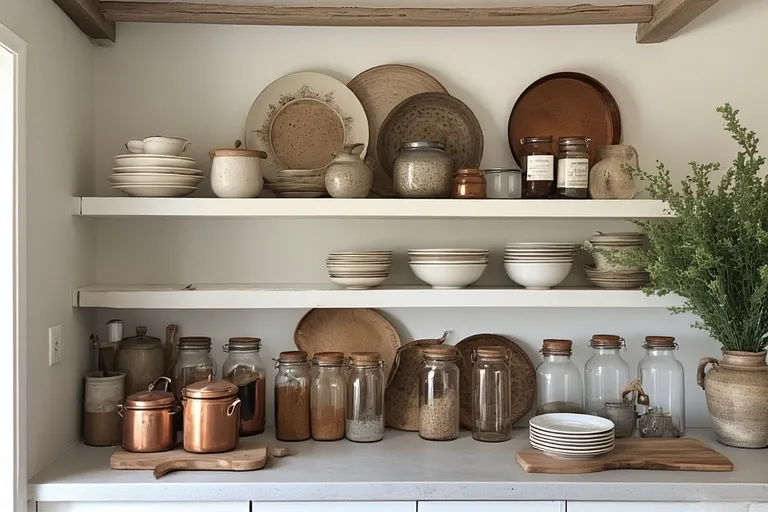
Instead of hiding everything behind closed doors, French farmhouse kitchens celebrate openness. Exposed shelves lined with ceramic dishes, glass jars, and copper pots add both beauty and practicality. This not only makes everyday items easily accessible but also turns storage into décor.
5. Decorative Lighting
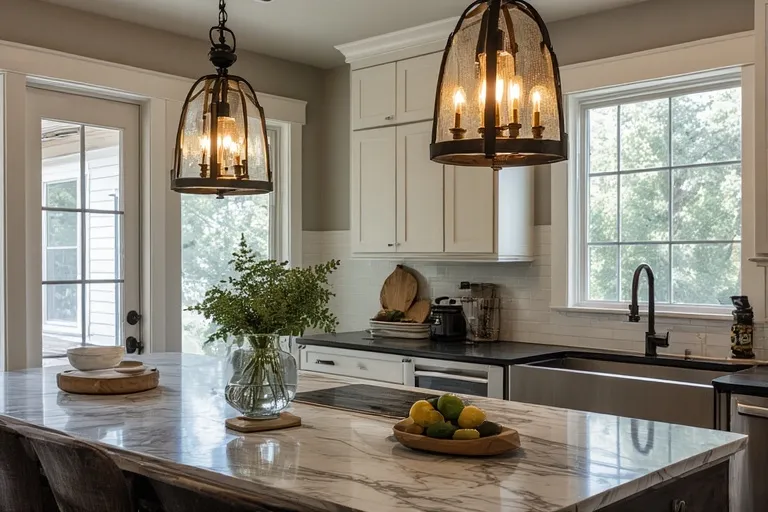
Lighting plays a major role in setting the tone. Opt for vintage-inspired chandeliers, pendant lights with wrought-iron detailing, or lantern-style fixtures. Warm lighting enhances the cozy atmosphere, making the kitchen feel inviting during any time of day.
6. Textures and Fabrics
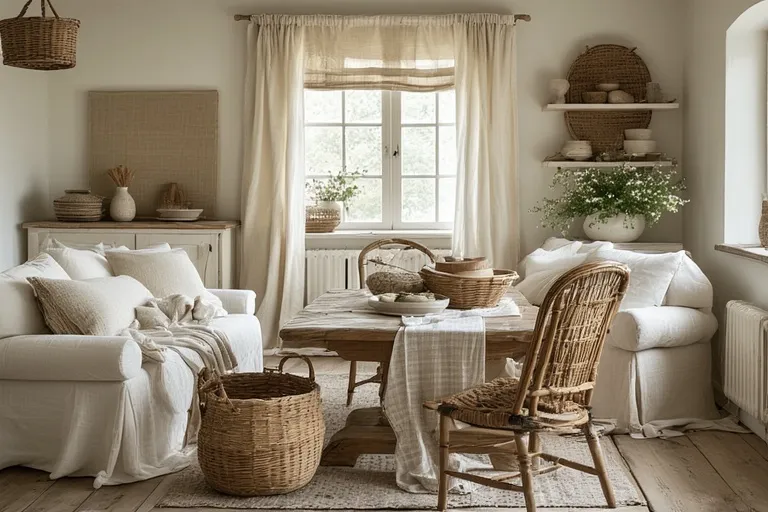
Texture is essential in creating depth and comfort. Linen curtains, woven baskets, and cotton table runners introduce softness to the rustic surroundings. Slipcovered chairs and checkered or floral patterns bring a hint of country charm, staying true to the French aesthetic.
7. Modern Comforts in a Rustic Frame
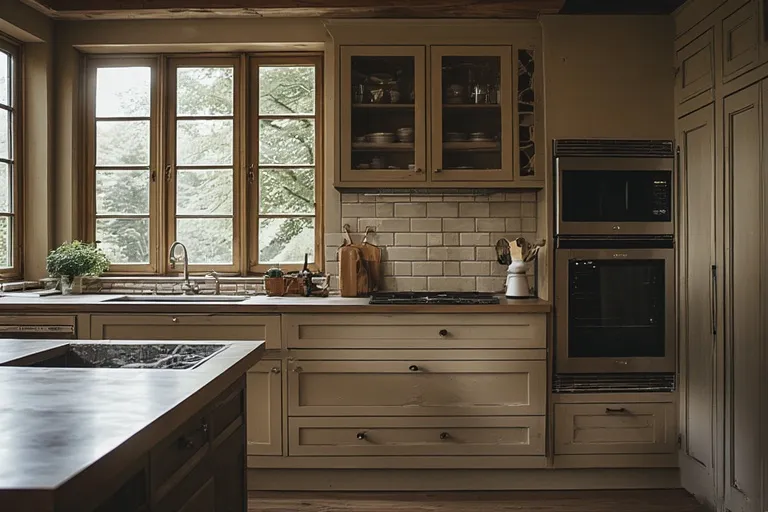
While the style is rooted in tradition, modern functionality still plays a key role. Sleek appliances can be subtly integrated without breaking the old-world appeal. Hidden storage, smart organization, and durable materials ensure the kitchen remains practical for daily life.
Designing a French Farmhouse Kitchen: Step-by-Step Inspiration
If you’re dreaming of transforming your kitchen into a rustic French retreat, here’s how to bring the look together with intention and elegance.
Step 1: Start with the Foundation
Begin by focusing on walls, floors, and cabinetry. Choose light, neutral tones for the walls — off-white or soft beige are perfect backdrops. Wide-plank wood floors or natural stone tiles will immediately ground the design.
Step 2: Select the Right Cabinets
Cabinetry is the heart of any kitchen, and in a French farmhouse style, it’s all about craftsmanship and charm. Opt for shaker or beadboard doors with a distressed finish. Cream, ivory, or pale gray shades keep the look refined and timeless.
Step 3: Add Rustic Accents
Incorporate open shelving, rustic wood beams, and antique-style hardware. These elements create a sense of age and authenticity. Mixing old with new — such as a vintage hutch paired with modern appliances — keeps the space both functional and full of character.
Step 4: Choose the Perfect Countertops
Butcher block, marble, or soapstone countertops enhance the farmhouse appeal. Their natural texture and gentle wear add warmth and visual interest. Avoid overly glossy finishes; a matte or honed surface feels more organic.
Step 5: Incorporate Statement Lighting
Install a chandelier or a series of pendant lights above the island to become a focal point. Wrought iron, aged brass, or glass lanterns embody the rustic French feel beautifully.
Step 6: Add Personal Details
No French farmhouse kitchen is complete without touches that reflect your personality. Display cookbooks, vintage ceramics, or potted herbs. These small elements make the kitchen feel personal, cozy, and lived in.
Benefits of a French Farmhouse Kitchen Design
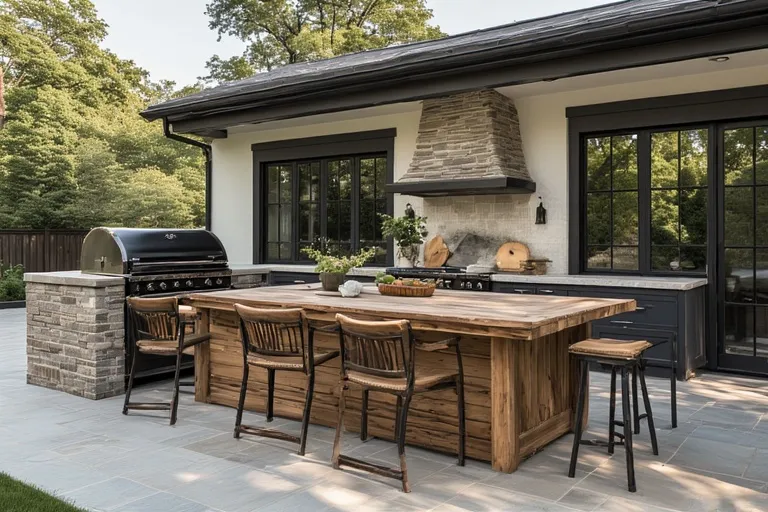
- Timeless Appeal: This style never goes out of fashion and adapts easily to both modern and traditional homes.
- Warm and Welcoming: The design encourages togetherness and comfort.
- Highly Customizable: You can mix and match elements to fit your taste and lifestyle.
- Durability: The use of solid materials ensures longevity and lasting beauty.
- Functional Elegance: It balances practicality with refined aesthetics.
How to Blend Modern Trends with Classic French Style
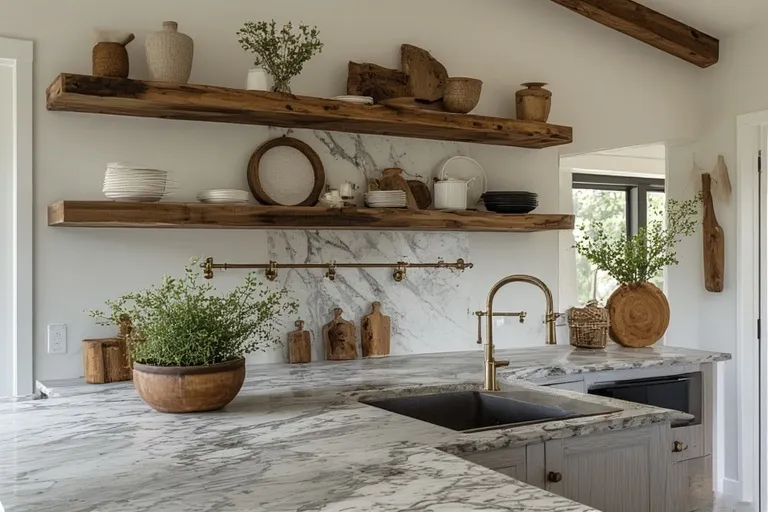
Modern design doesn’t have to clash with the rustic charm of a farmhouse kitchen. Here are a few ideas to create a balanced, updated look:
- Matte black or brass fixtures add a sleek contrast to soft tones.
- Quartz countertops mimic natural stone but offer more durability.
- Smart lighting systems maintain energy efficiency without compromising aesthetics.
- Minimalist cabinetry paired with rustic décor keeps the space uncluttered.
This fusion approach ensures your kitchen feels both timeless and relevant in today’s world.
Maintenance Tips for a Long-Lasting French Farmhouse Look
To preserve the beauty of your kitchen:
- Regularly clean and oil wooden surfaces to prevent drying.
- Use mild cleaners for stone countertops.
- Repaint cabinetry every few years for a refreshed look.
- Keep décor minimal but meaningful — avoid overcrowding surfaces.
These steps help maintain the serene, uncluttered charm that defines the style.
Conclusion
French farmhouse kitchen design offers the perfect blend of rustic warmth and refined sophistication. Its timeless charm, layered textures, and welcoming atmosphere make it a style that continues to captivate homeowners around the world. Whether you live in the countryside or a modern city apartment, incorporating French farmhouse elements can bring a touch of serenity and soul to your home. By focusing on natural materials, vintage details, and soft colors, you can create a kitchen that feels both classic and comforting — a true reflection of cozy, elegant living.
Q1: What defines a French farmhouse kitchen?
A French farmhouse kitchen blends rustic materials, vintage décor, and warm neutral tones for timeless charm.
Q2: What colors work best for a French farmhouse kitchen?
Soft neutrals like white, beige, cream, and muted pastels create a calm and elegant look.
Q3: How do I make my kitchen feel more French farmhouse style?
Use natural wood, antique accents, open shelving, and vintage lighting for authentic appeal.
Q4: Can a modern home have a French farmhouse kitchen?
Yes, modern homes can easily adapt the style with rustic textures and soft color palettes.
Q5: What materials are common in a French farmhouse kitchen?
Stone, wood, marble, and wrought iron are key materials that define the design.
One Comment