
Solarpunk House: Futuristic Designs for Eco Living
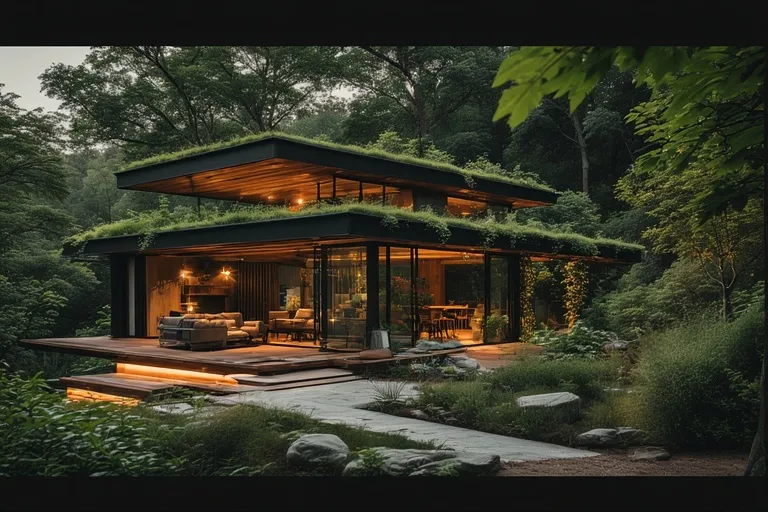
Solarpunk house designs showcase a future where technology, nature, and sustainability coexist seamlessly. These homes integrate renewable energy, green architecture, and eco-conscious materials to create living spaces that are both functional and environmentally responsible. Unlike traditional urban dwellings, solarpunk homes prioritize reducing carbon footprints while maintaining modern comfort. This approach inspires a lifestyle that values harmony with the environment and mindful living.
At the heart of a solarpunk homes is innovative design paired with natural elements. Green roofs, solar panels, and vertical gardens are common features that enhance energy efficiency while bringing the outdoors inside. Smart technology is used to optimize energy use and reduce waste, making daily life more sustainable. These thoughtful integrations turn every part of the home into an eco-friendly statement.
Understanding the Solarpunk Movement
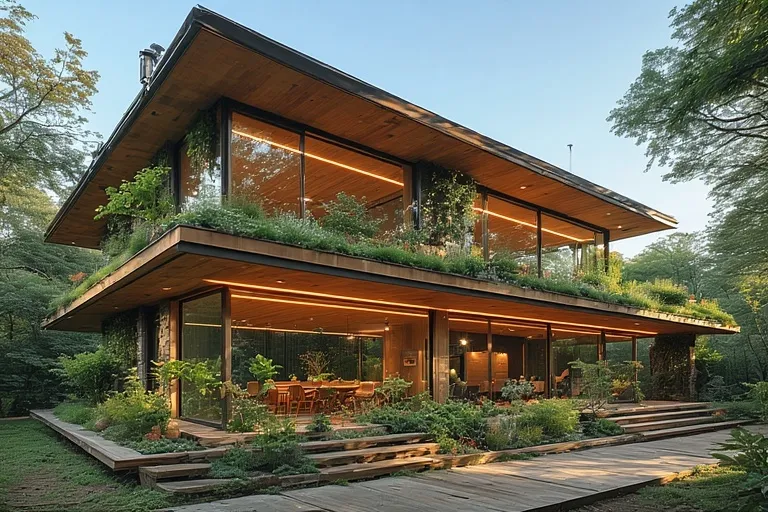
The term “solarpunk” describes a cultural and aesthetic movement that imagines a future where humanity thrives alongside nature. It emphasizes renewable energy, sustainable materials, and community-oriented living. In architecture, this translates into homes powered by solar energy, built with eco-friendly materials, and designed to reduce waste and energy consumption. Just visit Eco Living Decor
A solarpunk home embodies this philosophy by incorporating natural lighting, green roofs, vertical gardens, and other features that make the home self-sufficient while visually blending with the surrounding environment. This approach does not merely focus on technology; it balances innovation with an appreciation for natural beauty, creating spaces that feel alive and nurturing.
Key Features of a Solarpunk House
Building or adapting a solarpunk home involves several key design principles that prioritize both sustainability and aesthetics:
1. Renewable Energy Integration
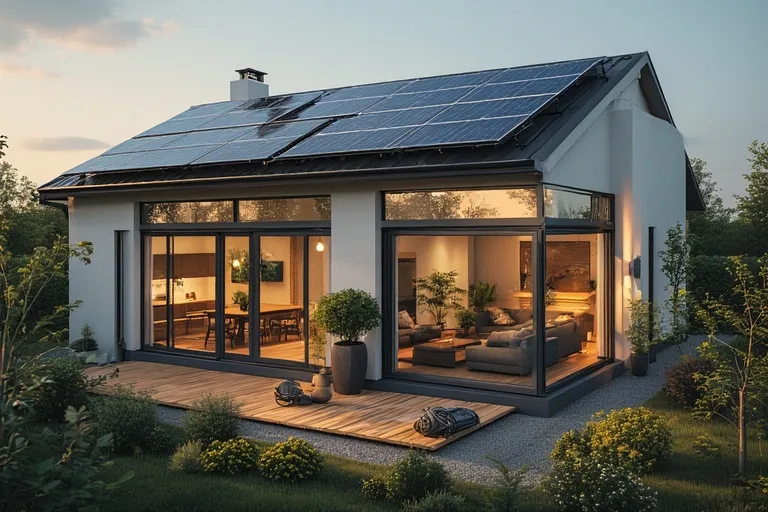
The heart of any solarpunk home is its use of renewable energy sources. Solar panels, wind turbines, and even small-scale hydro systems provide clean energy, reducing dependence on fossil fuels. Energy storage solutions like batteries ensure that the house remains powered even when natural energy sources fluctuate.
In addition, smart home systems help optimize energy use by monitoring consumption and adjusting lighting, heating, or cooling as needed. This combination of renewable energy and intelligent management makes the house both efficient and resilient.
2. Green Architecture and Materials
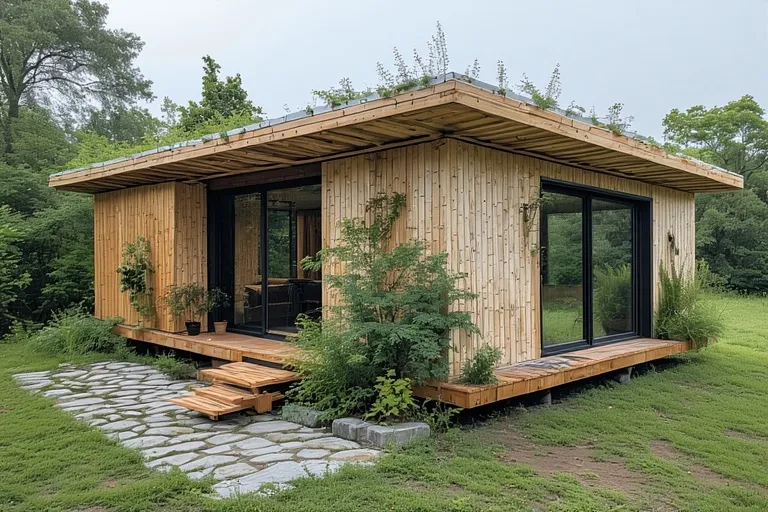
Materials used in solarpunk homes are chosen for their sustainability and minimal environmental impact. Bamboo, reclaimed wood, recycled metal, and low-VOC paints are common choices. Passive solar design, natural ventilation, and thermal insulation further reduce energy consumption.
Green roofs and living walls not only improve insulation but also enhance air quality and create habitats for local wildlife. These features transform the house into a miniature ecosystem that benefits both its inhabitants and the planet.
3. Water Conservation and Management

Water efficiency is another hallmark of a solarpunk home. Rainwater harvesting, greywater recycling, and low-flow fixtures minimize water waste. Landscapes often incorporate drought-resistant plants or edible gardens, reducing the need for excessive irrigation.
This focus on water management not only conserves resources but also encourages homeowners to become more mindful of their environmental footprint.
4. Community and Connectivity
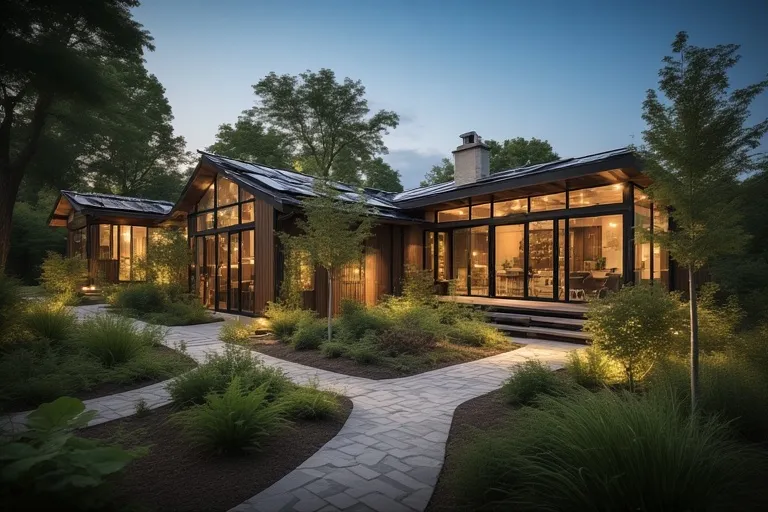
Solarpunk architecture often emphasizes the importance of community. Shared gardens, energy co-ops, and communal workspaces strengthen social bonds while promoting sustainability. In urban settings, solarpunk homes may be part of larger eco-villages or co-housing projects, demonstrating that environmentally responsible living can thrive on a collective scale.
Benefits of Living in a Solarpunk Homes
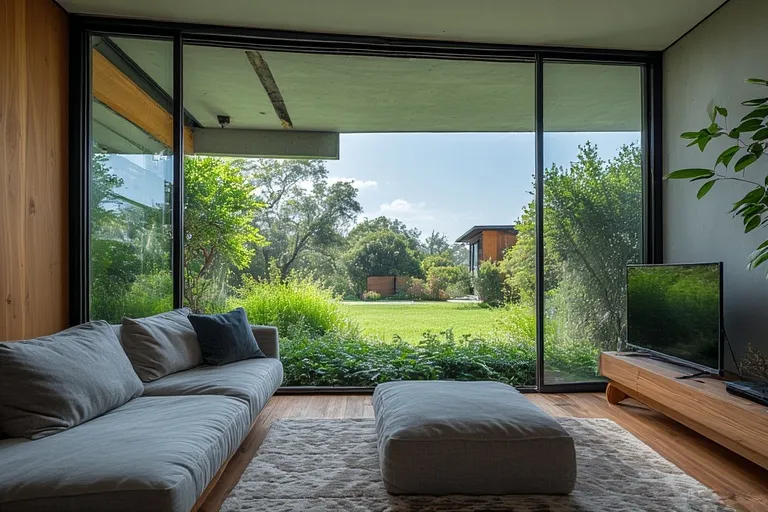
Choosing a solarpunk lifestyle comes with tangible and intangible benefits that extend beyond personal comfort:
- Reduced Carbon Footprint: By relying on renewable energy and sustainable materials, solarpunk homes drastically reduce greenhouse gas emissions.
- Lower Utility Costs: Energy-efficient appliances, solar power, and water-saving technologies can significantly reduce monthly expenses.
- Healthier Living Environment: Improved indoor air quality, natural lighting, and integration with nature contribute to physical and mental well-being.
- Inspiration for Sustainability: A solarpunk home serves as a model for eco-friendly living, inspiring neighbors and communities to adopt greener practices.
These advantages highlight that sustainability and modern living are not mutually exclusive but can enhance quality of life when thoughtfully combined.
Designing Your Own Solarpunk Homes
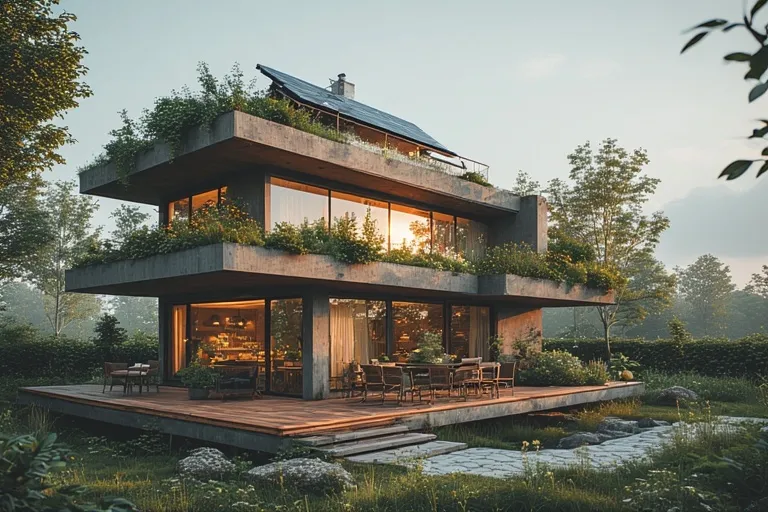
Creating a solarpunk home requires careful planning and attention to detail. Here are some steps to consider:
- Assess Your Site: Understand the climate, sunlight patterns, wind exposure, and water availability. These factors will influence energy production, natural lighting, and landscaping decisions.
- Select Sustainable Materials: Prioritize renewable, recycled, or low-impact materials to reduce the ecological footprint.
- Incorporate Energy Systems: Install solar panels, battery storage, and smart home technologies to optimize energy usage.
- Embrace Green Landscaping: Plan for green roofs, vertical gardens, rain gardens, and edible plants.
- Foster Community Connections: Consider sharing resources or collaborating with neighbors on renewable energy or garden projects.
The design process should be iterative, blending aesthetics, functionality, and environmental responsibility. By integrating these principles, homeowners can create spaces that are both beautiful and regenerative.
Challenges and Considerations
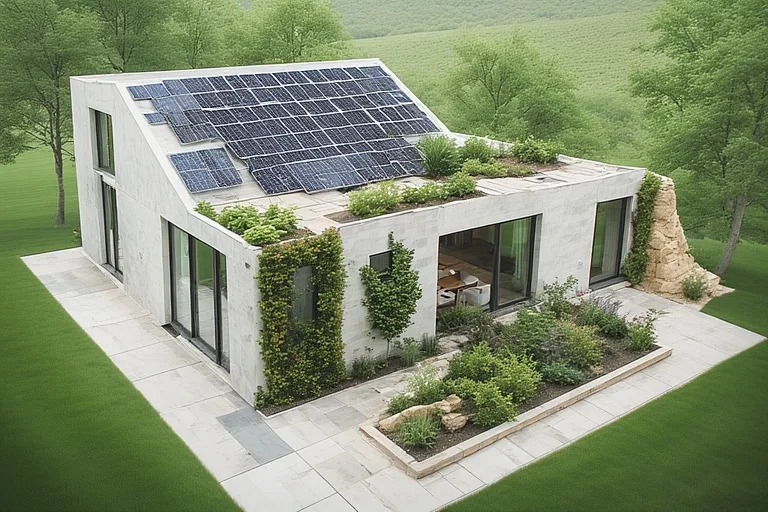
While the concept of a solarpunk home is inspiring, there are practical challenges to address:
- Initial Costs: Sustainable materials, solar panels, and green technologies can require higher upfront investment, though long-term savings often offset these costs.
- Technical Knowledge: Homeowners may need guidance from architects, engineers, or sustainability consultants to implement energy systems and green infrastructure effectively.
- Maintenance: Green roofs, vertical gardens, and renewable energy systems require ongoing care to perform optimally.
Despite these challenges, many people find that the benefits of a solarpunk home—from financial savings to environmental impact—make the effort worthwhile.
The Future of Solarpunk Living
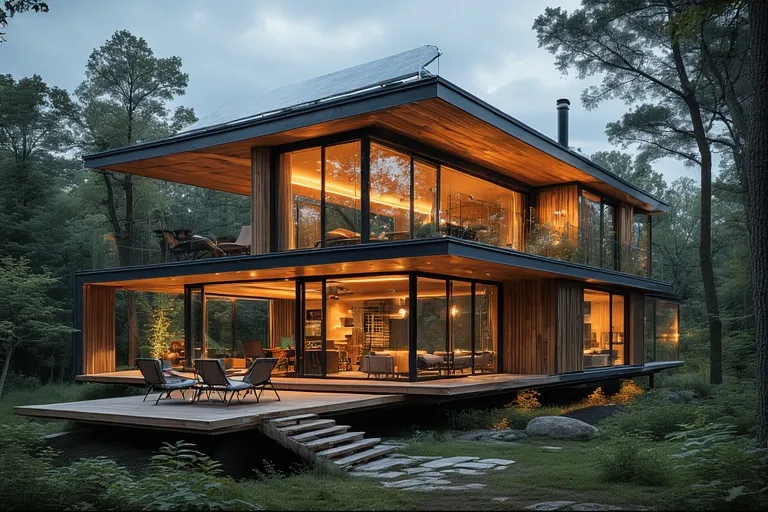
A solarpunk homes is more than a home; it represents a shift in how society perceives architecture and lifestyle. As climate concerns intensify and urban areas expand, integrating sustainable design into everyday living will become increasingly essential.
Emerging technologies, such as energy-efficient building materials, smart grids, and advanced water recycling systems, will make solarpunk homes more accessible and practical. At the same time, the movement’s emphasis on community, creativity, and harmony with nature ensures that these homes remain vibrant, welcoming spaces.
Conclusion
A solarpunk house embodies the vision of a future where humans live in balance with the environment, blending innovation with natural beauty. By incorporating renewable energy, sustainable materials, water efficiency, and community-oriented design, these homes provide not only comfort but also a path toward a more responsible and connected way of living. Embracing this approach offers a tangible solution to environmental challenges while creating spaces that inspire and nurture those who call them home.
1. What is a solarpunk house?
A solarpunk house is a sustainable home that integrates renewable energy, eco-friendly materials, and green architecture.
2. What are the key features of a solarpunk house?
Key features include solar panels, green roofs, vertical gardens, water conservation systems, and energy-efficient designs.
3. How does a solarpunk house save energy?
By using solar energy, smart home systems, passive design, and efficient appliances, a solarpunk house significantly reduces energy use.
4. Can I build a solarpunk house in an urban area?
Yes, urban solarpunk houses can include rooftop gardens, solar panels, vertical greenery, and shared community spaces.
5. What are the benefits of living in a solarpunk house?
Benefits include lower utility bills, reduced carbon footprint, healthier living, and inspiration for sustainable lifestyles.
One Comment