
Eco Living Decor: Innovative Designs for a Greener Home
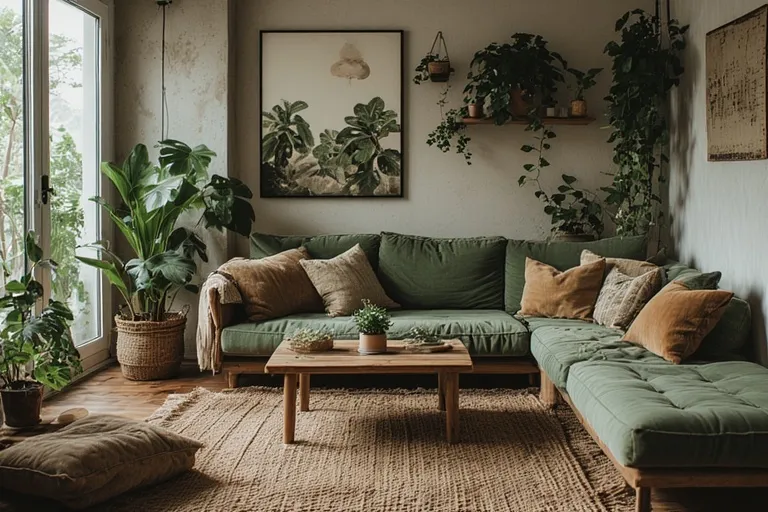
Creating an eco living decor is transforming homes by combining personal style with environmental responsibility. This approach focuses on creating spaces that are beautiful, comfortable, and sustainable, making conscious design choices a priority. From recycled materials to energy-efficient lighting, every element contributes to a greener, healthier living environment. Incorporating living decor allows you to craft a home that reflects your values without compromising on style.
The charm of eco-living decor lies in its versatility and creativity. You can mix natural textures, reclaimed wood, and organic fabrics to create a warm and inviting atmosphere. Thoughtful furniture selection, minimalist layouts, and indoor plants further enhance both aesthetic appeal and environmental mindfulness. With these strategies, eco-friendly design becomes a seamless part of everyday living.
Understanding Eco Living Decor
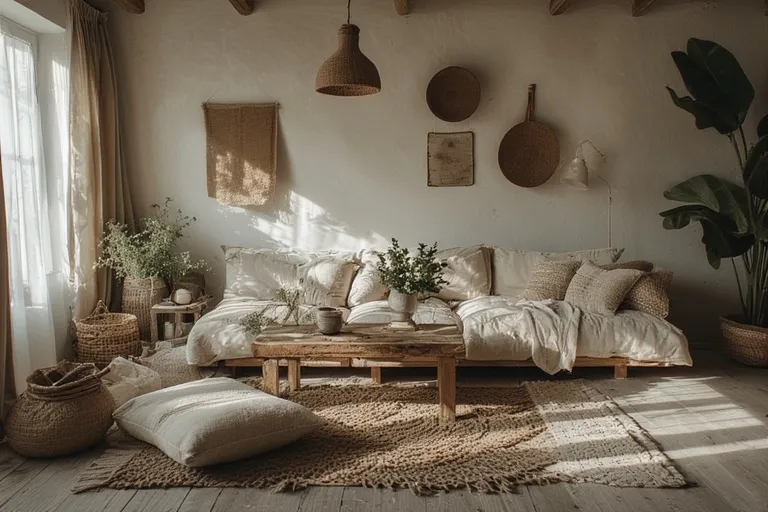
At its core, living decor emphasizes sustainability without compromising style. It focuses on reducing waste, selecting durable materials, and embracing timeless designs rather than following fleeting trends. Choosing eco-conscious furniture, natural textiles, and energy-efficient lighting can dramatically transform the look and feel of your home while minimizing your environmental footprint. You have to see Chaos Gardening Decor
Sustainable interior design encourages mindfulness in every decision. From the materials used in furniture to the paints applied on walls, living decor considers how each choice impacts the environment. This approach not only creates healthier spaces for you and your family but also supports ethical practices in production and consumption.
Choosing Sustainable Materials
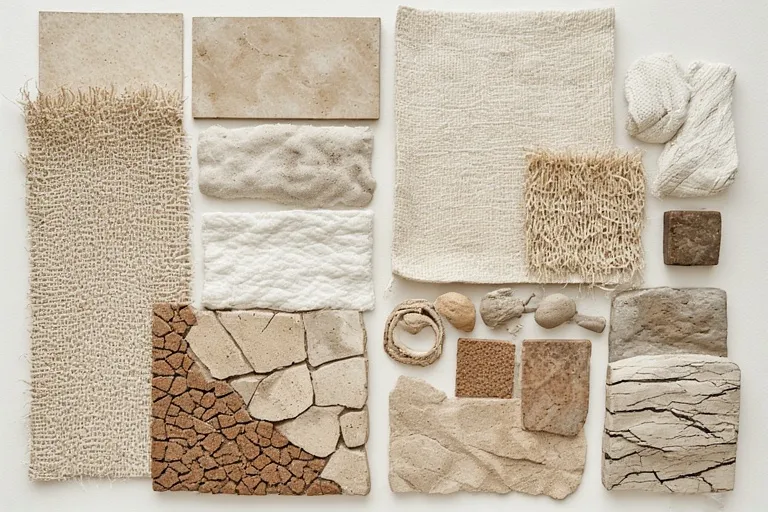
One of the most important aspects of living decor is material selection. Opting for renewable, recycled, or upcycled materials ensures that your home design contributes positively to the environment. Some popular options include:
- Bamboo and Cork: Both are rapidly renewable and incredibly durable, making them perfect for flooring, furniture, and decorative elements.
- Reclaimed Wood: Salvaged wood adds character and history to your home while reducing deforestation.
- Organic Fabrics: Linen, cotton, hemp, and wool, when grown and processed sustainably, provide eco-friendly alternatives to synthetic textiles.
- Recycled Metals and Glass: These materials are versatile for furniture, fixtures, and decorative accents, giving new life to materials that might otherwise end up in landfills.
By choosing these materials, you create a home that looks stylish and demonstrates a commitment to environmental responsibility.
Eco-Friendly Furniture and Decor
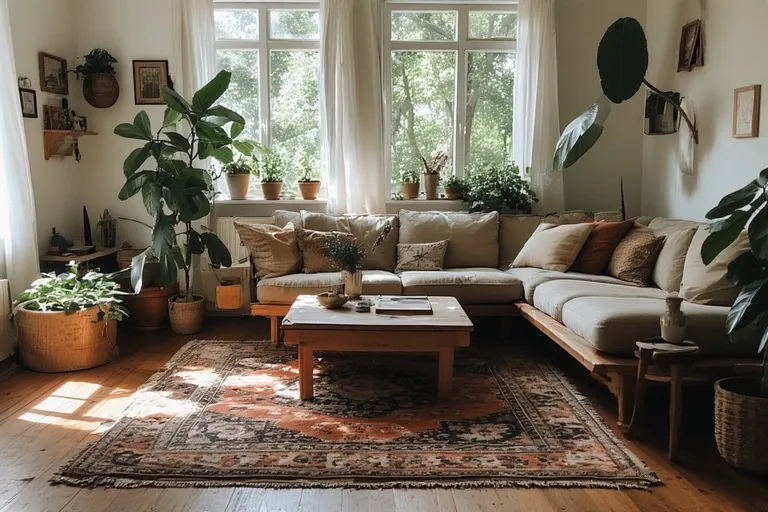
Furniture and decor play a central role in achieving a sustainable home. Look for pieces that are built to last rather than those designed for fast trends. Modular furniture, for instance, allows flexibility as your needs change, reducing the need for replacements. Vintage and second-hand furniture can be revived with minor refurbishments, blending sustainability with unique charm.
Additionally, decorative items like rugs, cushions, and curtains can be sourced from ethically produced or recycled materials. Handmade items often support local artisans while reducing carbon emissions from mass production. By investing in high-quality, eco-conscious items, you create a space that feels intentional, curated, and environmentally considerate.
Colors and Finishes That Promote Sustainability
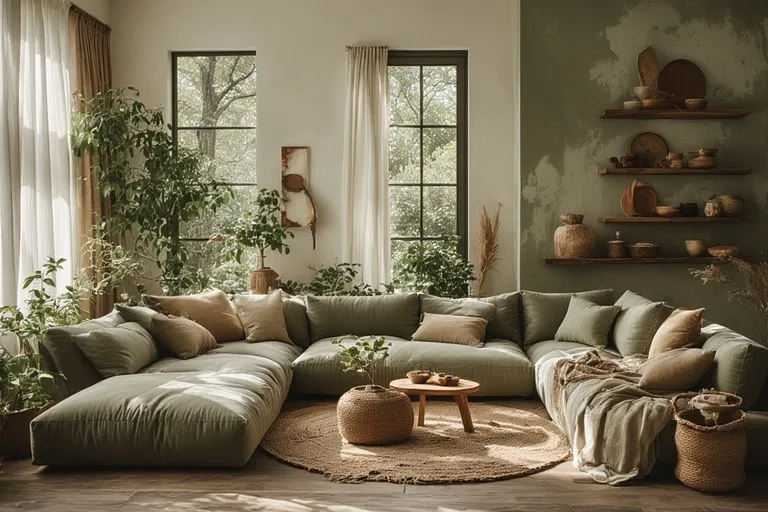
Colors and finishes are often overlooked in sustainable design but play a significant role in living decor. Natural paints with low or zero VOCs (volatile organic compounds) are safer for indoor air quality and the environment. Earthy tones inspired by nature—such as muted greens, warm browns, and soft beiges—enhance a calming, organic atmosphere.
Finishes should also be chosen carefully. Water-based stains and natural oils are preferable to chemical-laden varnishes. These choices not only improve the longevity of your furniture but also ensure a healthier living space for your family.
Energy Efficiency and Smart Choices
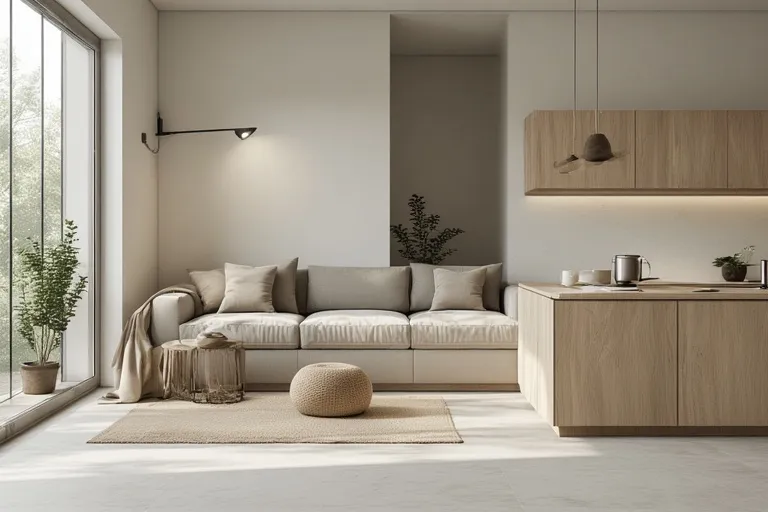
Sustainable design goes beyond materials. Energy-efficient lighting, appliances, and heating systems can significantly reduce your household’s carbon footprint. LED lighting, solar-powered options, and smart home systems help conserve energy while maintaining modern comfort and style.
Window placement and insulation also contribute to eco-friendly homes. Maximizing natural light reduces the need for artificial lighting, while proper insulation keeps the home comfortable year-round with less energy consumption. These small but impactful adjustments align with the principles of living decor, combining functionality with environmental responsibility.
Bringing Nature Indoors
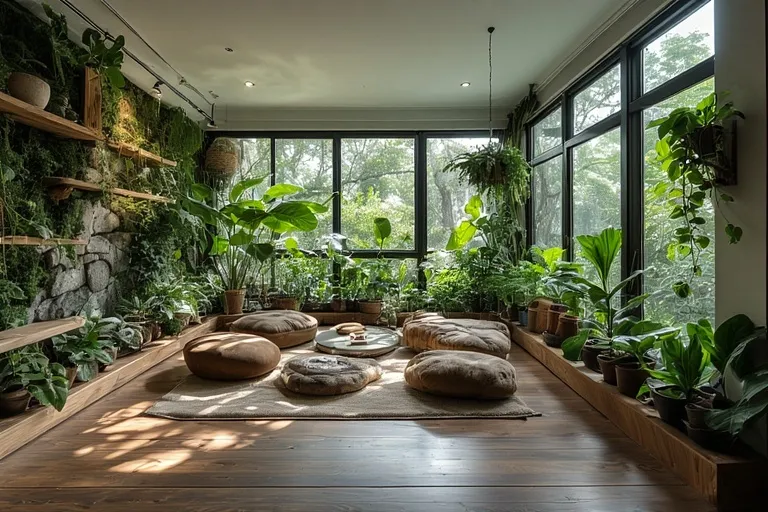
Integrating natural elements is another hallmark of living decor. Houseplants improve air quality, add texture, and create a sense of connection to the outdoors. Living walls, indoor gardens, or even simple potted plants can make a home feel lively and balanced.
Natural elements extend beyond plants. Stones, shells, driftwood, and other organic materials can be incorporated into decor, providing tactile interest and a direct link to nature. These elements contribute to a sense of harmony and well-being, enhancing both the aesthetics and the atmosphere of your home.
Minimizing Waste Through Thoughtful Design
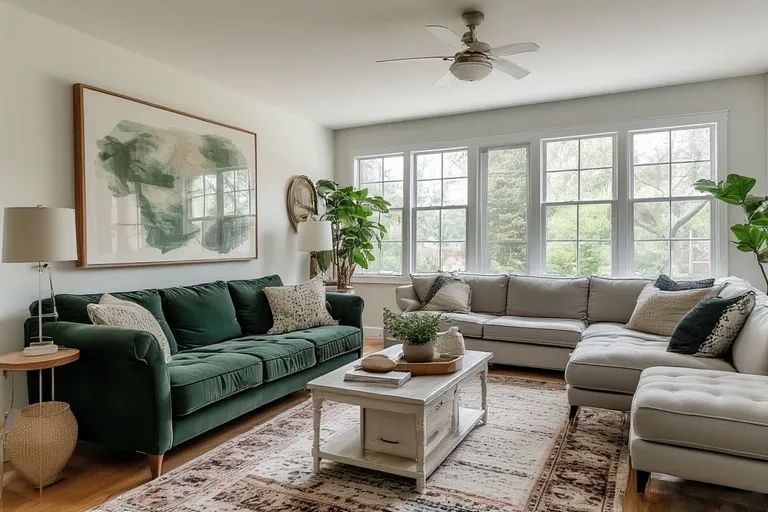
A critical component of sustainable decor is waste reduction. This includes avoiding disposable items, reusing what you already have, and making conscious purchases. Multi-functional furniture—like storage ottomans or foldable tables—reduces clutter while maximizing efficiency.
Upcycling old furniture or decor pieces is another practical approach. With a little creativity, worn-out items can gain new life and purpose. By emphasizing quality over quantity, you create a space that feels abundant without contributing to excessive consumption or landfill waste.
Tips for Maintaining a Sustainable Home

Sustainable living is an ongoing practice. Maintaining an eco-friendly home requires consistent habits and thoughtful routines:
- Regular Cleaning with Green Products: Use natural or biodegradable cleaning supplies to maintain your space without harming the environment.
- Proper Recycling and Composting: Manage household waste responsibly to reduce landfill impact.
- Periodic Decluttering: Regularly assess what you own, donating or repurposing items instead of discarding them.
- Mindful Purchasing: Invest in products that offer longevity, ethical production, and minimal environmental impact.
By following these practices, your home remains a model of eco-conscious living, blending style with responsibility.
The Benefits of Eco-Living Decor
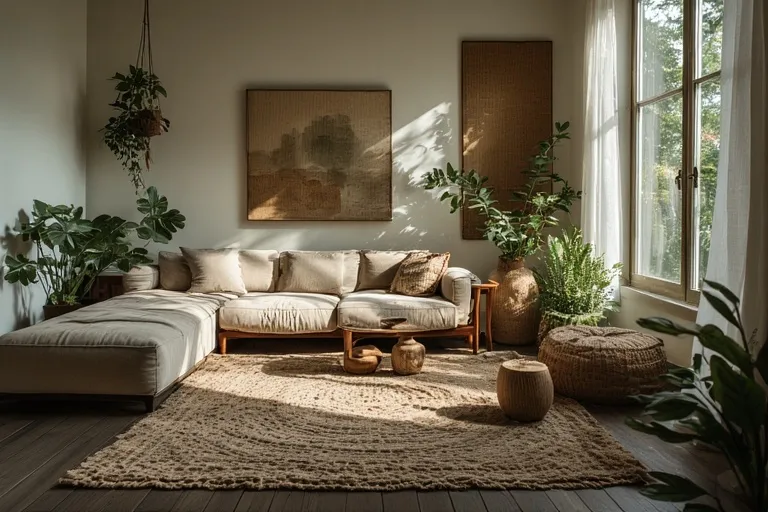
Adopting living decor offers multiple advantages:
- Healthier Environment: Reduced exposure to toxic chemicals and improved air quality.
- Long-Term Savings: Durable, energy-efficient items reduce replacement and utility costs.
- Aesthetic Appeal: Natural materials and earthy tones create timeless, calming spaces.
- Positive Impact: Supporting sustainable production helps protect the planet and communities.
Each of these benefits reinforces the value of designing a home that is both stylish and environmentally responsible.
Conclusion
Embracing eco living decor is a meaningful step toward creating a home that reflects your values while providing comfort, beauty, and sustainability. By carefully choosing materials, furniture, finishes, and practices, you can transform your space into an environment that nurtures both people and the planet. Thoughtful design, mindful consumption, and natural elements combine to create a home that is timeless, responsible, and truly harmonious with the world around it.
1. What is eco living decor?
Eco living decor is a sustainable approach to home design, using eco-friendly materials and mindful practices for style and comfort.
2. How can I make my home eco-friendly?
Use sustainable furniture, natural textiles, and energy-efficient lighting, and incorporate plants to create an eco-conscious living space.
3. What materials are best for eco living decor?
Bamboo, cork, reclaimed wood, organic fabrics, and recycled metals are ideal for eco-friendly and stylish home decor.
4. Can eco living decor be stylish?
Yes, eco living decor combines sustainable choices with timeless design, creating spaces that are both beautiful and environmentally responsible.
5. How does eco living decor benefit my health?
It reduces exposure to toxins, improves indoor air quality, and fosters a calm, natural environment in your home.
One Comment