
Self-Sufficient Garden: Clever Strategies for Success
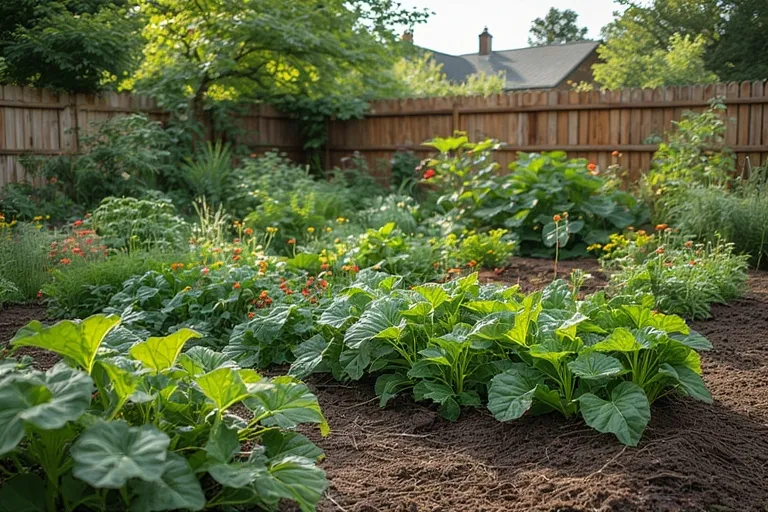
Self-sufficient garden design is more than a hobby; it’s a mindful shift toward independence and a deeper bond with nature. This approach encourages you to grow food that supports your daily life while nurturing soil that remains healthy year after year. It brings a sense of balance by allowing your outdoor space to work in harmony with the environment. With every plant you cultivate, you create a foundation for sustainable living.
Building a garden also rekindles the joy of producing ingredients you can use in everyday meals. It inspires confidence as you learn how to care for plants that yield long-lasting benefits. Many gardeners find that this lifestyle brings calmness and purpose to their routines. The act of tending the soil becomes a grounding ritual that supports both wellness and productivity.
Understanding the Benefits of a Self-Sufficient Garden

A garden built around self-reliance brings a long list of rewards that become clearer with each passing season. One of the strongest advantages is the ability to enjoy fresh produce with unmatched flavor and nutritional value. Homegrown fruits, herbs, and vegetables are not only packed with nutrients but also free from chemicals and unnecessary treatments. You gain control over what goes into your soil, what touches your plants, and how your food is handled.
Another benefit is the consistency and stability that come with producing your own essentials. Whether it’s basil for sauces, tomatoes for salads, or leafy greens for everyday meals, your garden gradually turns into a small-scale provider that supports your household. This type of outdoor space often becomes a peaceful retreat as well—an area where routine tasks such as watering or pruning feel more like moments of calm than chores. You have to look Biophilic Futuristic Design
Planning a System That Works for You

Before any seeds are planted, it helps to picture the garden as a system rather than a collection of isolated plants. This mindset encourages smarter decisions about layout, sunlight, water usage, and long-term maintenance.
Begin by assessing your environment: how much sun your space receives, the quality of the soil, and the amount of room you have available. Even limited spaces—balconies, rooftops, or compact yards—can flourish with the right plan. Raised beds, vertical setups, and container planting make it possible to grow a surprising range of crops without relying on a large plot of land.
Once you understand your space, choose plants that match your climate and growing conditions. Hardy crops that tolerate heat or cold, herbs that thrive with minimal attention, and vegetables suited to your region reduce stress and increase yields. Pairing compatible plants together can help prevent pests and promote healthier growth, a practice often referred to as companion planting.
Designing a Productive Self Garden Layout
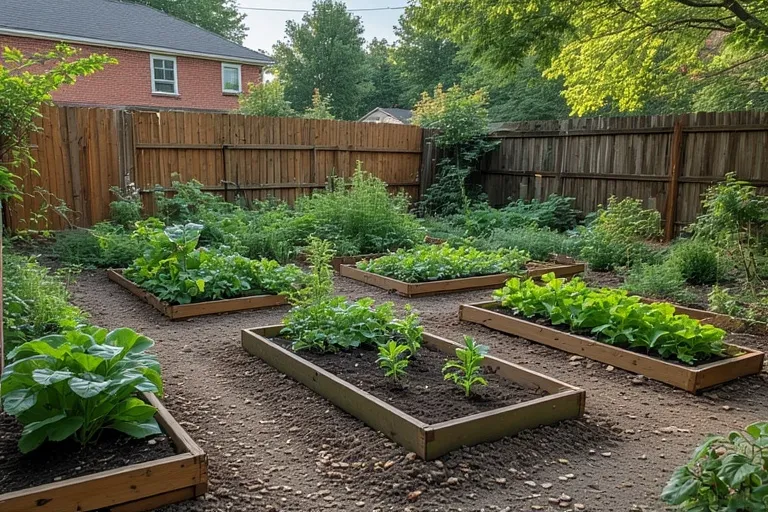
A successful layout balances convenience, plant health, and efficient use of space. Start by creating clear pathways that allow you to move comfortably while tending to your beds. Position taller plants where they will not block sunlight from others, and keep frequently used herbs close to the kitchen or entryway for quick access.
Water management also plays a key role. Drip irrigation, rain barrels, and mulching support healthier soil conditions and reduce water waste. The structure of your beds matters as well; raised beds warm up faster in spring, drain well, and create ideal growing conditions for many crops.
Consider adding areas dedicated to composting, seed storage, and tool organization. These simple additions keep the garden organized and functioning as a unified system rather than a scattered set of tasks.
Choosing Crops That Support Long-Term Independence

Certain plants offer exceptional value for a garden focused on independence. Leafy greens such as chard, kale, and spinach grow continuously when harvested correctly. Tomatoes, peppers, and cucumbers produce abundant harvests throughout warm seasons, while root vegetables like carrots and potatoes store well for later use.
Herbs deserve special attention. Mint, rosemary, parsley, oregano, and thyme rarely demand much care and can elevate meals year-round. Many herbs also deter pests naturally, offering multiple layers of usefulness.
Perennial plants are another smart addition. Berries, fruit trees, asparagus, and rhubarb return every year with minimal intervention. These plants anchor the garden and provide dependable harvests over long periods.
Supporting Healthy Soil and Sustainable Growth
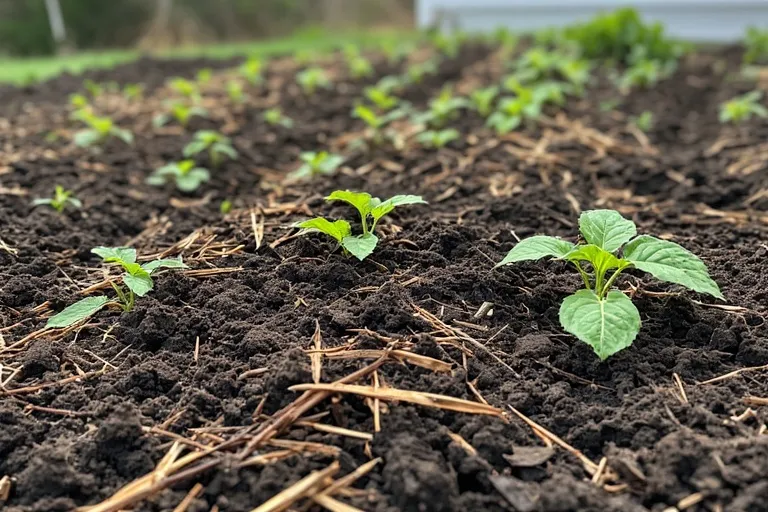
Healthy soil is the foundation of a productive garden. Instead of relying on synthetic treatments, aim to build a rich ecosystem beneath the surface. Composting kitchen scraps, fallen leaves, and yard waste gradually creates a powerful natural fertilizer. Earthworms and beneficial microbes then improve soil structure, helping roots absorb nutrients more easily.
Mulching is another essential practice. A layer of straw, wood chips, or dried leaves prevents moisture loss, suppresses weeds, and keeps soil temperatures stable. Over time, mulch breaks down and contributes additional organic matter to the ground.
Crop rotation is also helpful. By shifting plant families each season, you avoid nutrient depletion and reduce the chance of disease. This method mimics nature’s natural cycles, allowing the garden to stay productive year after year.
Incorporating Small Animals and Helpful Wildlife
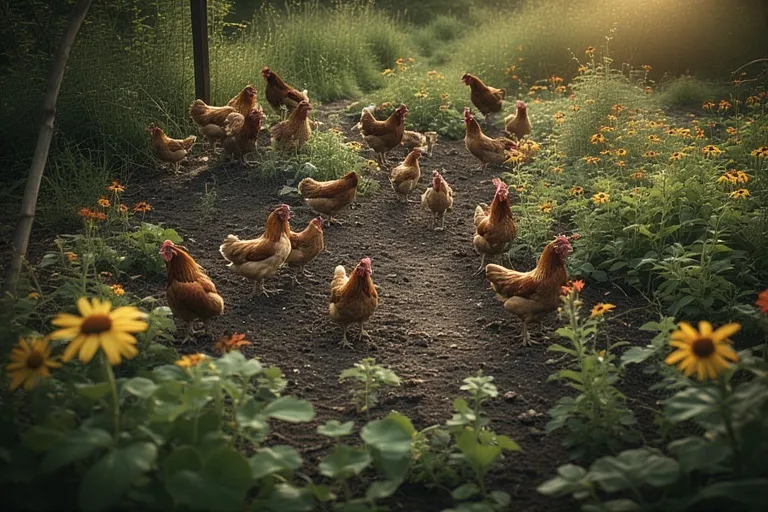
Not every garden includes animals, but those who do often find they become important partners. Chickens provide eggs, natural pest control, and nutrient-rich manure. Bees and butterflies strengthen pollination, increasing fruit production. Even birds and frogs play a role by keeping insects in check.
Inviting these helpers requires only a few simple adjustments—flowers that attract pollinators, shallow water sources, or shelters made from natural materials. When the environment feels welcoming, wildlife becomes part of the garden’s balanced ecosystem.
Creating Year-Round Use and Seasonal Flow
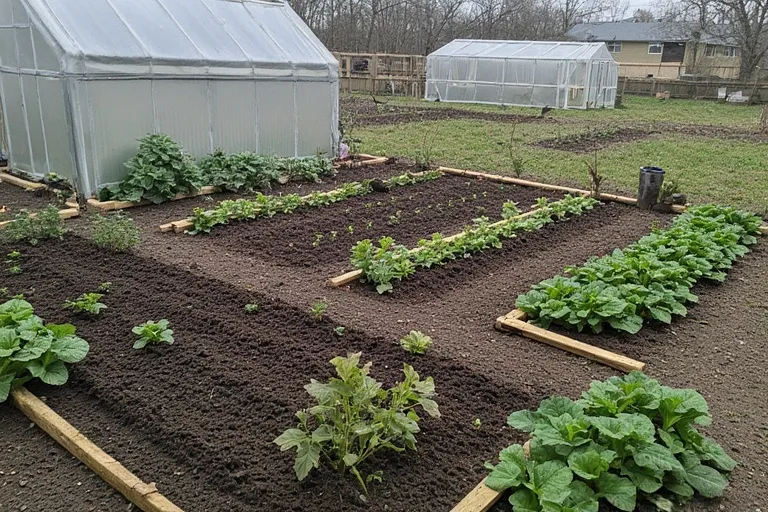
A garden focused on long-term stability operates throughout the year, not just in warm weather. Cool-season crops like lettuce, peas, and radishes grow well in early spring and late fall. Row covers, cold frames, and small greenhouses extend the growing season even further.
During winter, time is often spent planning new plantings, preserving produce, or enriching the soil with compost. This seasonal rhythm turns the garden into a continuous, evolving project rather than a short-term activity.
Enjoying the Rewards and Passing Them Forward
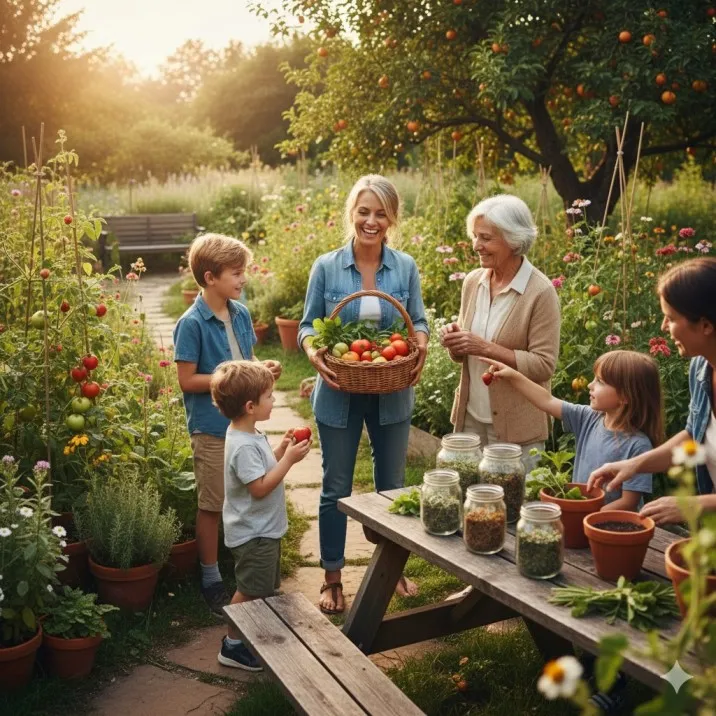
One of the most fulfilling aspects of this lifestyle is sharing the results. Extra tomatoes can be traded with neighbors, homemade herbal mixes given as gifts, or fresh greens brought to gatherings. These exchanges create a network of generosity and support, reinforcing the value of your hard work.
Children and visitors often develop a deeper appreciation for nature after spending time in such a space. Teaching someone how to sow a seed or harvest a ripe strawberry leaves a lasting impact, and the garden becomes a place of connection as much as production.
Conclusion:
A well-planned, self-sufficient garden becomes a source of nourishment, learning, and steady growth through every season. As you harvest each crop, enrich your soil, and watch new life unfold, you cultivate skills that stay with you for years. The garden evolves alongside your needs, offering stability, beauty, and a rewarding sense of independence that becomes deeply woven into daily living.
1. How much space do I need for a self-reliant garden?
You can start with any space because even small balconies or compact yards can support productive crops when planned wisely.
2. Which crops are best for long-term garden independence?
Leafy greens, herbs, tomatoes, root vegetables, and perennials offer steady harvests and excellent value through multiple seasons.
3. How do I keep soil healthy without chemicals?
Rich compost, mulching, crop rotation, and organic matter naturally nourish the soil and maintain strong plant growth.
4. Can a self-reliant garden work in colder climates?
Yes, because cool-season crops, cold frames, and thoughtful seasonal planning allow year-round productivity even in cooler areas.
5. Do I need animals like chickens to support the garden?
Animals help but are optional, since pollinator-friendly plants, composting, and natural methods already create a balanced system.
One Comment