
Recycled Materials Interior: Brilliant Eco Design Tips
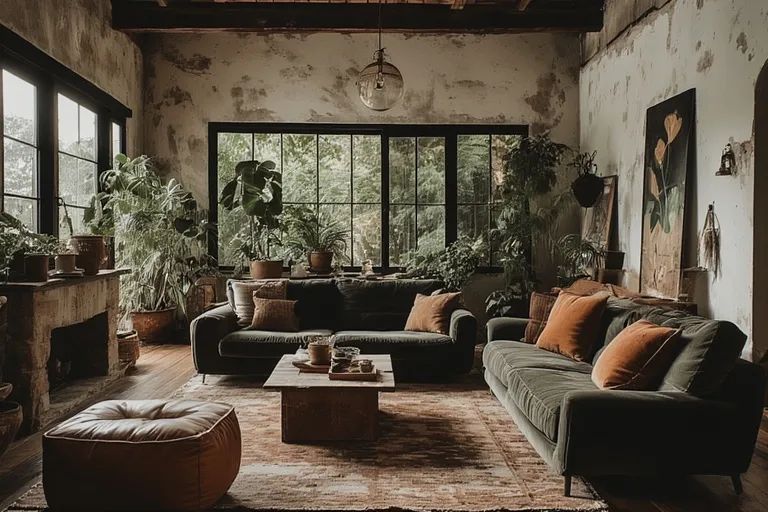
Recycled materials Interior concepts are transforming modern homes by combining sustainability with style. By repurposing materials, these designs reduce waste, minimize environmental impact, and bring unique character to every space. From reclaimed wood furniture to upcycled décor, they offer endless creative possibilities. Homes styled this way feel warm, personal, and thoughtfully crafted without compromising on aesthetics.
Beyond their eco-friendly benefits, recycled material interior concepts add texture and depth to interiors. Vintage metals, salvaged glass, and repurposed fabrics create visual interest while telling a story. These materials can complement a wide range of styles, from rustic and industrial to contemporary and minimalist. With careful selection and placement, recycled elements elevate a home’s design while honoring sustainability.
The Timeless Appeal of Recycled Materials Interior

Designing with repurposed elements carries a practical and soulful quality. Each item already carries a history, a texture, or a patina that adds depth to your surroundings. Instead of relying on mass-produced pieces, the home becomes a gallery of regained resources shaped into functional, long-lasting décor.
Recycled elements also blend naturally with a wide range of aesthetics—rustic, industrial, Scandinavian, organic modern, or eclectic. Whether used in flooring, furniture, textiles, or decorative items, these materials introduce a sense of authenticity. They allow for originality without the need for excessive production or raw extraction, which brings a layer of environmental respect to every corner. You should visit Eco Friendly Furniture Design
Designing With Reclaimed Wood
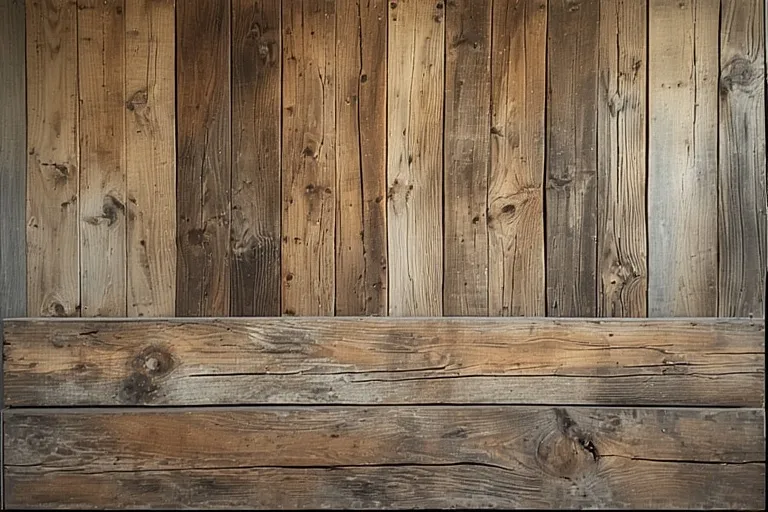
Reclaimed wood remains one of the most beloved choices for sustainable interior projects. Salvaged from old barns, factories, ships, and railway sleepers, reclaimed timber carries a visual richness that freshly cut wood can’t easily match. The grain patterns are matured, the textures feel naturally worn, and the tones vary beautifully based on the wood’s past life.
Many homeowners use reclaimed wood for accent walls, open shelving, headboards, coffee tables, or ceiling beams. In kitchens, reclaimed wood islands and cabinetry introduce warmth, softening the look of concrete or metal. These pieces also age gracefully, becoming even more attractive over time. With proper treatment, reclaimed wood remains sturdy and suitable for both decorative and structural use.
Upcycled Furniture for Character-Driven Spaces
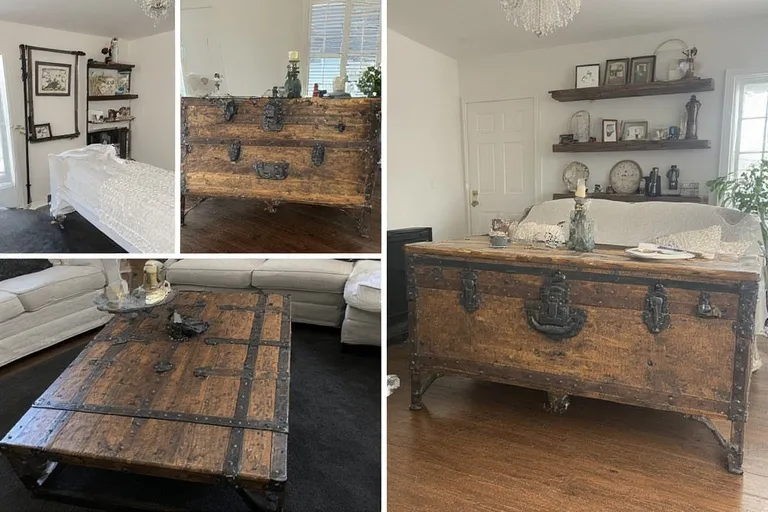
Furniture crafted from upcycled materials easily becomes a focal point in any room. An old trunk can become a statement coffee table. A vintage door can transform into a dining tabletop. Industrial steel frames can be reimagined into sturdy bookshelves. Each piece tells a story, making it more than just functional décor.
The charm lies in transformation—turning the overlooked into something purposeful. Craftsmen and small studios often specialize in these creations, giving homeowners access to handmade, one-of-a-kind furniture that stands apart from mass-market designs. Beyond its beauty, upcycled furniture is durable, often built from solid woods, metals, and hardware that were produced in eras known for long-lasting craftsmanship.
Glass, Metal, and Stone With a Second Life
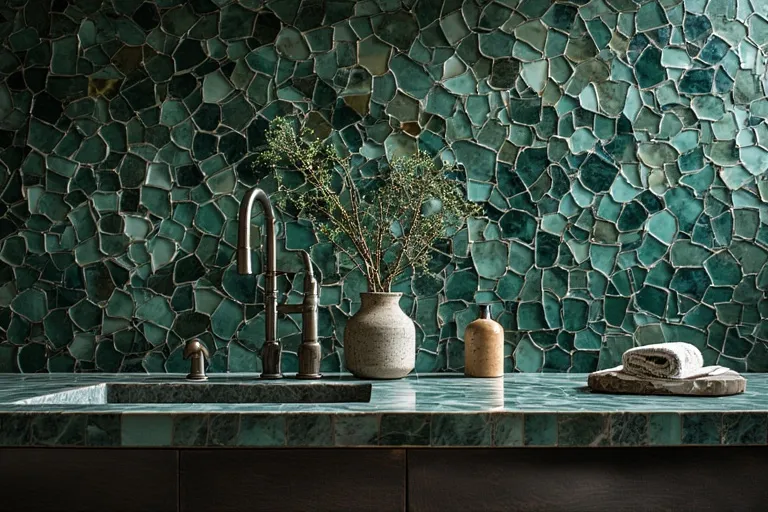
Recycled glass tiles give bathrooms and kitchens a radiant appearance with subtle color shifts and luminous surfaces. They catch light beautifully, elevating even small spaces. These tiles are available in mosaics, subway formats, hexagons, and artistic shapes, allowing homeowners to design spaces that feel both timeless and contemporary.
Recycled metal is equally versatile. Aluminum, brass, copper, and steel can be used in lighting fixtures, hardware, furniture legs, decorative screens, and wall art. Metals retain their strength even after multiple recycling cycles, making them a practical and resilient option.
Stone remnants from construction sites and factories also find new life as countertops, backsplashes, window sills, or outdoor stepping pathways. These pieces, often discarded during fabrication, gain renewed purpose with simple finishing.
Textiles Made From Renewed Fibers

Textiles play a significant role in creating comfort and atmosphere, and many designers now choose fabrics produced from recycled fibers. Options include cotton reclaimed from textile waste, wool reprocessed from discarded garments, and innovative fibers made from plastic bottles or industrial cast-offs.
Rugs made from recycled cotton offer softness and natural irregularity that add character to living rooms and bedrooms. Throws and cushions featuring re-spun yarns introduce color and texture without relying on resource-heavy production. Curtains made from recycled polyester blend well with modern spaces and maintain excellent durability.
Beyond aesthetics, these textiles reduce waste and support more responsible manufacturing cycles. Their presence in a room subtly reinforces the value of thoughtful material choices.
Creative Decor From Found Objects
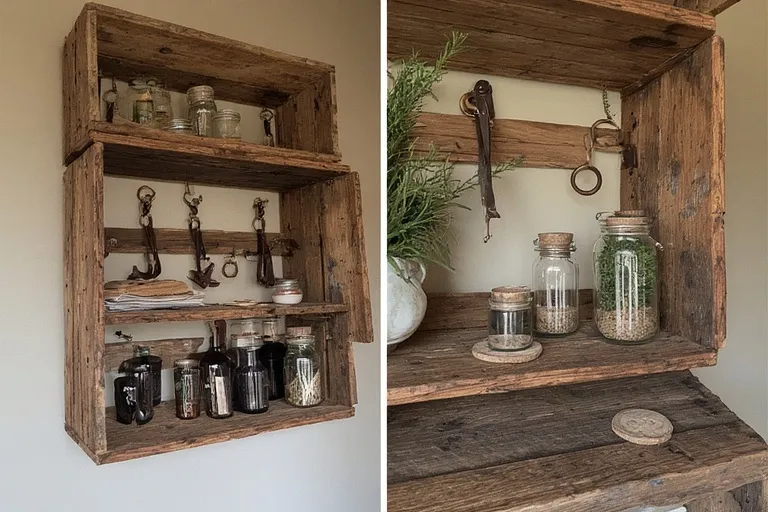
Small decorative accents crafted from repurposed elements can be incredibly expressive. Old wine crates become wall-mounted shelves. Weathered ladders turn into blanket racks. Discarded leather scraps evolve into coasters, straps, or drawer pulls. Glass jars transform into candle holders or terrariums.
These handcrafted touches infuse a home with personality. By giving new life to items that once served a different purpose, décor feels more intimate and layered. The process can even become an enjoyable hobby—collecting materials during travels, sourcing unique finds from flea markets, or collaborating with local artisans to design customized pieces.
Eco-Friendly Flooring Options
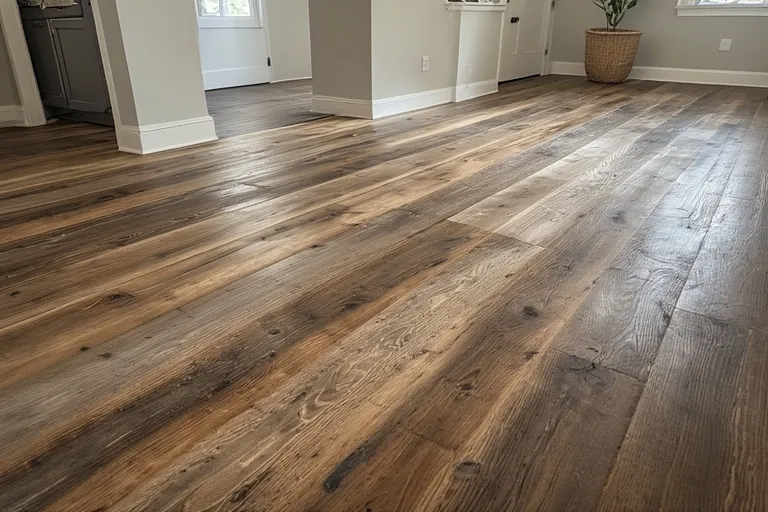
Flooring greatly influences the overall look of a home, and several recycled options bring strength, charm, and environmental mindfulness. Reclaimed wood flooring features deep tones and marks created by time, making every plank unique. Recycled rubber flooring works beautifully in home gyms, play areas, or utility rooms thanks to its resilience and comfort underfoot.
Carpeting created from recycled plastic bottles has improved dramatically over the years in both softness and durability. Tiles made from recycled porcelain or ceramic scraps provide a polished look while diverting waste from landfills. Each flooring type offers longevity while reducing the demand for fresh materials.
Balancing Sustainability With Style
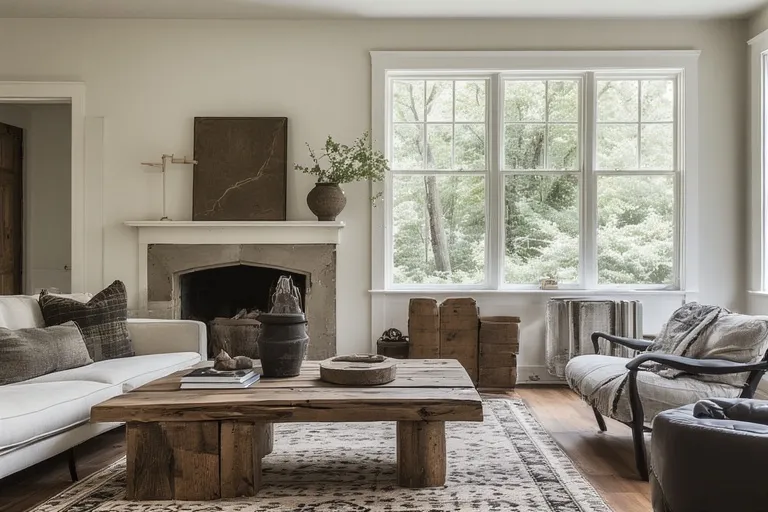
Working with recycled materials doesn’t limit creativity; in fact, it often expands it. The key is balance—mixing restored elements with modern finishes creates harmony. A sleek sofa paired with a reclaimed wood coffee table. Contemporary lighting combined with an upcycled metal console. A minimalist room softened by recycled-fiber textiles.
These combinations prevent a space from feeling overly themed or heavy. Instead, they highlight craftsmanship, imagination, and a thoughtful approach to consumption. The result is a home filled with texture, story, and intention.
Conclusion
Designing a home with care for the planet brings a sense of fulfillment that extends far beyond aesthetics. Integrating recycled materials interior ideas provides a practical, expressive, and responsible foundation for creating spaces that truly feel like home. Each reclaimed object or repurposed element contributes to a lifestyle centered on mindful choices, lasting quality, and genuine connection to the materials that surround us.
1. What are recycled materials in interior design?
Recycled materials in interior design are repurposed resources like wood, metal, or glass reused to create décor, furniture, and finishes.
2. Is recycled furniture durable for long-term use?
Yes, recycled furniture is often highly durable because many items are made from strong, older materials that age beautifully.
3. How can recycled materials improve home aesthetics?
They improve aesthetics by adding natural texture, unique character, and a distinctive sense of history to your living space.
4. Are recycled textiles comfortable and safe?
Yes, recycled textiles are comfortable, safe, and produced through processes designed to maintain softness and quality.
5. Can recycled decor work with modern home styles?
Yes, recycled decor blends easily with modern styles by balancing contemporary elements with organic, time-worn textures.
One Comment