
Moody Purple Bedroom: Captivating Designs for Calm
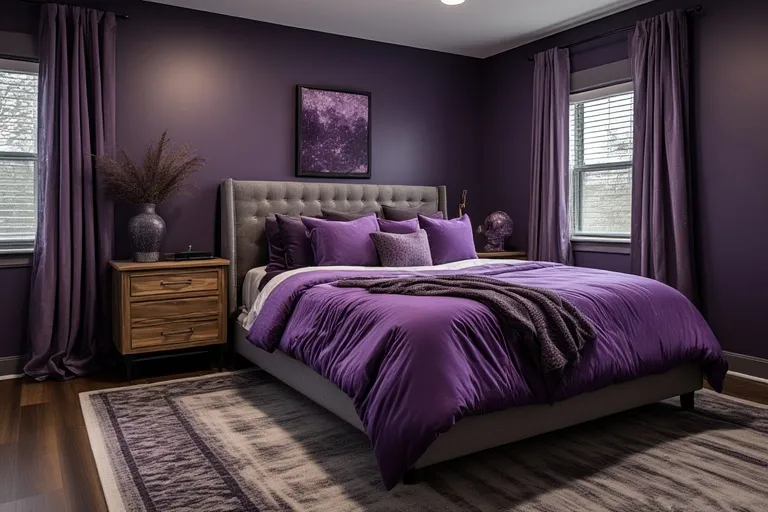
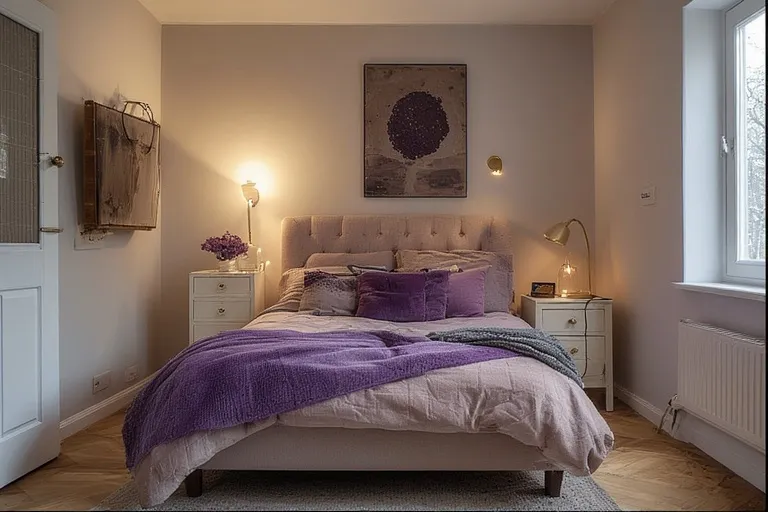
Moody purple bedroom design brings sophistication, depth, and a cozy ambiance to any personal space. This color palette blends rich purples with complementary tones to create a room that feels both luxurious and calming. Perfect for a master suite or a serene guest room, moody purple evokes creativity, elegance, and tranquility. With the right combination of lighting, textures, and decor, this palette transforms a simple bedroom into a private sanctuary.
Creating a balanced purple bedroom requires careful attention to color intensity and contrast. Pair deep purples with soft neutrals, metallic accents, or warm wood tones to keep the space inviting rather than overpowering. Layered textiles, such as plush rugs, velvet throws, and silky curtains, add texture and comfort. Thoughtful furniture placement and accessories complete the room’s cohesive, sophisticated look.
The Emotional Power of Purple Tones
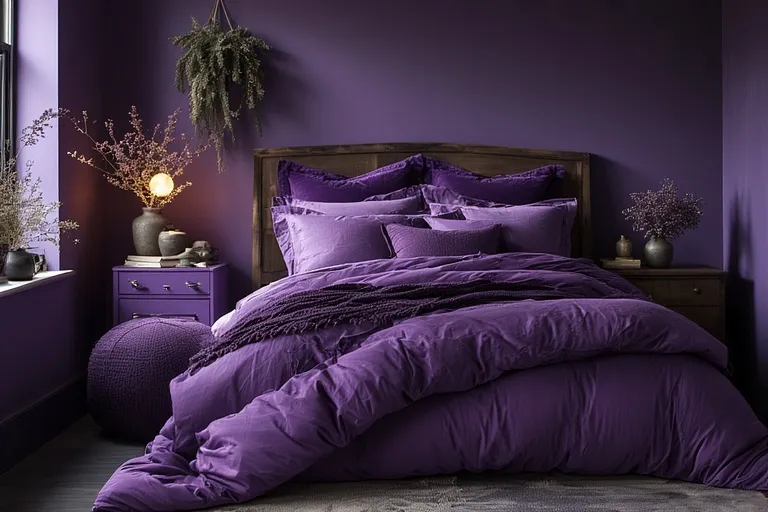
Purple carries a sense of mystery and softness at the same time. Deep purples offer grounding comfort, while muted lavender tones add gentle airiness. When blended, they create a room that feels both intimate and expressive. Many homeowners choose this palette for its ability to calm the mind after a long day. The right shade can bring serenity without feeling dull and dramatic richness without overwhelming the senses. You have to see Plum Walls Decor
The emotional impact of color plays a major role here. Darker purples absorb light, which gives the room a cocoon-like quality. It turns the bedroom into a haven, shielding it from the stress and brightness of daily life. Softer purples add contrast and prevent heaviness, helping the space remain balanced. This interplay is what makes the design so captivating.
Choosing the Right Purple Shades
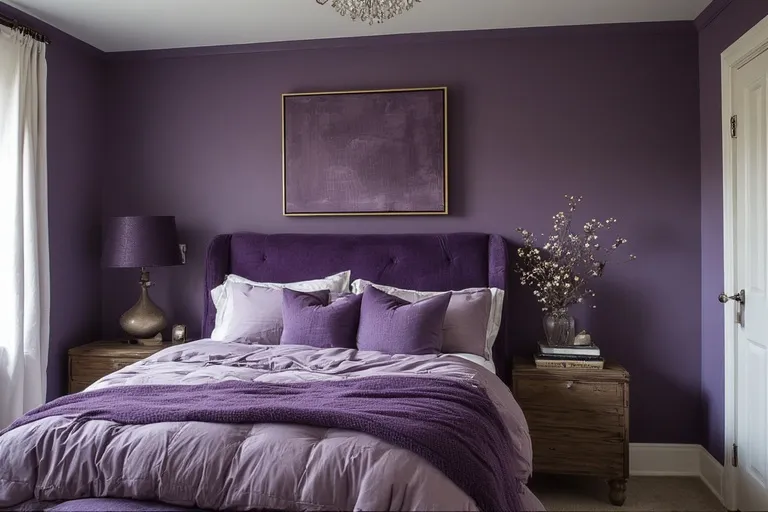
Selecting the right tone is the foundation of a successful purple-themed bedroom. Rich plum and eggplant shades create depth and drama. These colors pair beautifully with warm wood tones or brushed metals. If you prefer a softer expression, muted lilac or dusty lavender tones add a romantic, calming touch. These lighter shades blend well with neutrals like cream, beige, or warm gray.
A layered look works best with this palette. You can use deeper purples for accent walls, bedding, or curtains, while lighter purples appear in accessories or decor. The goal is to let the colors support each other without creating visual tension. A well-chosen combination can turn ordinary furniture into striking elements within the room.
Creating Balance With Neutrals and Textures
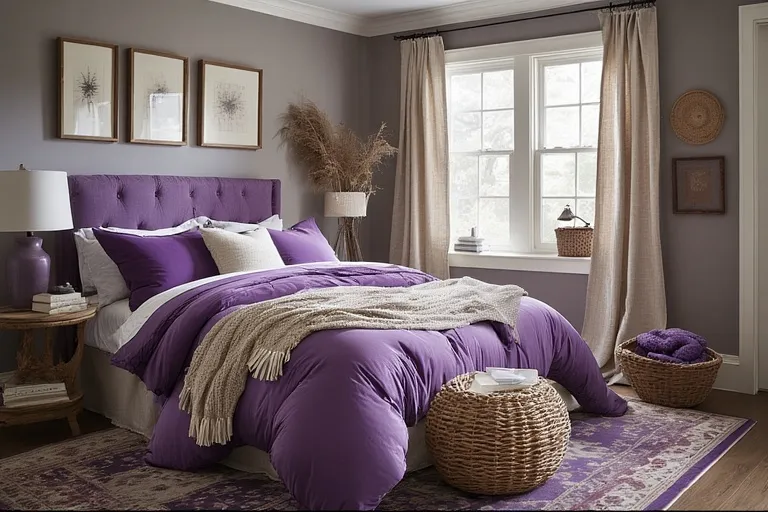
A purple-heavy space can look sophisticated, but it shines even more when paired with grounding neutrals. Soft beige, warm taupe, or creamy white offer a break from the intensity of darker shades. These colors are perfect for rugs, headboards, or large furniture pieces.
Textures bring another layer of character to the room. Velvet adds luxury and softness, making purple tones appear even richer. Linen brings a casual, airy feel, while knit throws introduce warmth. The contrast of finishes keeps the room visually engaging. When the palette leans into darker tones, introducing natural materials like wood, rattan, or woven baskets softens the overall look and creates a relaxed balance.
Lighting That Enhances the Atmosphere
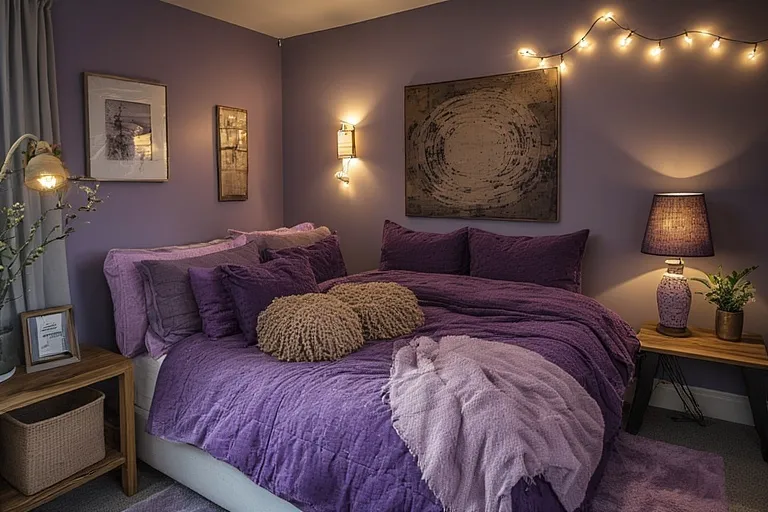
Lighting is essential for a room built around rich shades. Since darker colors absorb light, soft and warm illumination can make the space feel inviting. Ambient lighting helps with overall brightness, while lamps or wall sconces add gentle highlights. Golden or brass fixtures enhance purple tones, giving the space a warm and refined glow.
Layered lighting—such as bedside lamps, floor lamps, and string lights—lets you change the atmosphere based on your needs. Soft lighting enhances the cozy, enveloping qualities of the palette. Slightly brighter lighting brings clarity without disrupting the room’s mood.
Statement Pieces That Elevate the Design
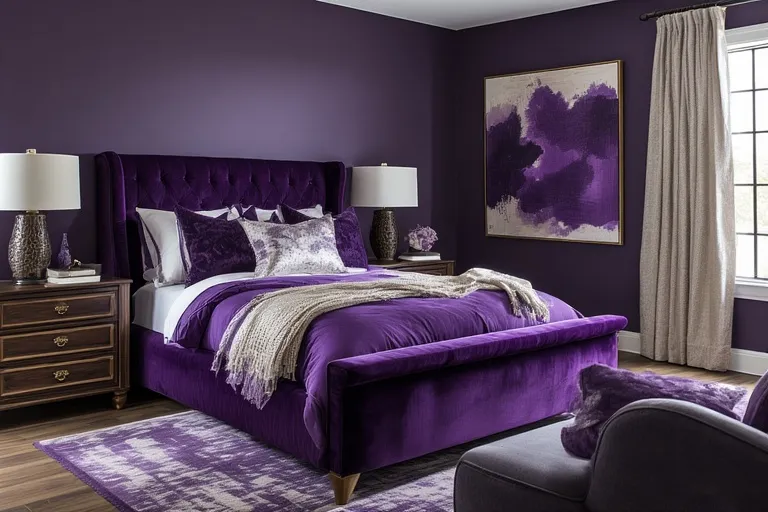
A dramatic color palette pairs beautifully with standout furniture or decor. A velvet-upholstered bed frame, a carved wooden nightstand, or metallic lampshades can become focal points in the room. Dark purples bring out the elegance in gold or copper accents, while soft purples enrich silver or pewter details.
Art also plays a strong role in shaping the room’s personality. Abstract artwork featuring subtle hints of purple ties the room together. A large canvas above the bed or a cluster of framed prints can give the space a curated, thoughtful feel. Decorative pillows, layered bedding, textured rugs, and sculptural vases add dimension without crowding the space.
Designing Around a Moody Purple Bedroom Color Scheme
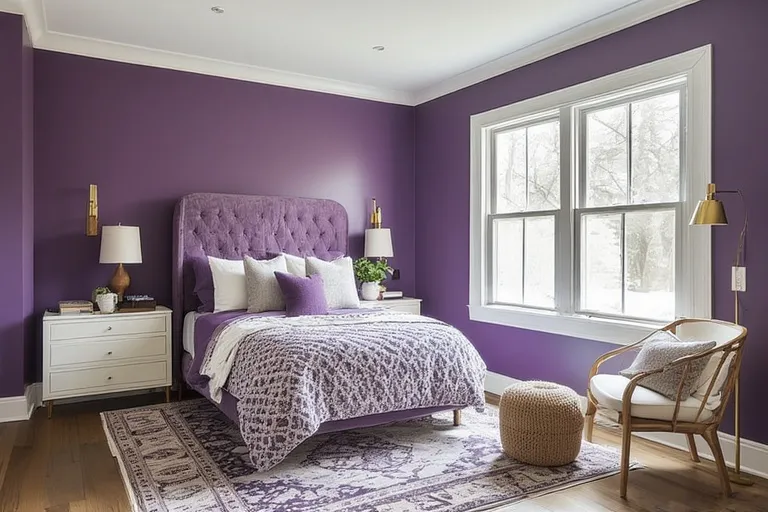
A room built around a deep purple palette benefits from thoughtful layering. Start with foundational pieces such as the bed frame, rugs, and major textiles. Once the essentials are set, bring in accent elements—curtains, throws, cushions, and lighting—that match or complement the central shade. The aim is to keep the palette cohesive, letting each element contribute to the overall atmosphere.
When handling strong colors, balance is key. A single deep purple wall can provide just enough drama while allowing the remaining space to stay open and calm. Add touches of metallics for visual lift, and use natural textures for grounding comfort. Through a balanced mix of shades, materials, and lighting, the room becomes both expressive and restful.
Storage and Practical Layout Choices
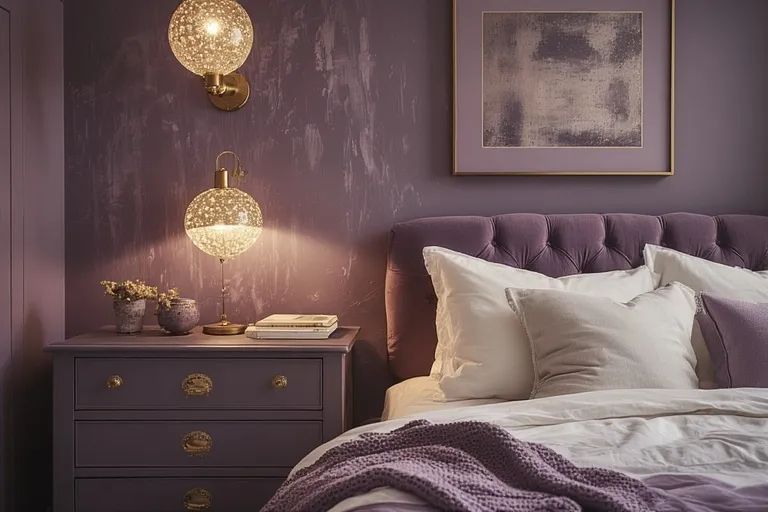
Beyond aesthetics, the room should feel comfortable and functional. Smart storage solutions help maintain a serene environment. Built-in shelves, under-bed drawers, and soft-closing cabinets keep clutter away from sight. A room with fewer distractions supports calmness, allowing the color palette to stand out.
Furniture placement also matters. Leave enough walking space around the bed, avoid blocking natural light, and keep surfaces clean. When everything is placed with intention, the beauty of the design becomes more noticeable.
Adding Personal Touches
Personal elements bring life to the space. Framed photographs, keepsakes, or handmade decor pieces add meaning without disrupting the color harmony. Plants are an excellent addition because their natural greens contrast beautifully with purples. Even a single tall plant or a cluster of small potted greens can lighten the room’s visual weight.
If you enjoy fragrance, scented candles or diffusers create a sensory experience that complements the cozy mood. Soft floral or woody scents blend well with the room’s palette, turning the space into a complete retreat.
Conclusion:
A moody purple bedroom is more than a trend—it’s a design approach that brings depth, elegance, and personal expression into your space. By choosing the right tones, balancing them with textures and neutrals, and adding thoughtful lighting, you can create a room that feels both peaceful and richly expressive. When every detail comes together with intention, the space becomes a sanctuary you’ll look forward to returning to each day.
1. What makes a purple bedroom feel moody and elegant?
Deep shades, warm lighting, and layered textures create a dramatic yet calming atmosphere.
2. Which colors pair best with dark purple tones?
Warm neutrals like beige, taupe, cream, and soft gray balance the richness of purple.
3. How can lighting improve a purple-themed bedroom?
Soft, warm lighting enhances depth and keeps the room inviting.
4. Are natural materials good for a purple color scheme?
Yes, wood, rattan, and woven textures add warmth and grounding contrast.
5. What décor pieces work well in a dark purple bedroom?
Velvet bedding, metallic accents, and abstract artwork elevate the design effortlessly.
One Comment