
Zero-Waste Home Decor: Fun Ways to Make a Difference
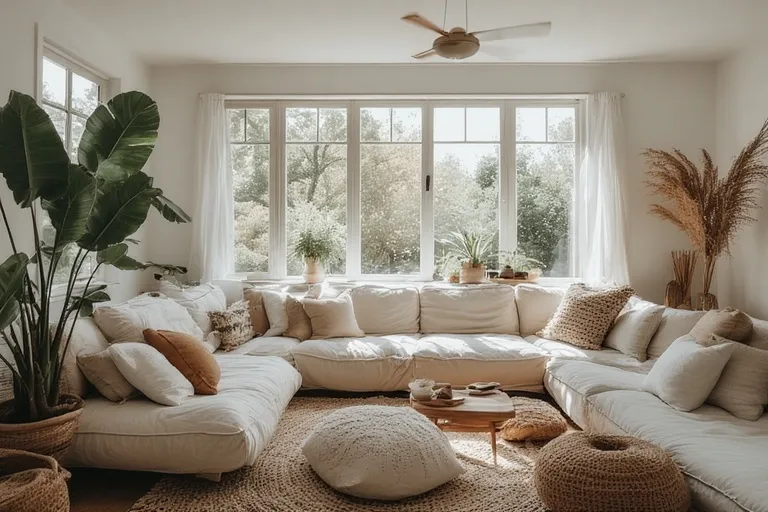
Zero-waste home decor offers a beautiful way to design your space while caring for the planet. Creating a home you love doesn’t mean harming the environment or generating unnecessary waste. This approach focuses on repurposing materials, choosing eco-friendly products, and minimizing your overall footprint. By embracing zero-waste principles, you can build a home that aligns with your values and contributes to a healthier Earth.
Sustainability in home decor is more than a passing trend; it’s a meaningful lifestyle shift. Thoughtful choices in furniture, accessories, and everyday items can significantly reduce long-term waste. Prioritizing durability, quality, and ethically made products ensures your home remains stylish and responsible. With the right mindset, you can enjoy a beautiful interior while supporting environmentally conscious living.
The Principles of Zero-Waste Home Decor
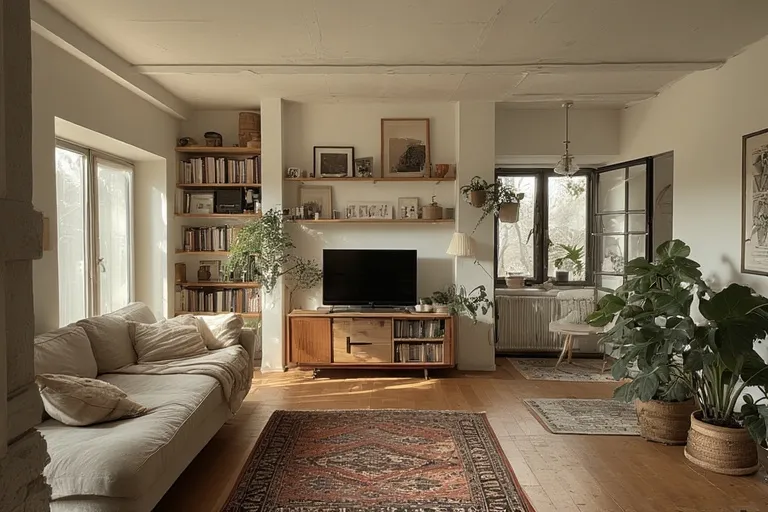
At the heart of a zero-waste decor house is the principle of minimizing unnecessary waste. This involves carefully selecting materials, reusing existing items, and reducing the consumption of disposable or short-lived products. Here are some key concepts that guide this approach:
1. Reduce, Reuse, and Recycle
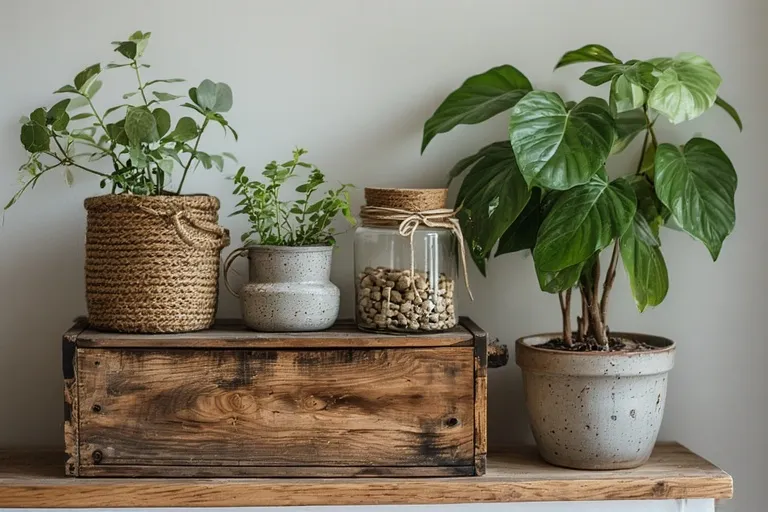
The three Rs—reduce, reuse, and recycle—form the backbone of zero-waste living. When applied to home decor:
- Reduce: Limit purchases to items that are truly needed. Avoid mass-produced, low-quality products that wear out quickly.
- Reuse: Repurpose old furniture, decor, or materials. For example, a wooden crate can become a stylish bookshelf, and old glass jars can be transformed into decorative storage.
- Recycle: Ensure that items that cannot be reused are recycled responsibly, supporting the circular economy.
2. Choosing Sustainable Materials

Material selection is critical for sustainable home decor. Natural, renewable, and biodegradable materials are ideal. Some examples include
- Bamboo: Strong, fast-growing, and versatile for furniture, flooring, and accessories.
- Cork: Renewable and perfect for flooring, wall coverings, or decorative accents.
- Reclaimed Wood: Using salvaged wood for furniture or wall panels reduces demand for new timber.
- Organic Fabrics: Cotton, linen, and hemp provide durable and eco-friendly textile options.
3. Supporting Ethical Brands
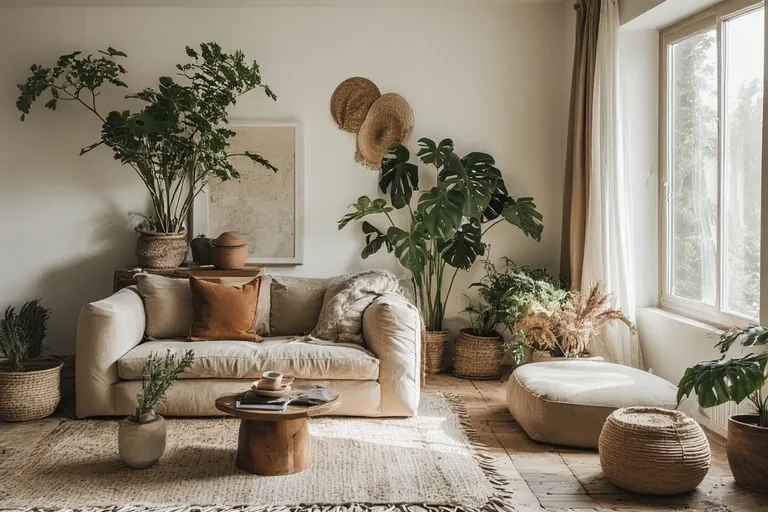
When shopping for home decor, consider brands that prioritize sustainability, ethical production, and fair labor practices. These companies often use recycled materials, produce limited quantities, and ensure safe working conditions for employees. By supporting these brands, consumers can influence the industry toward greener practices. You should look Sustainable Textile Decor
Practical Tips for a Zero-Waste Home
Adopting zero-waste house decor can seem overwhelming at first, but simple, actionable steps make the transition easier. Here are practical ways to implement it in your home:
1. Start with Decluttering

Before bringing new items into your home, assess what you already own. Decluttering helps identify pieces that can be reused, repurposed, or donated. It also prevents unnecessary purchases, reducing overall waste.
2. Choose Multi-Functional Furniture
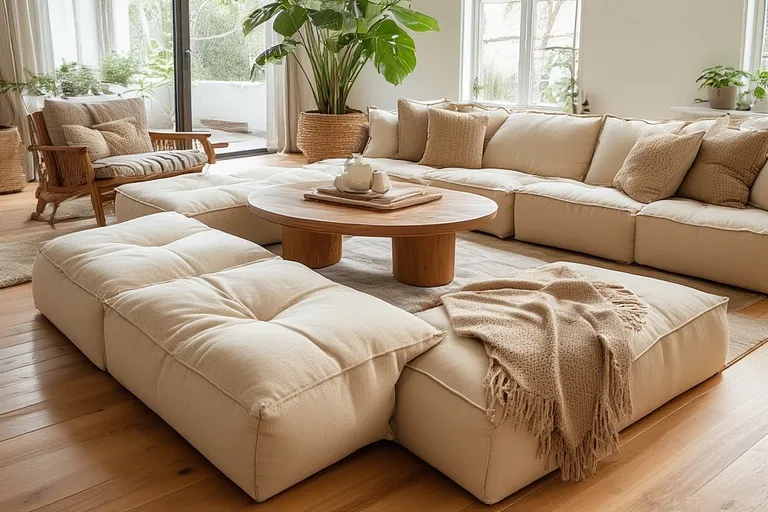
Furniture that serves multiple purposes is both space-saving and sustainable. For instance, a storage ottoman doubles as seating, and a foldable dining table can accommodate varying family needs without excess production.
3. Repurpose Old Items
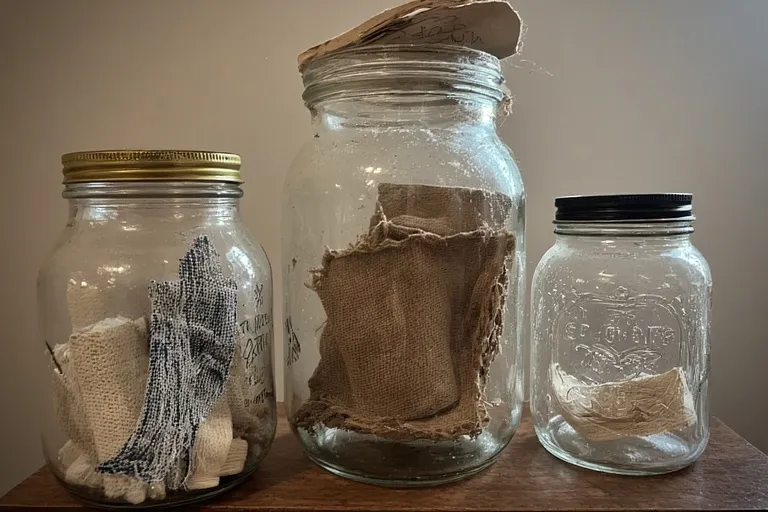
Get creative with items you already have. Vintage jars, old textiles, or unused furniture can be transformed into functional or decorative pieces. This not only saves money but also adds unique, personal touches to your home.
4. Shop Secondhand or Vintage
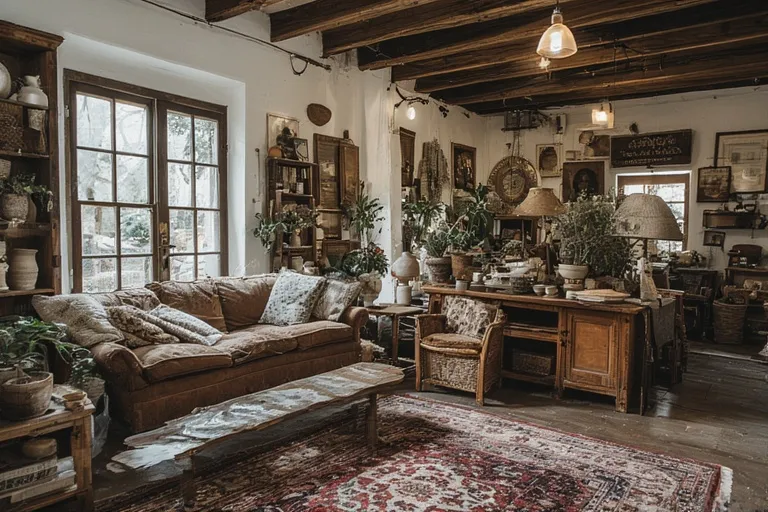
Thrift stores, flea markets, and online marketplaces are treasure troves for sustainable decor. Purchasing secondhand reduces demand for new products and prevents usable items from ending up in landfills.
5. Opt for Minimalist Design
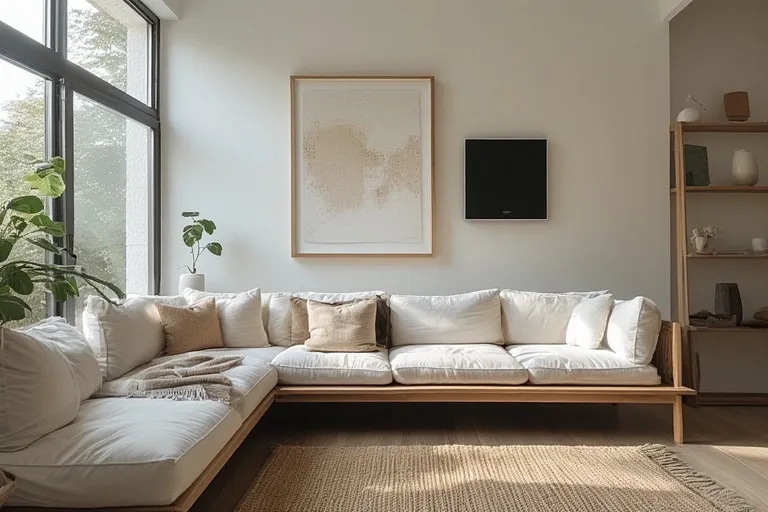
Minimalism naturally aligns with zero-waste principles. By focusing on quality over quantity, you reduce clutter and invest in pieces that last longer. A minimalist home often emphasizes functionality, clean lines, and timeless design.
Eco-Friendly Decor Ideas
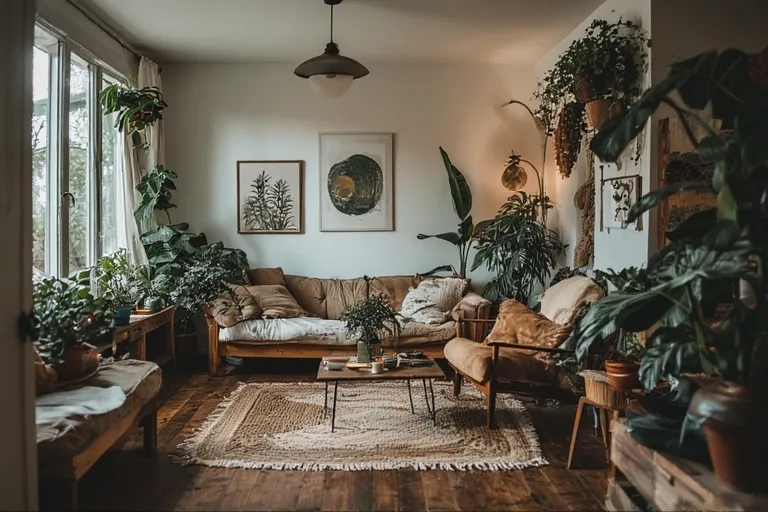
Here are some zero-waste house decor ideas to inspire your interior transformation:
- Glass and Ceramic Storage: Replace plastic containers with reusable glass or ceramic jars. They’re long-lasting, safe, and versatile.
- Natural Fiber Rugs: Wool, jute, and hemp rugs add texture and warmth without synthetic materials.
- Energy-Efficient Lighting: LED lights reduce energy consumption and have a longer lifespan than traditional bulbs.
- Indoor Plants: Not only do plants improve air quality, but they also enhance aesthetics naturally. Use recycled pots or grow them in repurposed containers.
- DIY Wall Art: Create artwork using reclaimed wood, fabric scraps, or pressed flowers for a personal touch.
Incorporating Sustainability into Every Room
Living Room
Use reclaimed furniture, modular sofas, or multi-purpose tables. Choose eco-friendly textiles for cushions and curtains. Incorporate plants to purify the air naturally.
Kitchen
Opt for reusable storage containers, compost bins, and energy-efficient appliances. Wooden utensils, bamboo cutting boards, and cloth napkins replace disposable alternatives.
Bedroom
Select organic bedding and mattresses made from natural materials. Upcycle old furniture for dressers or nightstands. Use soft, biodegradable textiles for blankets and throws.
Bathroom
Replace plastic toiletries with solid alternatives like shampoo bars and bamboo toothbrushes. Use glass containers for storage and refill when possible.
Outdoor Spaces
Patio furniture made from reclaimed wood or recycled metal supports sustainability. Grow your own herbs or flowers to reduce packaging waste and enhance your garden naturally.
Benefits of Zero-Waste House Decor
Adopting zero-waste practices in your home offers both environmental and personal benefits:
- Environmental Impact: Reduces landfill waste, conserves natural resources, and lowers carbon footprint.
- Cost Savings: Reusing and repurposing items saves money over time.
- Healthier Living: Organic materials and natural products improve indoor air quality and reduce exposure to chemicals.
- Aesthetic Appeal: Unique, handmade, and thoughtfully selected items give your home character and charm.
Conclusion
Zero-waste home decor is more than a design trend; it’s a commitment to mindful living and environmental responsibility. By carefully selecting materials, repurposing existing items, and supporting ethical brands, homeowners can create beautiful, functional spaces that reflect their values. Incorporating these sustainable practices not only enhances your home aesthetically but also contributes to a healthier planet for future generations. Adopting zero-waste house decor allows you to enjoy the beauty of your space while making a positive impact on the environment.
What is zero-waste home decor?
A sustainable approach to decorating that reduces waste and reuses materials.
Why choose recycled materials for home decor?
They minimize environmental impact and give unique, durable pieces.
Can zero-waste decor be stylish?
Yes, it combines sustainability with modern, timeless design.
How do I start a zero-waste home?
Begin by decluttering, repurposing items, and choosing eco-friendly products.
Are secondhand items suitable for zero-waste decor?
Absolutely, they reduce waste and often add character to your home.
One Comment