
Winter Wonderland Aesthetic: Magical Holiday Vibes
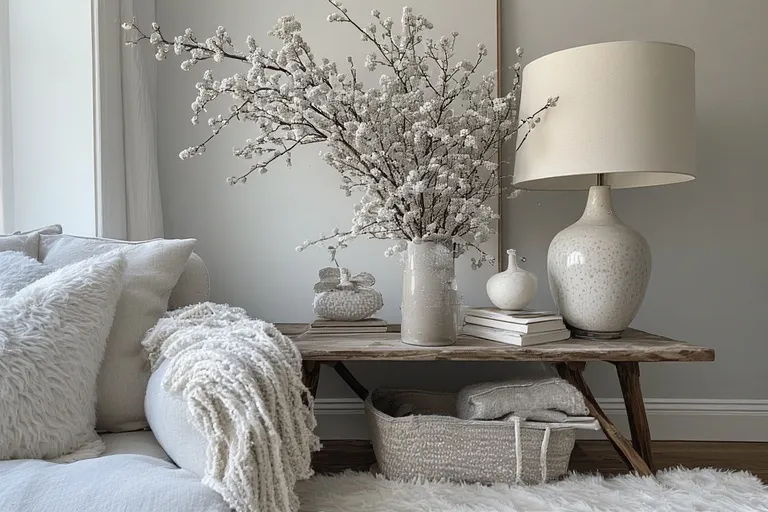
The winter wonderland aesthetic transforms cold weather into a visual story of calm, charm, and refined beauty. This style draws inspiration from snowy landscapes, frosted textures, and soft winter light to create spaces that feel peaceful and inviting. It blends cool tones with gentle warmth, balancing elegance and comfort in equal measure. Interiors shaped by this look often feel airy, clean, and thoughtfully layered.
The winter wonderland relies on decorative choices that reflect nature through whites, silvers, soft blues, and subtle sparkle. Textiles play a strong role by adding depth through knits, faux fur, and woven fabrics. Lighting remains soft and diffused, echoing the cozy glow of winter evenings. This aesthetic celebrates the season by turning simplicity into something visually memorable.
Origins and Seasonal Inspiration
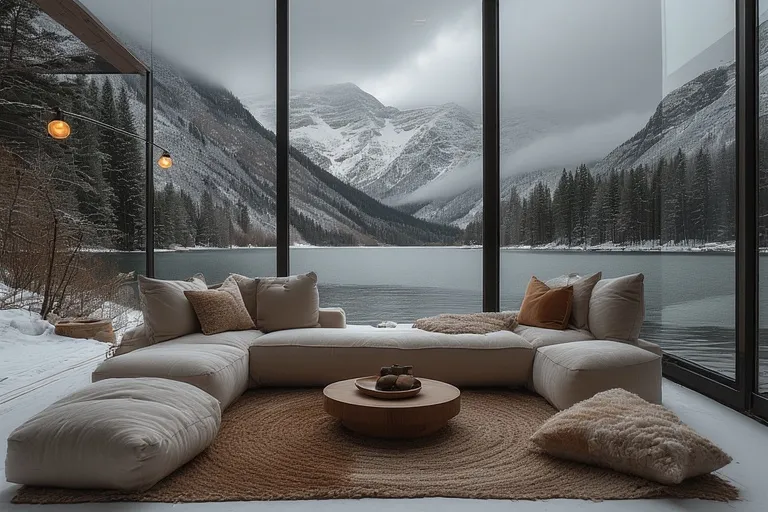
The winter-inspired decorative movement has roots in Nordic design, alpine retreats, and classic holiday imagery. Snow-covered forests, frozen lakes, and quiet mountain cabins have long influenced interior styling during colder months. These natural scenes encourage restraint, balance, and harmony rather than excess.
Scandinavian traditions contribute minimal layouts, pale palettes, and functional beauty. Alpine elements add warmth through wood, layered fabrics, and rustic accents. Over time, designers refined these ideas into a cohesive seasonal look that feels both modern and timeless.
Cultural celebrations also shaped this aesthetic. Winter festivals, candle rituals, and seasonal gatherings introduced glowing lights, reflective surfaces, and comforting textures. As homes became spaces for rest during shorter days, décor evolved to support emotional comfort.
The aesthetic now extends beyond holidays, offering a full-season approach that lasts throughout winter. You have to see Holiday Drink Recipes
Color Palette and Visual Balance
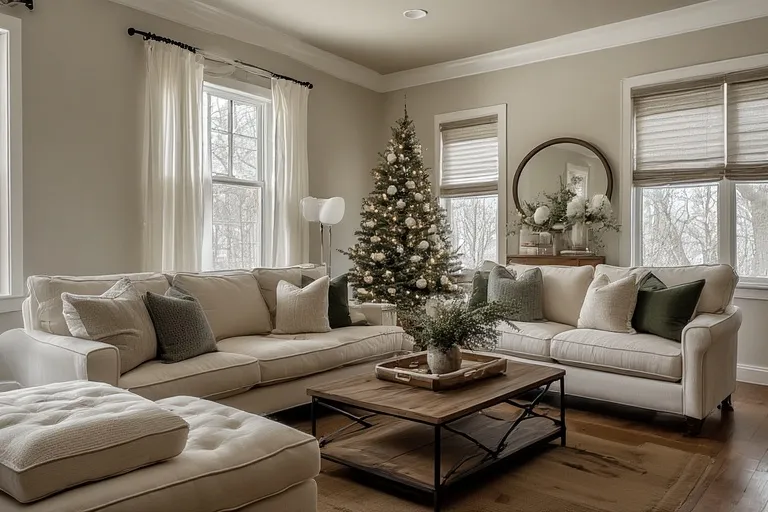
Color defines the mood of winter styling. Whites form the foundation, ranging from crisp snow tones to creamy ivory shades. Soft blues and pale grays add cool depth without feeling harsh. Silver accents bring subtle shine, reflecting light gently across rooms. Muted greens inspired by pine branches introduce a natural note that keeps the palette grounded.
Balance remains essential. Too much white can feel stark, while excessive metallics may overwhelm the calm atmosphere. Designers often layer shades gradually, allowing transitions between cool and warm elements. Beige, taupe, and light wood tones soften the overall look, creating harmony across surfaces.
Textures and Fabric Choices
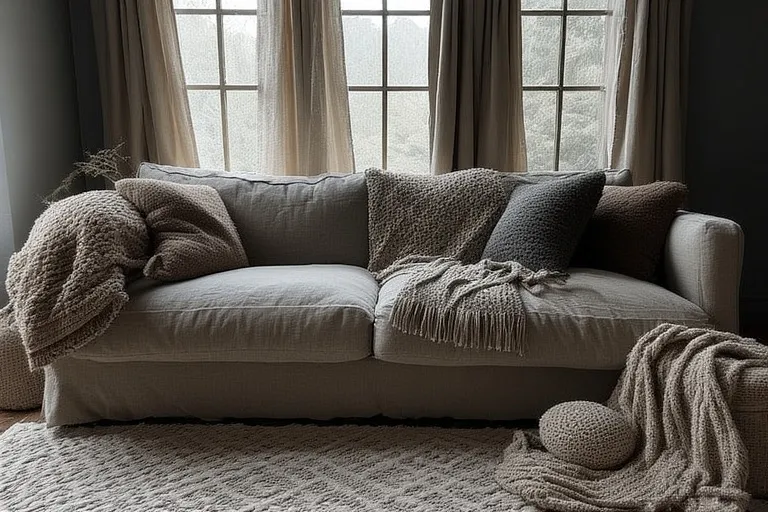
Texture is central to this aesthetic, replacing bold color with tactile interest. Knitted throws, wool blankets, and faux fur cushions add softness and warmth. Linen and cotton maintain breathability while supporting a relaxed visual flow. Velvet introduces quiet luxury through depth and sheen.
Layering fabrics creates dimension without clutter. A smooth sofa paired with a chunky knit blanket offers contrast. Area rugs with subtle patterns ground furniture while adding comfort underfoot. Curtains in sheer or lightly woven materials allow natural light to filter through, preserving brightness during darker days.
Furniture and Spatial Layout
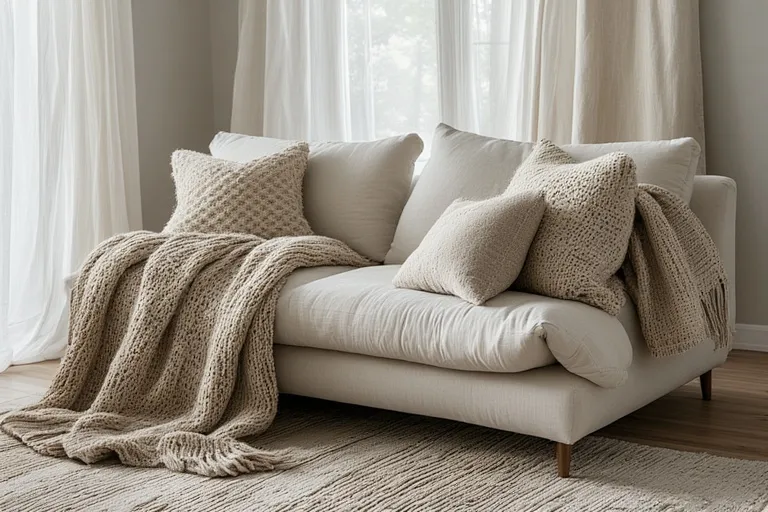
Furniture choices favor clean lines and functional forms. Bulky designs feel out of place within this refined style. Instead, slim profiles and open arrangements allow rooms to breathe. Neutral upholstery supports flexibility, making seasonal updates simple.
Natural materials enhance authenticity. Light wood tables, stone accents, and ceramic pieces echo outdoor landscapes. Furniture placement encourages connection and calm, often centered around shared spaces such as seating areas or dining tables. Open layouts help light move freely, enhancing the airy quality associated with winter décor.
Decorative Accents and Details
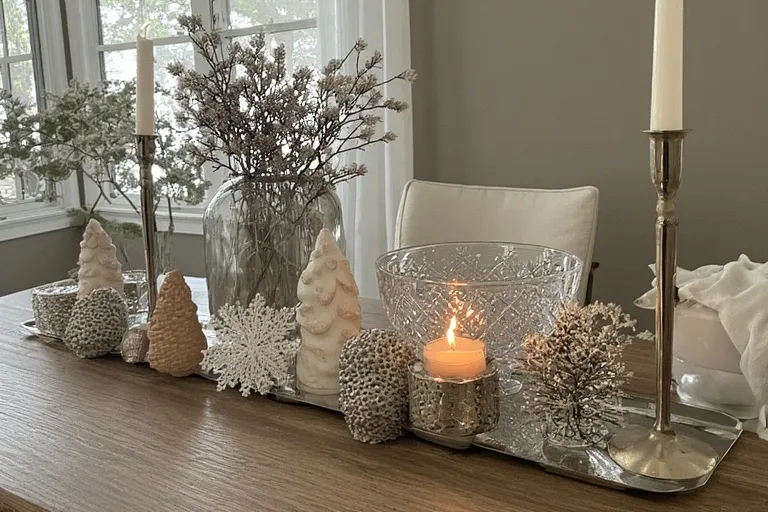
Accessories provide personality without overpowering the space. Glass vases, crystal bowls, and mirrored trays reflect light softly. Ceramic ornaments shaped like snowflakes, trees, or simple geometric forms add subtle seasonal cues. Metallic candle holders introduce elegance while supporting ambient lighting.
Greenery remains important even during winter. Pine branches, eucalyptus stems, and dried florals bring life indoors. These elements connect interiors to nature while maintaining seasonal relevance. Decorative restraint ensures each piece feels intentional rather than excessive.
Lighting Techniques for Winter Ambience
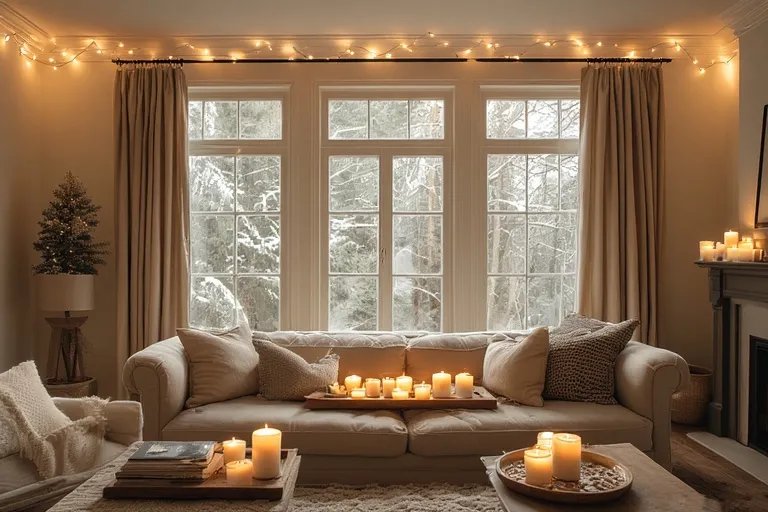
Lighting defines the emotional tone of winter spaces. Natural daylight is maximized through uncluttered windows and reflective surfaces. During evenings, layered lighting replaces harsh overhead fixtures. Table lamps, floor lamps, and wall sconces create gentle pools of light.
Candles play a significant role, offering warmth and movement. Grouped candles on trays or mantels enhance visual interest. String lights with warm hues add subtle sparkle without appearing festive. Lighting choices aim to comfort the senses while supporting relaxation.
Seasonal Styling for Living Spaces
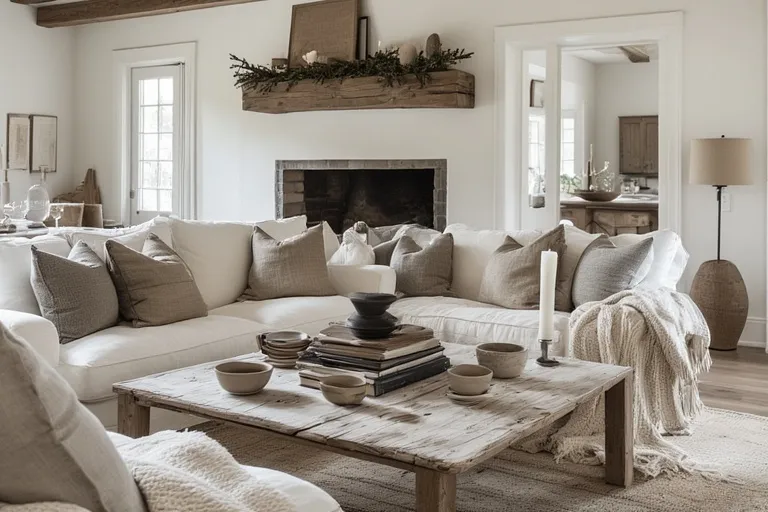
Living rooms often serve as the heart of winter décor. Sofas dressed in layered cushions invite rest and conversation. Coffee tables display simple arrangements, such as stacked books paired with candles or small sculptures. Fireplaces, real or styled, act as focal points, enhanced with minimal garlands or candles.
Dining areas follow similar principles. Table settings emphasize simplicity through neutral linens, ceramic dinnerware, and understated centerpieces. Glassware with a soft shine complements the overall palette. Chairs layered with light throws add comfort during extended meals and gatherings.
Bedroom Design and Restful Atmosphere
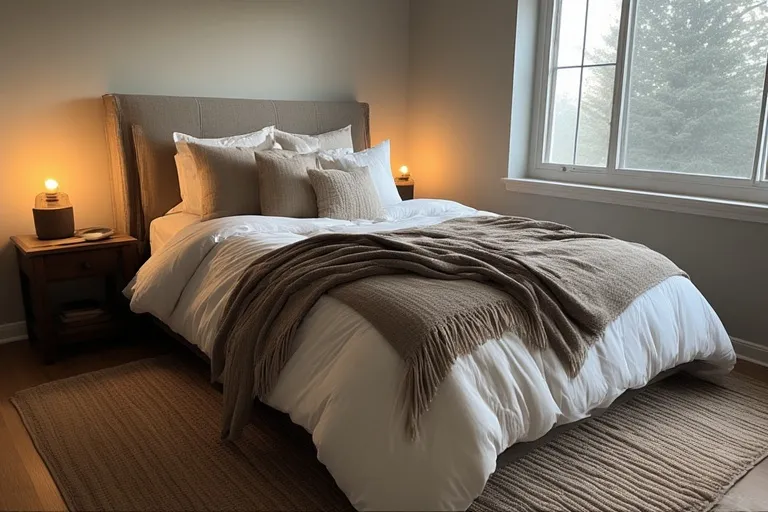
Bedrooms benefit greatly from winter-inspired styling. Bedding becomes the focal point, layered with duvets, quilts, and textured pillows. Neutral sheets create a calm base, while heavier blankets add warmth. Headboards in fabric or wood contribute softness and structure.
Bedside décor remains minimal to promote rest. Lamps with warm bulbs support evening routines. Rugs placed beside the bed provide comfort during cold mornings. The goal is a space that feels serene, cocooning occupants in comfort throughout the season.
Incorporating the Style in Small Spaces
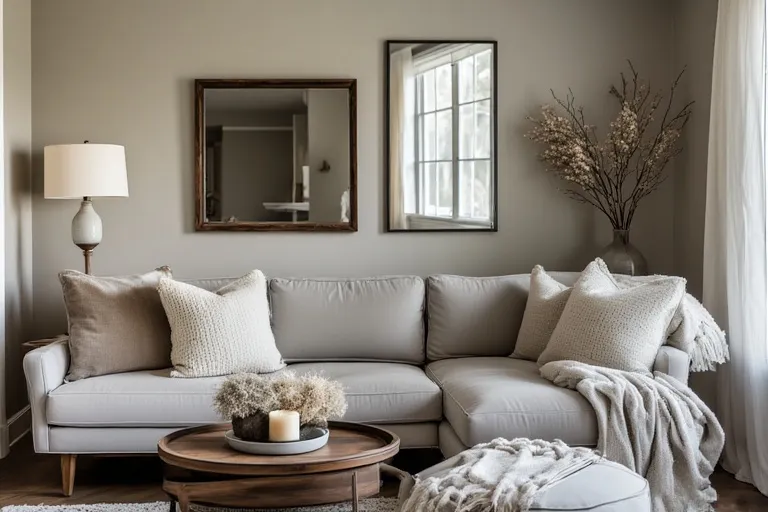
Apartments and compact rooms can embrace winter décor without feeling crowded. Light colors visually expand limited areas. Mirrors reflect both light and space, enhancing openness. Multi-functional furniture supports practicality while maintaining style.
Selective decoration prevents clutter. A single textured throw, a small arrangement of candles, or a simple centerpiece can communicate the seasonal theme effectively. Thoughtful choices ensure even small interiors feel intentional and welcoming.
Sustainable and Timeless Choices
Sustainability aligns naturally with this aesthetic. Neutral palettes and quality materials encourage reuse year after year. Investing in durable textiles and classic décor reduces waste. Natural fibers and locally sourced elements support environmental responsibility.
Timeless design avoids trends that fade quickly. By focusing on balance, texture, and light, winter décor remains relevant across seasons. Items transition easily into early spring through minor adjustments, extending their lifespan.
Winter wonderland aesthetic in Modern Homes
The winter wonderland adapts well to contemporary interiors, blending clean architecture with seasonal softness. Modern homes often feature open plans and large windows, providing an ideal backdrop for light-focused décor. Minimalist foundations allow winter textures and accents to stand out without conflict. This adaptability makes the style suitable for urban apartments, suburban houses, and rural retreats alike.
Conclusion
The winter wonderland aesthetic offers a refined approach to seasonal décor that emphasizes calm, comfort, and visual harmony. Through balanced color palettes, layered textures, and thoughtful lighting, interiors become soothing winter retreats. This style supports both beauty and function, creating spaces that feel inviting during colder months. By focusing on timeless materials and restrained decoration, the look remains relevant beyond a single season. Homes styled with this approach reflect nature, simplicity, and warmth in equal measure.
What is the winter wonderland aesthetic?
The winter wonderland aesthetic is a style that emphasizes snowy, cozy, and magical winter-inspired visuals and décor.
How can I decorate my home in a Winter wonderland aesthetic?
You can use white, silver, and icy blue accents, fairy lights, and snow-themed décor for a dreamy winter vibe.
Which colors define the Winter wonderland aesthetic?
The aesthetic primarily uses white, icy blue, silver, and soft neutrals to create a frosty, magical ambiance.
Can fashion reflect the Winter wonderland aesthetic?
Yes, wearing cozy knits, soft scarves, faux fur, and pastel winter colors aligns with this aesthetic.
How do I create a Winter wonderland aesthetic for photos?
Use snowy backgrounds, soft lighting, and white or blue props to capture a dreamy, wintry atmosphere.
One Comment