
DIY Christmas Wreath: Eye-Catching Ideas to Try Now
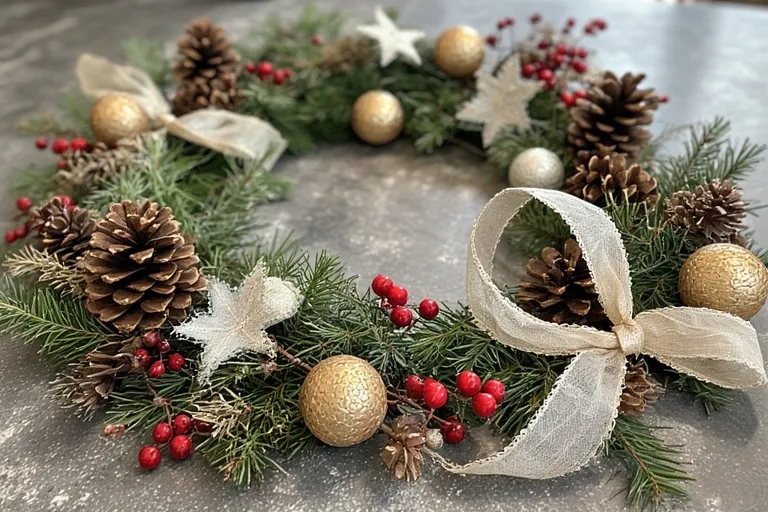
DIY Christmas wreath projects bring charm and personality to holiday decorations. Creating a wreath allows you to combine natural elements, ornaments, and textures to reflect your style while welcoming guests with festive cheer. Seasonal greenery, pinecones, ribbons, and berries can transform a simple circular frame into a stunning centerpiece for doors or walls. With careful planning, a Christmas wreath can match any home decor theme, from rustic farmhouse to elegant modern.
Crafting your own wreath also offers a satisfying creative experience, perfect for family activities or personal relaxation. Budget-friendly options make it accessible for everyone, and using recycled or natural materials adds a sustainable touch. Attention to detail, such as balancing colors and textures, ensures your wreath stands out. This guide explores methods, tips, and inspiration to craft a memorable Christmas wreath that impresses all who see it.
Choosing the Base for Your DIY Christmas Wreath
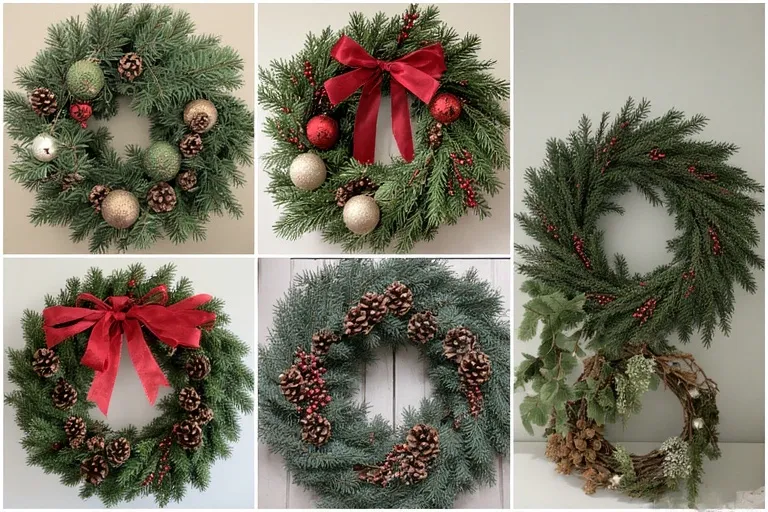
Selecting the proper base is essential for building a durable and visually appealing wreath. Wire frames, foam rings, grapevine bases, and straw circles provide different textures and support levels. Wire frames are lightweight and ideal for attaching ornaments with hooks or floral wire. Foam rings allow secure placement of pins, berries, and ribbons. Grapevine bases offer a natural, rustic look and work well with pinecones and dried flowers. Straw circles provide a traditional foundation for woven or wrapped decorations. Consider the wreath’s intended location, as heavier materials may require sturdy hanging solutions. Choosing a base that complements your style sets the stage for a cohesive finished design. You have to visit DIY Christmas Centerpieces
Selecting Greenery and Foliage
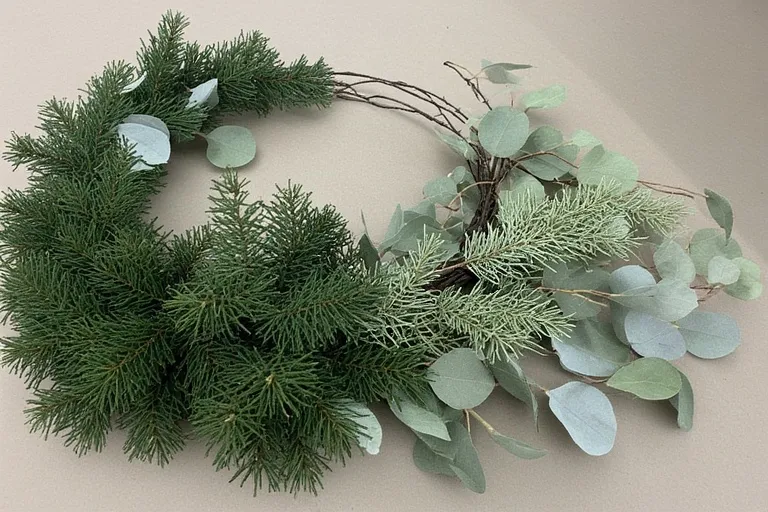
Greenery forms the backbone of a Christmas wreath, adding texture, fragrance, and seasonal authenticity. Fresh pine, fir, cedar, and holly are classic options that provide rich color and natural scent. Artificial greenery works well for long-lasting displays and allows prearranged designs. Mixing different foliage types creates depth and visual interest. Adding eucalyptus or magnolia leaves introduces unique tones and textures. Trim stems to fit the base and layer pieces in overlapping patterns for fullness. Ensure foliage is evenly distributed around the wreath for balance. Combining colors and textures enhances the overall aesthetic and prevents a flat appearance.
Incorporating Decorative Elements
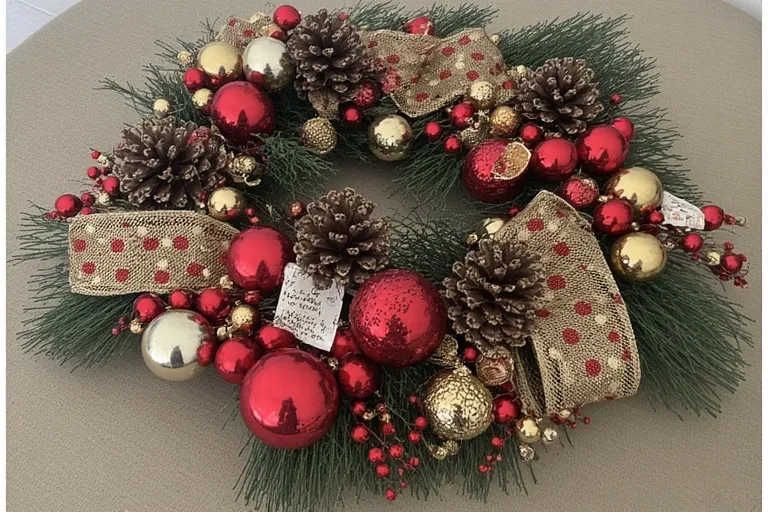
Ornaments, ribbons, and embellishments elevate a Christmas wreath from simple greenery to a festive focal point. Classic red and gold baubles add elegance, while miniature ornaments introduce playful charm. Pinecones, berries, and dried citrus slices create rustic appeal. Ribbons, bows, and fabric strips provide movement and softness. Consider symmetry and balance when arranging decorations to maintain a professional look. Hot glue, floral wire, or pins secure embellishments firmly. Layering elements thoughtfully ensures each piece contributes to the overall design without overwhelming the wreath. Personal touches, such as small figurines or family mementos, can make the wreath truly unique.
Ribbon and Bow Techniques

Ribbons and bows transform a wreath by adding color, texture, and visual flow. Wide wired ribbons allow full, structured bows that hold shape over time. Layering ribbons in different textures creates dimension and richness. Techniques like looping, cascading, or folding can change the style from modern to traditional. Placement is crucial; center-top, center-bottom, or side bows each create different focal points. Secure ribbons with floral wire or hot glue to prevent slippage. Small accent bows can be added around the wreath to enhance cohesion. Ribbon ends can be cut in diagonal, fishtail, or curled styles for variety. Choosing ribbon colors that complement other decorative elements enhances harmony.
Using Natural Elements
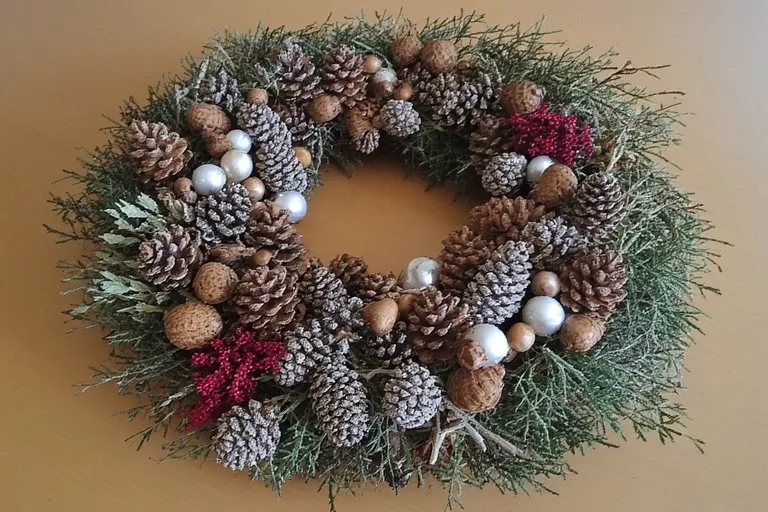
Incorporating natural elements like pinecones, nuts, and dried flowers adds authenticity and charm to a Christmas wreath. Pinecones can be left natural, painted, or glittered for visual interest. Acorns and small branches add texture and organic appeal. Dried flowers or herbs contribute subtle fragrance and seasonal color. Secure natural elements using floral wire, hot glue, or twine. Mixing materials of varying sizes creates depth and complexity. Natural additions pair well with ribbons, ornaments, and lights. Using locally sourced items supports sustainability and emphasizes the handmade quality of the wreath. Proper arrangement ensures elements are visible from all angles.
Adding Lights
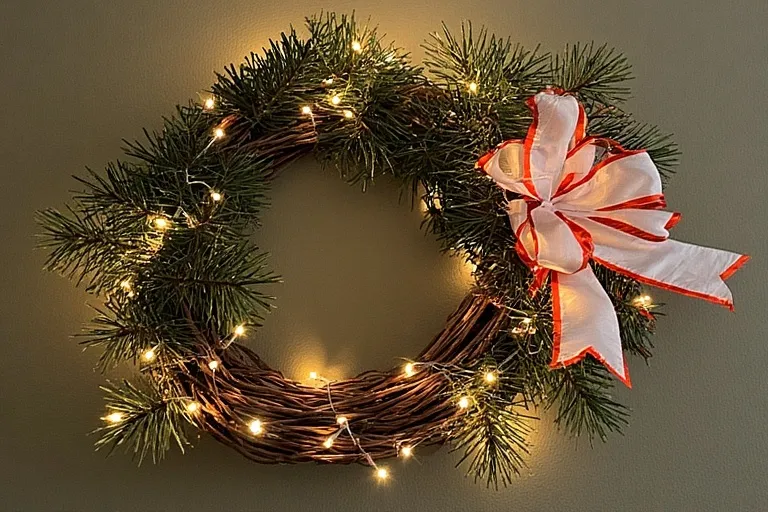
String lights can enhance the festive atmosphere of a Christmas wreath. Battery-operated LED lights are safe, energy-efficient, and easy to conceal within foliage. Warm white lights create a classic, cozy look, while colored lights add playfulness. Position lights evenly around the wreath, securing them with floral wire or twist ties. Ensure battery packs or plugs are accessible for easy operation. Lights can highlight ornaments, ribbons, or natural elements, creating visual focal points. Twinkling or steady settings provide versatility for different moods. Light integration elevates the wreath’s appeal, especially during evening gatherings.
Creative Themes and Styles

Custom themes give a Christmas wreath personality and coordinate with overall holiday decor. Rustic wreaths use natural foliage, pinecones, burlap ribbons, and wooden accents. Modern wreaths feature minimalist designs, metallic ornaments, and geometric shapes. Traditional wreaths incorporate red and green elements, berries, and plaid ribbons. Coastal themes use shells, driftwood, and soft blues for a beach-inspired look. Whimsical styles include colorful ornaments, miniature toys, or handmade charms. Seasonal themes like winter wonderland with snow spray and frosted pinecones create a magical effect. Combining multiple influences produces unique, signature wreaths. Consistency in color palette, texture, and decoration strengthens the theme.
Maintenance and Longevity
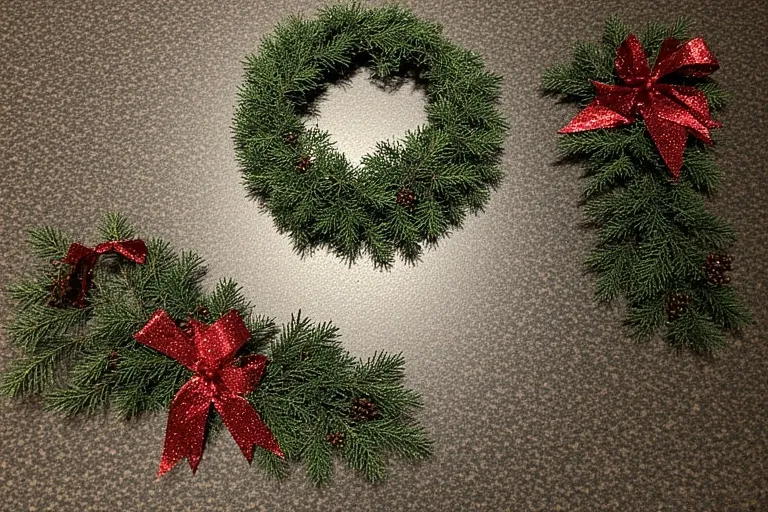
Proper care ensures a Christmas wreath remains attractive throughout the season. Fresh foliage should be misted lightly to maintain moisture and prevent browning. Keep the wreath away from direct heat sources or sunlight to avoid drying. Artificial wreaths benefit from occasional dusting and careful storage for reuse. Secure decorations firmly to prevent elements from falling. Inspect lights and batteries regularly to ensure proper function. If wreaths are displayed outdoors, consider protective sprays or coverings against rain, wind, and frost. Storing the wreath in a sturdy box with tissue paper preserves its shape and decorations for future use.
Hanging and Display Tips
Placement and hanging methods impact both aesthetics and safety. Entry doors, windows, walls, or mantels are common display areas. Use wreath hangers, hooks, or strong ribbon loops to secure the weight. Ensure surfaces are clean and smooth to prevent damage. Adjust the wreath for level positioning and proper viewing angle. Outdoor displays may require additional reinforcement or weather-resistant materials. Consider sightlines from multiple directions to achieve visual balance. Complementing wreath placement with other holiday decor, such as garlands or lights, enhances overall presentation. Proper display emphasizes craftsmanship and ensures enjoyment throughout the season.
Christmas Wreath for Gifts
Handmade wreaths make thoughtful, personalized gifts for friends and family. Selecting elements that match the recipient’s style adds special meaning. Include a mix of traditional and unique decorations to create a memorable design. Package carefully in protective wrapping or boxes to prevent damage. Attach care instructions for fresh foliage or lights to guide recipients. Adding a small note or ribbon tag enhances the personal touch. Gifting wreaths encourages festive spirit and demonstrates creativity. Well-crafted wreaths often become cherished seasonal traditions for recipients.
Conclusion
Creating a DIY Christmas wreath transforms seasonal decorations into a personal statement of style and creativity. From selecting the base and greenery to adding lights, ribbons, and natural elements, each step contributes to a beautiful, memorable centerpiece. Maintaining balance, color harmony, and placement ensures the wreath makes a strong visual impact. Whether for home decor, outdoor display, or gifting, a handmade wreath adds warmth and personality to the holiday season.
Crafting a Christmas wreath encourages artistic expression, family involvement, and lasting enjoyment throughout the festive period. With careful planning and attention to detail, the wreath becomes more than a decoration—it embodies holiday spirit and celebration.
What is a DIY Christmas wreath?
A handmade wreath decorated with greenery, ribbons, ornaments, and lights for the holiday season.
Which materials are best for a wreath base?
Wire frames, foam rings, grapevine bases, and straw circles work well.
Can I use artificial greenery?
Yes, it lasts longer and allows prearranged designs.
How do I secure decorations on a wreath?
Use floral wire, hot glue, or pins to attach ornaments and ribbons.
How can I make my wreath last longer?
Mist fresh foliage lightly and avoid direct sunlight or heat.
One Comment