
Bedroom Accent Wall Ideas For a Luxurious Feel
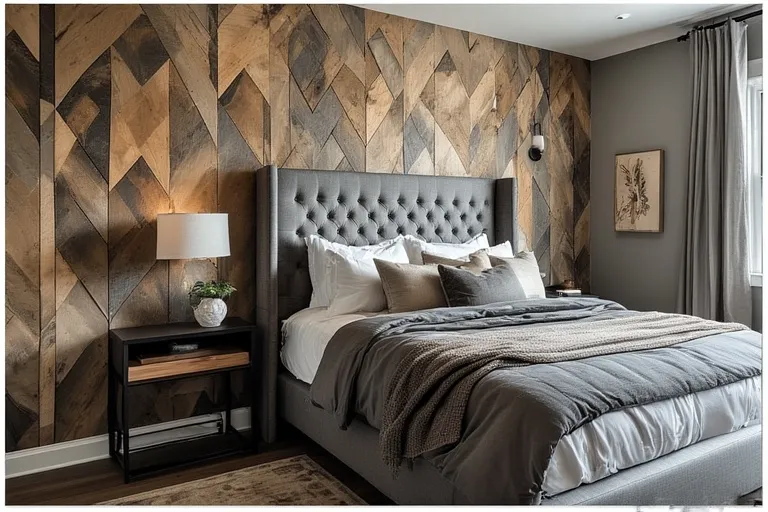
Bedroom accent wall ideas are a simple yet powerful way to transform your personal retreat. A well-chosen accent wall adds depth, color, and texture, instantly enhancing the room’s atmosphere. Whether your style is modern, rustic, or eclectic, an accent wall can become the focal point that reflects your personality. With creative design choices, even a small wall can make a big statement.
The key to a successful bedroom accent wall lies in balance and coordination. Consider using bold paint colors, patterned wallpaper, or textured panels to create visual interest. Complement the wall with carefully selected furniture, lighting, and decor for a cohesive look. Every element should work together to make your space feel inviting and harmonious.
The Role of an Accent Wall in Bedroom Design
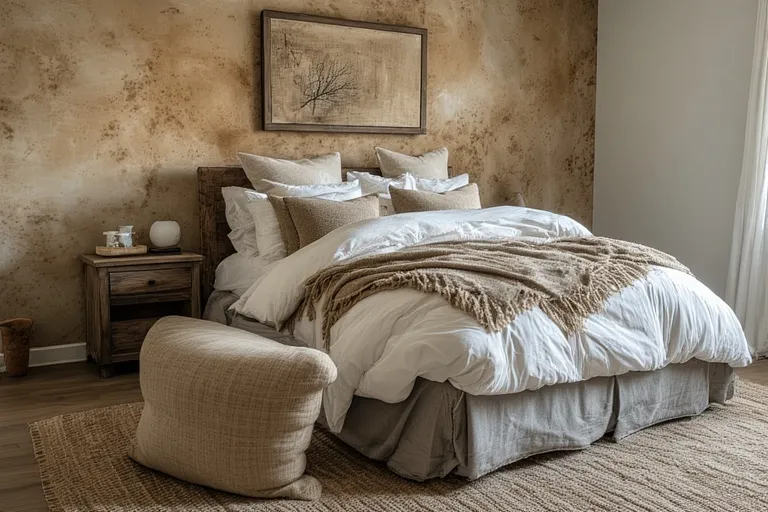
An accent wall serves as the visual focal point of your room, instantly drawing attention and setting the tone for the entire design. Whether your style leans toward cozy minimalism, rustic charm, or bold modern flair, an accent wall gives you the creative freedom to express it without overwhelming the space. It’s a design detail that can subtly influence how spacious, warm, or elegant a bedroom feels.
Selecting the right wall for your accent is the first step. Usually, the wall behind the bed works best because it naturally anchors the room and complements your headboard or artwork. Once the wall is chosen, you can start exploring colors, patterns, and textures that bring balance to your existing décor.
Color-Driven Designs
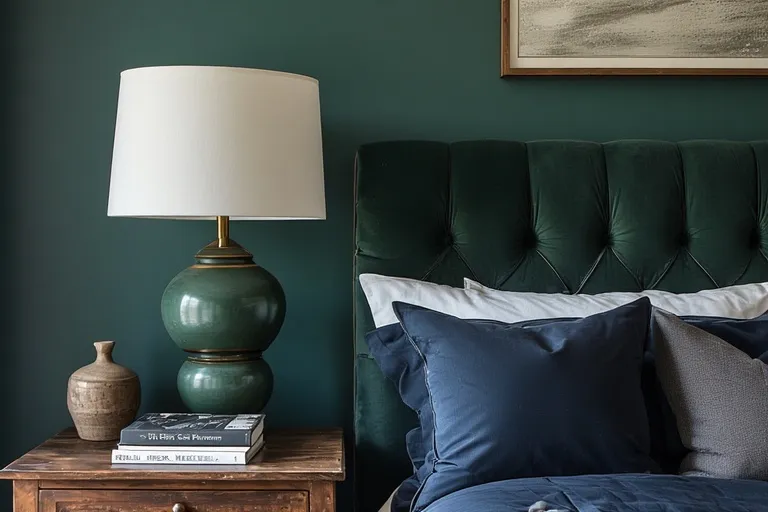
Color is the simplest yet most powerful way to define an accent wall.
- Deep shades for drama: Navy, charcoal, or forest green create an intimate, cozy feeling while adding a hint of luxury.
- Soft tones for calm: Pastel blues, muted greens, or creamy taupes enhance light and make small rooms feel open.
- Bold contrast: A black or burgundy wall can make neutral furniture pop and create a sophisticated statement.
When choosing a color, consider the lighting in your room. Natural daylight makes colors appear lighter, while warm artificial light enhances richness. The key is to ensure harmony between your accent wall and the rest of your décor elements — bedding, curtains, and flooring.
Texture and Material Ideas
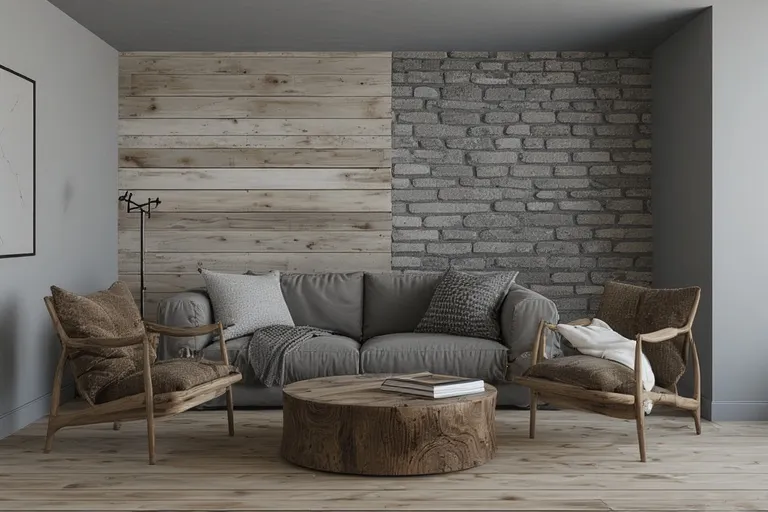
An accent wall doesn’t have to rely on paint alone. Incorporating textures or materials can introduce dimension and tactile appeal.
- Wood paneling: Reclaimed wood or shiplap boards bring warmth and a rustic charm. It’s perfect for farmhouse or cottage-inspired interiors.
- Stone or brick: Natural stone or exposed brick adds earthy tones and character, ideal for industrial or modern spaces.
- Wallpaper magic: From botanical patterns to geometric prints, wallpaper offers limitless creativity. A subtle design can feel sophisticated, while a bold print adds playful energy.
- Fabric or upholstered walls: Soft padded panels can turn a bedroom into a serene sanctuary, offering both comfort and luxury.
Each texture interacts differently with light, creating shadows and depth that enrich the room’s overall mood.
Lighting That Complements the Accent Wall
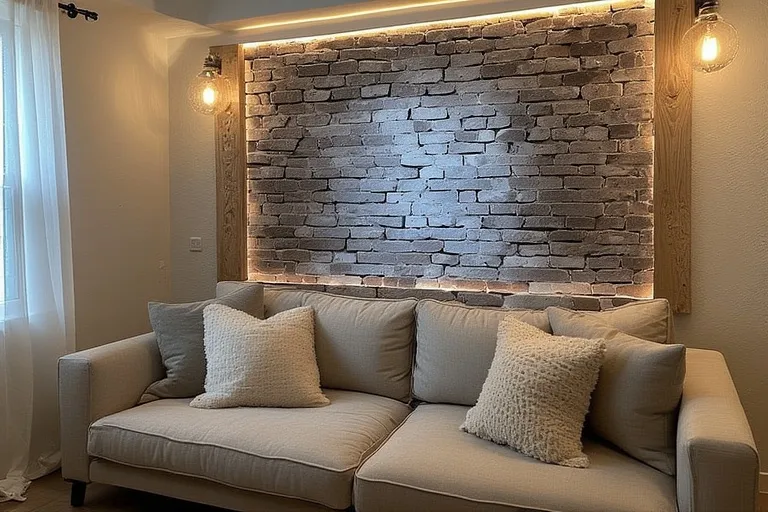
Lighting can make or break the effect of your accent wall. Soft, layered lighting draws attention to the wall while enhancing its details.
- Wall sconces or pendant lights highlight textures like brick or wood.
- LED strips can subtly frame the wall or illuminate architectural niches.
- Warm-toned bulbs help maintain a relaxing, cozy atmosphere.
If your wall features artwork or a gallery display, directed spotlights add drama while showcasing your collection beautifully.
Creative Paint Techniques
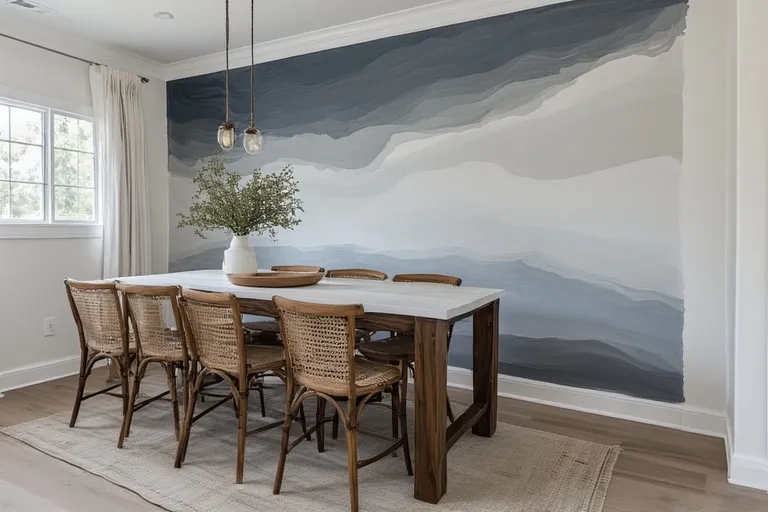
Paint is a budget-friendly way to play with style. Instead of a solid color, consider techniques that bring personality:
- Ombre gradients transition from dark to light shades for a soothing flow.
- Two-tone walls divide the surface horizontally or vertically, adding structure and visual interest.
- Geometric designs with clean lines introduce modern energy without the need for heavy décor.
- Textured paint or metallic finishes add subtle shimmer and sophistication.
These techniques are especially useful in smaller rooms where you want to add dimension without clutter.
Bedroom Accent Wall Ideas for Different Styles
Here’s where creativity shines — adapting the accent wall to your personal style.
1. Modern Minimalist

Opt for a single muted tone like taupe, beige, or sage green. Pair it with sleek furniture, neutral linens, and a few art pieces with clean lines. The simplicity makes the room feel calm and uncluttered.
2. Bohemian Warmth

Combine earthy colors with rattan furniture, woven textures, and eclectic wall décor. Try a clay, mustard, or terracotta hue for your accent wall. It grounds the room while adding an inviting, lived-in charm.
3. Industrial Edge
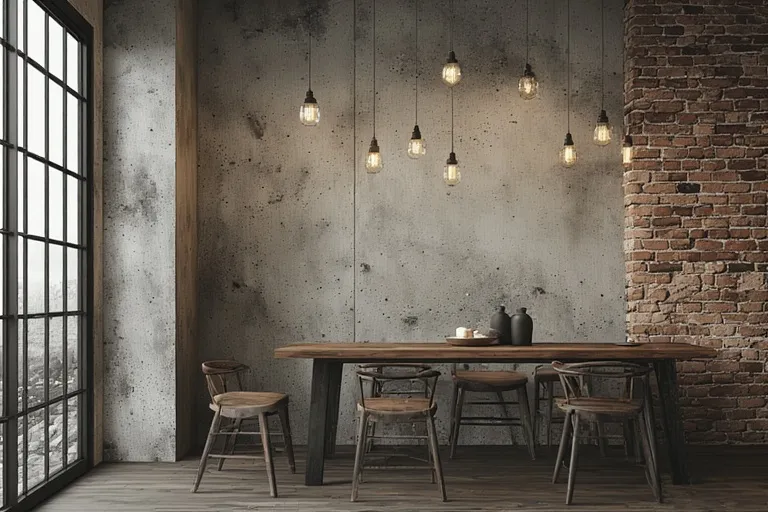
Go for a raw concrete or faux brick wall paired with dark metals and vintage lighting. Keep the rest of the palette neutral — gray, white, and brown tones blend perfectly with industrial materials.
4. Scandinavian Serenity
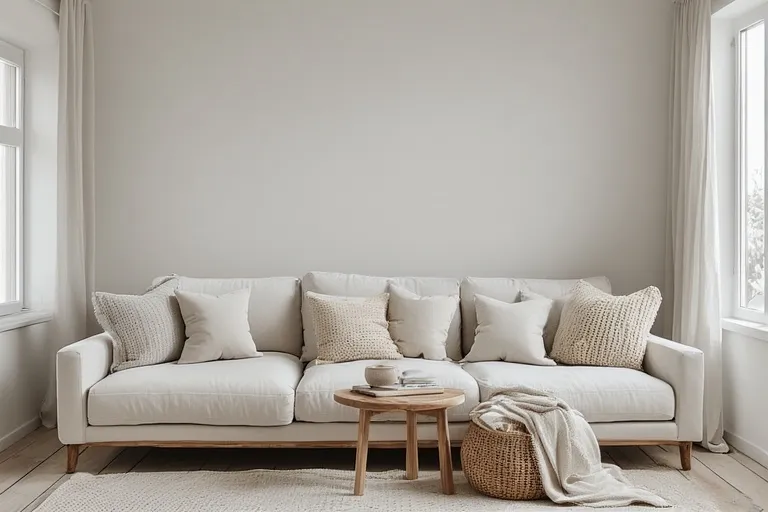
Light woods, crisp whites, and soft pastel accents define Scandinavian style. A pale gray or light oak wall enhances the airy, peaceful feeling central to this design.
5. Glamorous Luxe

Choose deep jewel tones like emerald, plum, or midnight blue. Add gold accents, plush fabrics, and a tufted headboard for a high-end hotel vibe.
Decor Elements to Complement Your Accent Wall
Once your wall is complete, styling it thoughtfully enhances the effect.
- Artwork: Large framed pieces or a curated gallery wall make the accent wall stand out.
- Mirrors: Perfect for reflecting light and making the room feel larger.
- Shelving: Floating shelves allow you to display décor without clutter.
- Headboards and bedding: Coordinating these with your wall color ensures cohesion and balance.
Don’t overcrowd the wall — the goal is to let the texture or color remain the star of the space.
Maintaining Balance in the Room
Even with a striking accent wall, balance is key. Keep the remaining walls neutral or softly toned to prevent the room from feeling too busy. Introduce complementary décor — cushions, rugs, and throws that echo the wall’s color palette. A balanced room feels intentional and harmonious rather than overwhelming.
Eco-Friendly and Sustainable Options
Sustainability in design is more than a trend — it’s a responsible choice. Consider eco-friendly materials such as reclaimed wood, low-VOC paints, and recycled wallpapers. These not only look beautiful but also promote a healthier indoor environment. Organic fabrics and natural fibers in bedding or curtains further enhance the serene feel of a conscious bedroom.
Final Touches That Complete the Look
Small details can make your accent wall design feel complete. A few well-chosen accessories — ceramic vases, textured throws, or handcrafted décor — tie the look together. Plants add a refreshing element, bringing life and color into the room.
If your space allows, balance the accent wall with subtle touches on the opposite side, like a matching rug or artwork that echoes its tones. This creates a visually pleasing flow across the room.
Conclusion:
Your room should reflect who you are — peaceful, stylish, and thoughtfully curated. With these bedroom accent wall ideas, you can turn an ordinary sleeping area into a personalized haven that feels warm, inviting, and completely yours. A single wall can redefine the energy of your entire room, proving that the smallest design decisions often make the biggest difference.
1. What is the purpose of a bedroom accent wall?
A bedroom accent wall creates a visual focal point, adding depth, color, and character to the overall design of your space.
2. Which wall is best for an accent in the bedroom?
The wall behind the bed is typically best because it naturally draws attention and complements the room’s layout.
3. What colors work best for a bedroom accent wall?
Soft pastels, deep blues, greens, and neutrals work beautifully, depending on the mood and lighting you want to achieve.
4. Can I use wallpaper for a bedroom accent wall?
Yes, wallpaper is an excellent choice — it offers patterns, textures, and styles that paint alone can’t replicate.
5. How can I make my accent wall stand out?
Use lighting, artwork, or contrasting décor to highlight the texture and color of your accent wall effectively.
One Comment