
Biophilic Design Inspiration: Create a Calm Paradise
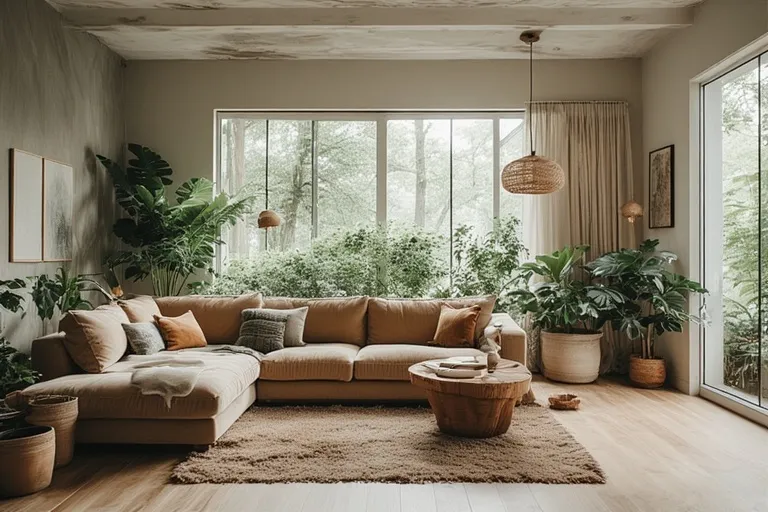
In today’s fast-paced urban world, biophilic design inspiration is transforming the way we think about our homes and workspaces. It’s more than just a design trend — it’s a lifestyle movement that reconnects us with the natural environment. By blending organic materials, natural light, greenery, and earthy textures, biophilic design helps reduce stress, boost creativity, and create spaces that feel alive.
This concept has gained popularity across architecture and interior design because it merges functionality with wellness, making every space not only beautiful but also emotionally restorative. Let’s explore how this nature-driven design philosophy can breathe life into your interiors.
What Is Biophilic Design?
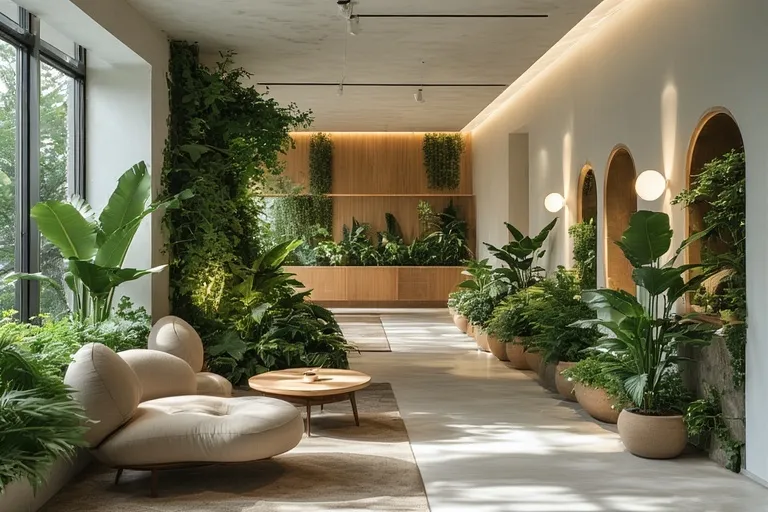
At its core, biophilic design is about integrating nature into the built environment. The word biophilia means “love of nature,” and this design approach seeks to strengthen the human-nature connection through intentional choices in color, material, and form.
Biophilic interiors might feature large windows that flood rooms with sunlight, indoor plants that purify the air, or natural materials like wood, stone, and clay that evoke a sense of grounding. It’s about creating harmony between people and their surroundings — and the result is a space that feels more balanced, comfortable, and alive. You have to look japandi home style
The Psychology Behind Biophilic Spaces
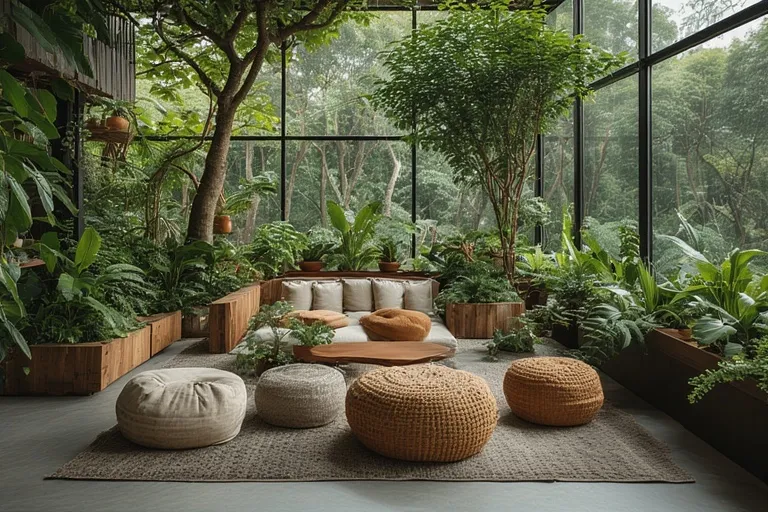
Research shows that humans have an inherent need to connect with nature. When we’re surrounded by greenery or natural elements, our brains release dopamine and serotonin — chemicals that promote happiness and reduce stress.
This is why we feel calmer in a park or by the sea. Biophilic design replicates that feeling indoors, turning your home or office into a mini ecosystem that promotes mental and physical well-being. Studies also reveal that workplaces with biophilic elements improve productivity and concentration by up to 15%.
In essence, biophilic design isn’t just aesthetic — it’s therapeutic.
Biophilic Design Inspiration Ideas for Your Home
Creating a biophilic-inspired home doesn’t require a complete remodel. Simple, thoughtful touches can make a huge difference. Here are some inspiring ideas to start with:
1. Let Natural Light Lead
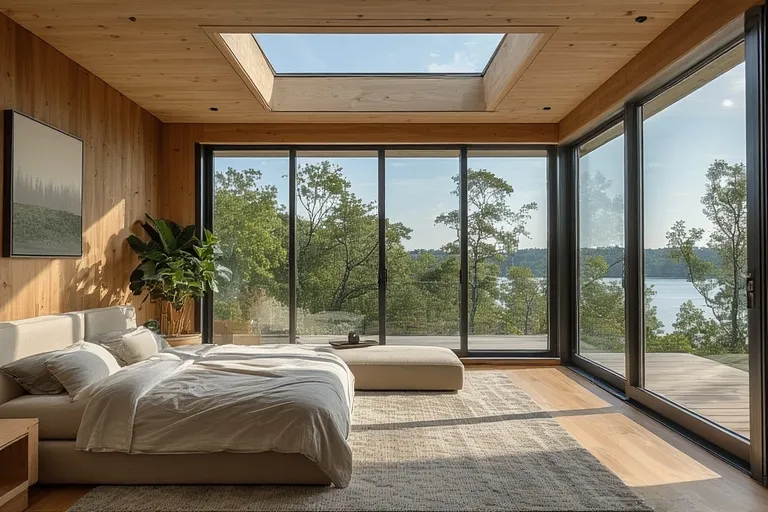
Natural light is the cornerstone of biophilic design. Maximize sunlight by using sheer curtains, open layouts, and reflective surfaces. Skylights or larger windows can make spaces feel open and energizing.
2. Add Living Greenery
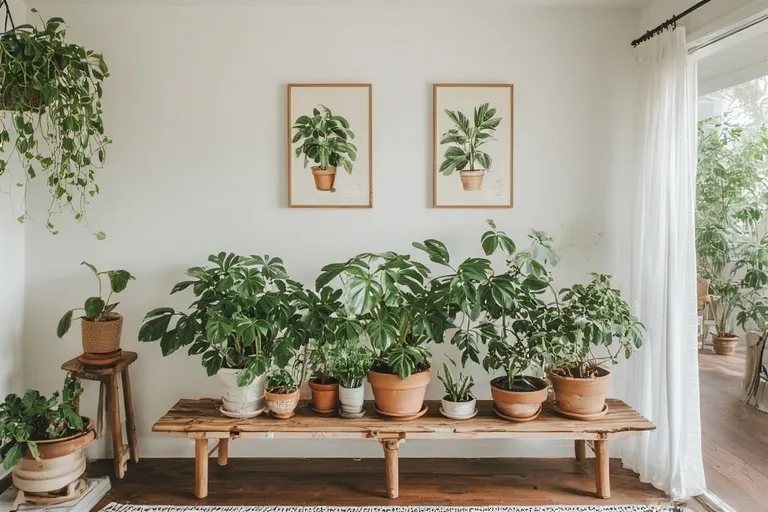
Indoor plants are the most accessible way to bring nature inside. From small potted succulents to lush indoor trees like fiddle-leaf figs or rubber plants — greenery cleans the air and enhances mood.
You can also explore vertical gardens or hanging planters if you’re short on space.
3. Use Natural Materials
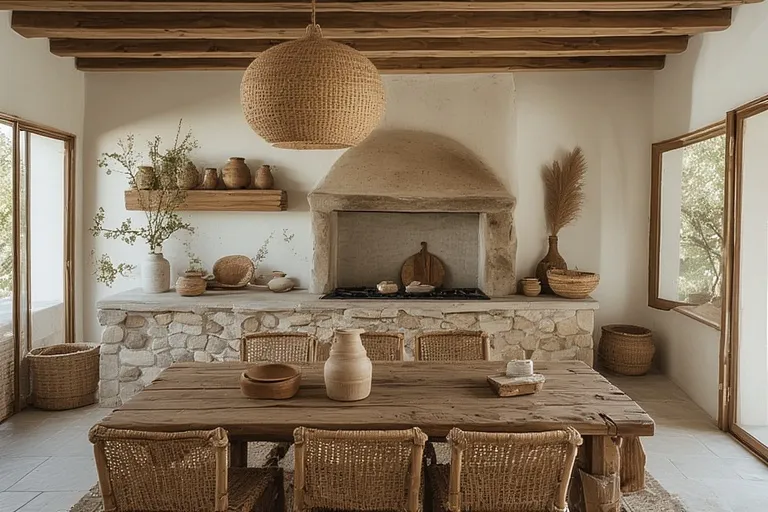
Choose wood, bamboo, jute, or rattan furniture and décor. Stone countertops, clay vases, and linen fabrics bring organic warmth that man-made materials can’t replicate.
4. Bring in Water Elements

Water has a soothing, meditative quality. A small tabletop fountain, aquarium, or even a water-themed wall art can add tranquility to any space.
5. Incorporate Nature-Inspired Colors
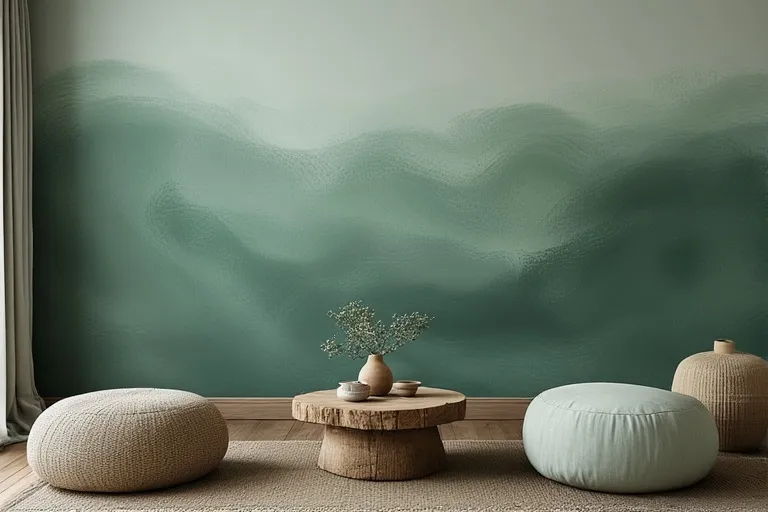
Think of soft greens, ocean blues, and earthy neutrals. These tones mimic natural environments and make rooms feel grounded and calm.
6. Connect Indoor and Outdoor Spaces
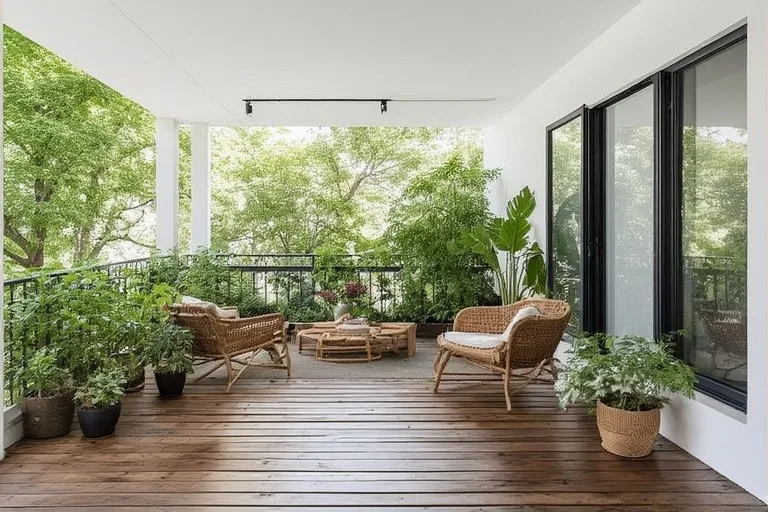
If possible, blur the line between your interiors and outdoor areas. Sliding glass doors, balconies filled with plants, or patios with natural flooring help create a seamless flow between inside and outside worlds.
7. Add Organic Shapes
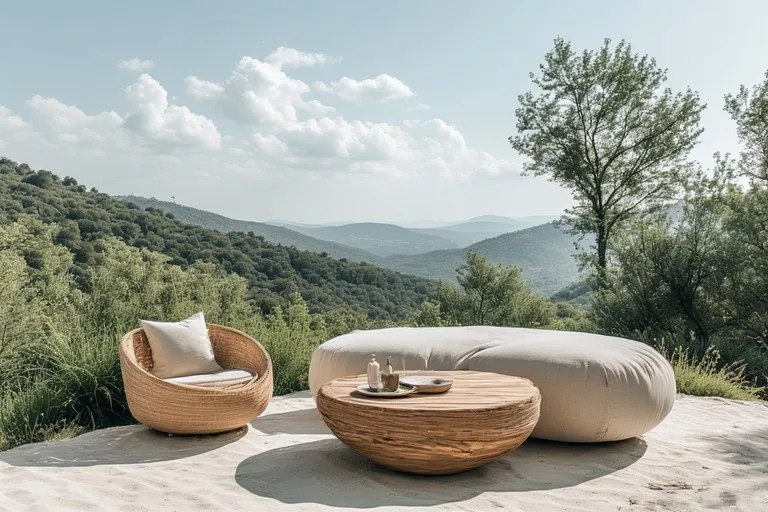
Nature rarely produces straight lines — it’s full of curves and irregular forms. Use rounded furniture, wavy mirrors, or asymmetrical patterns to bring organic softness to your décor.
How to Apply Biophilic Design in Different Rooms
Living Room
Make this space your green sanctuary. Incorporate large plants, woven textures, and natural wood furniture. Position your seating near windows to enjoy sunlight and outdoor views.
Bedroom
Your bedroom should evoke peace and calm. Use soft lighting, cotton or linen bedding, and muted nature-inspired tones. A few plants or a nature-themed mural can add serenity.
Kitchen
Use wooden cabinets, stone countertops, and fresh herbs on the windowsill. Large windows for ventilation and light will make your kitchen both functional and refreshing.
Home Office
For productivity, place your desk near a window or a source of daylight. Add greenery, natural textures, and artwork featuring nature scenes to stay focused and inspired.
The Benefits of Biophilic Design
- Reduces stress and anxiety: Exposure to natural elements lowers cortisol levels.
- Boosts creativity: Nature-inspired spaces stimulate creative thinking and focus.
- Improves air quality: Plants naturally filter toxins and produce oxygen.
- Enhances well-being: Biophilic design fosters calmness and emotional balance.
- Increases productivity: Bright, natural settings boost energy and mental clarity.
Whether you’re designing a new home or updating an old one, incorporating biophilic principles can dramatically enhance your quality of life.
Sustainable Design Meets Biophilia
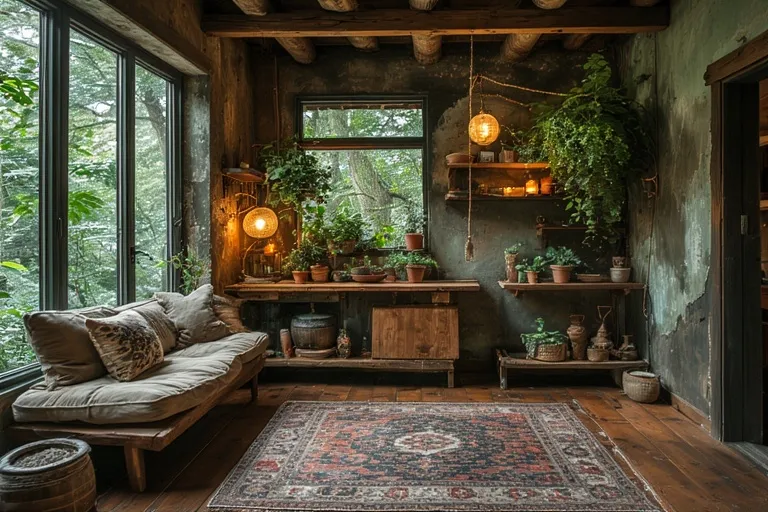
Another essential aspect of biophilic design is its connection with sustainability. Using renewable materials, recycling décor items, and choosing energy-efficient lighting all support the planet while enhancing aesthetics.
For example, reclaimed wood flooring or recycled metal fixtures not only look stylish but also reduce environmental impact. Biophilic design encourages mindful living — where every design choice respects nature and benefits both the planet and its people.
Modern Trends in Biophilic Design
As technology and design evolve, biophilia continues to inspire innovation. Some modern trends include:
- Smart indoor gardens that use automated watering systems.
- Eco-friendly materials like cork and hemp.
- Biophilic architecture with green roofs and living walls.
- Nature-inspired lighting that mimics sunlight patterns.
These trends show that biophilic design isn’t just for homes — it’s shaping the future of offices, schools, and urban spaces worldwide.
Bringing Biophilia Into Urban Living
Even if you live in a small apartment or city loft, you can still embrace biophilic design. Try window planters, terrariums, or botanical prints. The goal is to create visual and sensory connections with nature — even if you’re surrounded by concrete.
You can also use digital nature — like virtual skylines or ambient sounds of rain and birds — to simulate nature’s calming effects.
Conclusion
Biophilic design inspiration invites us to rediscover our bond with nature and integrate it into the spaces where we live and work. Whether through sunlight, greenery, or organic materials, this design philosophy nurtures both body and soul.
By bringing natural elements into modern interiors, you’re not just decorating — you’re creating a sanctuary that supports health, happiness, and harmony. In a world filled with screens and stress, biophilic design offers a gentle reminder that the best inspiration often comes from the natural world around us.
Q1: What is biophilic design?
A: It’s a design approach that connects people with nature through natural materials and elements.
Q2: Why is biophilic design important?
A: It enhances well-being, reduces stress, and creates healthier living spaces.
Q3: How can I add biophilic design to my home?
A: Use natural light, indoor plants, and organic materials like wood or stone.
Q4: What colors work best for biophilic design?
A: Earthy tones like greens, browns, blues, and soft neutrals reflect nature.
Q5: Can biophilic design work in small spaces?
A: Yes, by using plants, natural light, and nature-inspired décor in any size room.
One Comment