
Biophilic Futuristic Design: 6 Cutting-Edge Interior Ideas
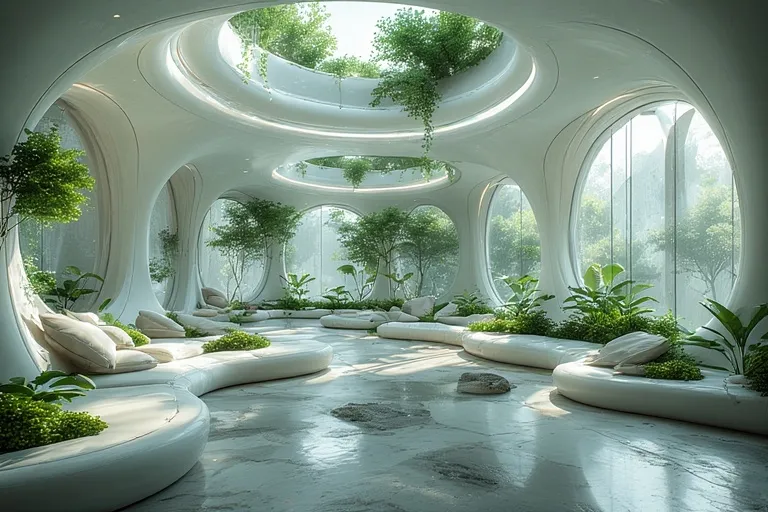
Biophilic futuristic design is transforming the way we create spaces that feel alive, purposeful, and deeply connected to human well-being. This style blends the organic beauty of nature with the sleek sophistication of forward-thinking architecture. It encourages environments that promote calm, clarity, and creativity through thoughtful integration of natural elements. As a result, spaces feel more energizing and emotionally supportive.
At its core, biophilic design seeks harmony between comfort, innovation, and sensory richness. Advanced technology works alongside natural forms, creating interiors that feel intuitive and responsive. Soft curves, greenery, and smart systems come together to shape a more balanced lifestyle. This synergy offers a refreshing alternative to cold, overly minimal environments
The Essence of Biophilic Living in a New Era
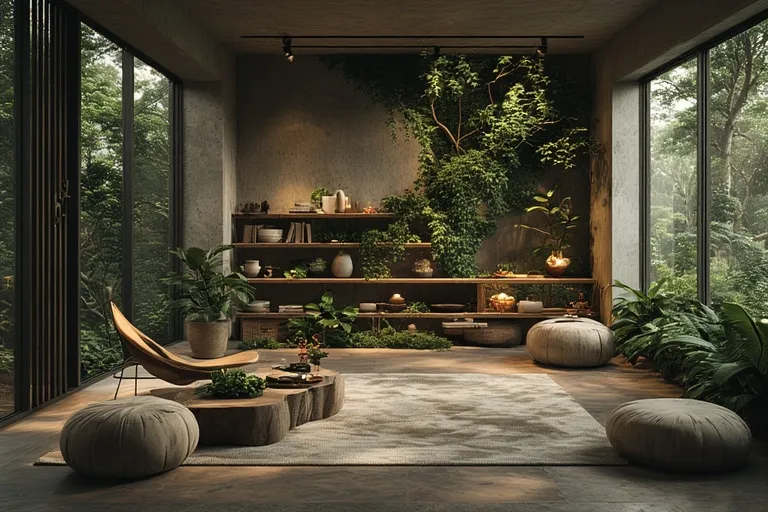
As cities grow denser and routines become faster, people gravitate toward environments that soothe and recharge them. The essence of biophilic living goes far beyond adding plants into a room. It embraces patterns, textures, shapes, and atmospheres inspired by natural ecosystems. Warm daylight, flowing layouts, and soft organic forms deliver a gentle sense of continuity between indoor and outdoor worlds. You have to see Recyclable Furniture
This design approach allows individuals to feel more connected to surroundings that were once distant from urban life. By integrating natural materials like stone, bamboo, ceramic, or reclaimed wood, spaces gain personality and depth. Subtle earthy tones, fluid silhouettes, and airy arrangements create a comforting sense of space. When these elements merge with future-driven ideas—smart systems, adaptive lighting, or automated airflow—they create a living experience that feels intuitive and emotionally supportive.
The Role of Technology in Organic Spaces
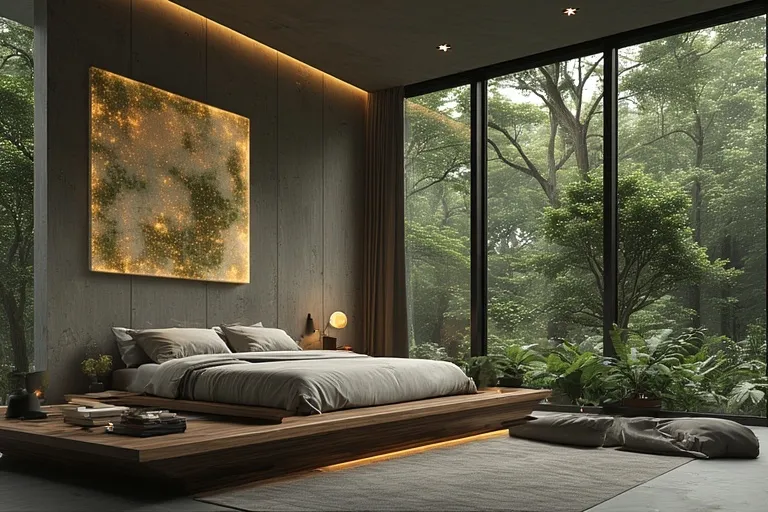
Advanced technology does not need to overpower the atmosphere of a room. In fact, when used thoughtfully, it quietly enhances the organic flow of a biophilic environment. Soft, invisible smart features can regulate temperature, guide natural light, or adjust humidity levels based on time of day. This creates a stable and refreshing microclimate, mirroring outdoor systems.
Sound-absorbing materials inspired by forest acoustics can be paired with digital soundscapes that replicate gentle breezes or flowing water. Rather than distracting from natural beauty, these enhancements amplify the sensory comfort of a space. Lighting systems that follow circadian rhythms help maintain energy patterns throughout the day, supporting focus, rest, and emotional balance. The harmony of nature-guided design and intelligent features suggests a future where homes respond to human needs with subtlety and precision.
Biophilic Futuristic Design in Modern Architecture
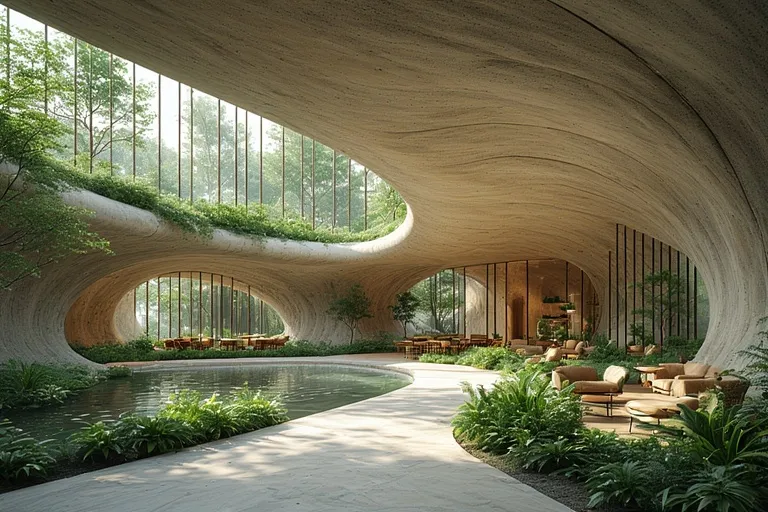
Design philosophies evolve as society’s needs evolve, and modern architecture now blends environmental awareness with sculptural imagination. Buildings are being shaped with curved exteriors that resemble river stones, tree canopies, or shell structures. They adapt to climate rather than resist it. Green roofs or vertical gardens contribute to cleaner air and natural insulation, while translucent materials soften sunlight and create dynamic shadows inside interior spaces.
In communal spaces like offices, cafés, or learning centers, this approach helps reduce stress and inspires fresh energy. Open layouts promote easier movement, while biophilic features such as indoor courtyards or water channels create anchors of calm. These elements serve more than decorative purposes—they form environments that support creativity, collaboration, and mental clarity.
Blending Emotional Comfort With Structural Innovation
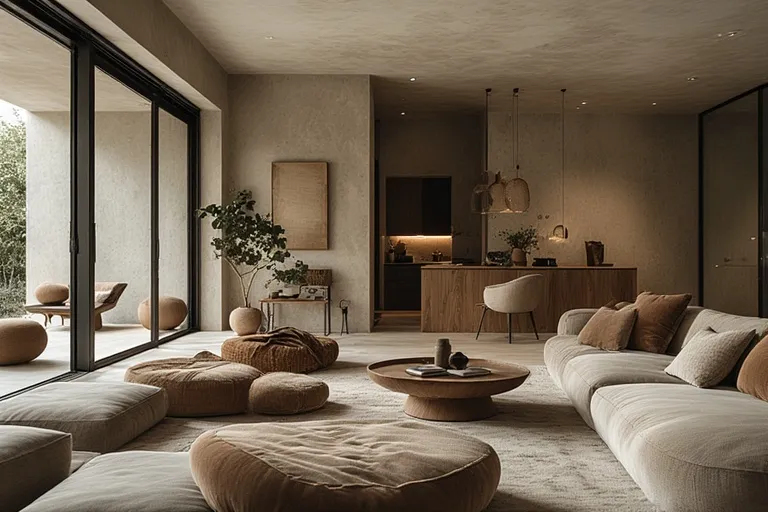
A well-designed living space reflects how people want to feel. The blend of emotional comfort with modern structural innovation allows interiors to become sanctuaries that support daily habits. Furniture with rounded edges, breathable fabrics, and natural grains encourages a slower rhythm. Textures inspired by moss, sand, or tree bark bring warmth without overwhelming the eye.
Innovative structural choices, such as walls that shift or partitions made of sustainable glass, allow rooms to evolve with changing needs. Home offices can transform into relaxation corners, and living rooms can extend into open terraces. These evolving spaces create a sense of freedom and adaptability, fostering mental ease and personal expression.
Nature-Infused Minimalism
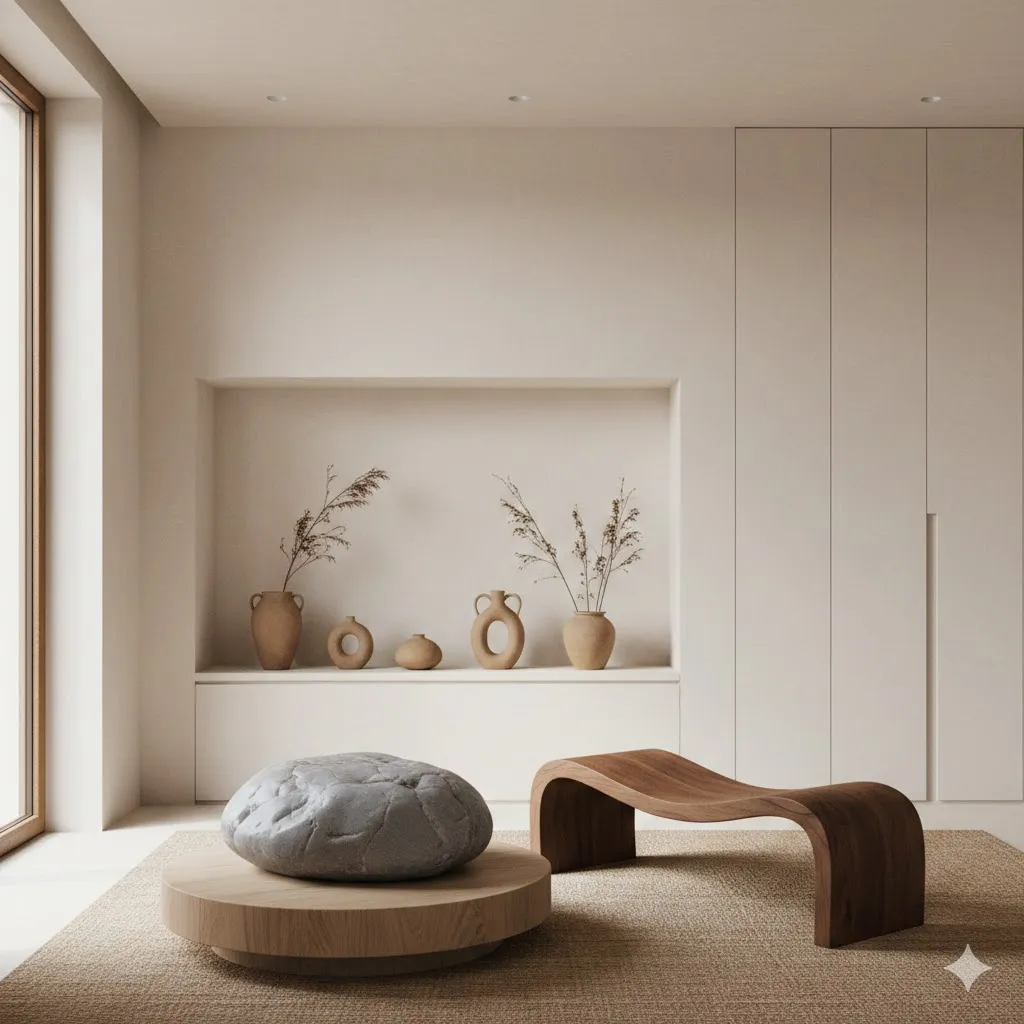
The contemporary shift toward minimalism is taking a new direction—one that feels less sterile and more alive. Instead of cold surfaces and rigid lines, minimalism influenced by natural beauty embraces balance and fluidity. A handful of well-chosen materials, abundant soft light, and unobtrusive storage solutions help create a serene environment without reducing personality.
Textures play a key role here. A single stone centerpiece, a sculpted wooden bench, or a clay vase can add depth and interest without crowding the room. Spaces breathe more easily when furnished with intention instead of excess. This approach appreciates spaciousness as a luxury, allowing the mind to settle and focus.
Sensory Layers That Transform Everyday Life
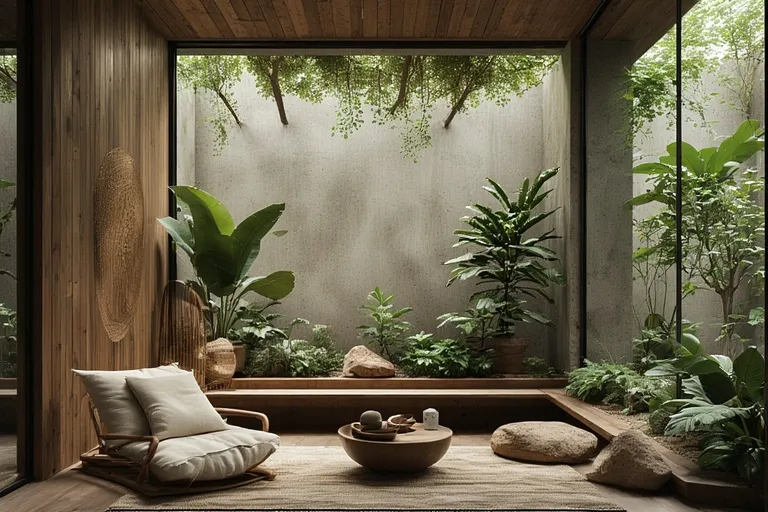
Human senses crave subtle stimulation, and layered natural elements deliver that richness in gentle ways. The earthy scent of wooden elements, the touch of linen or rattan, and the soft rustling of indoor greenery create grounding moments throughout the day. Sensory layers shift the atmosphere from ordinary to immersive, helping individuals experience their homes rather than simply move through them.
Water features add rhythm to a space—whether in the form of a small fountain or a built-in reflective installation. Natural stones paired with soft organic lighting create meditative corners ideal for reading, unwinding, or simply breathing deeply. These thoughtful touches offer daily restoration without requiring conscious effort.
Earth-Friendly Materials for a Responsible Future
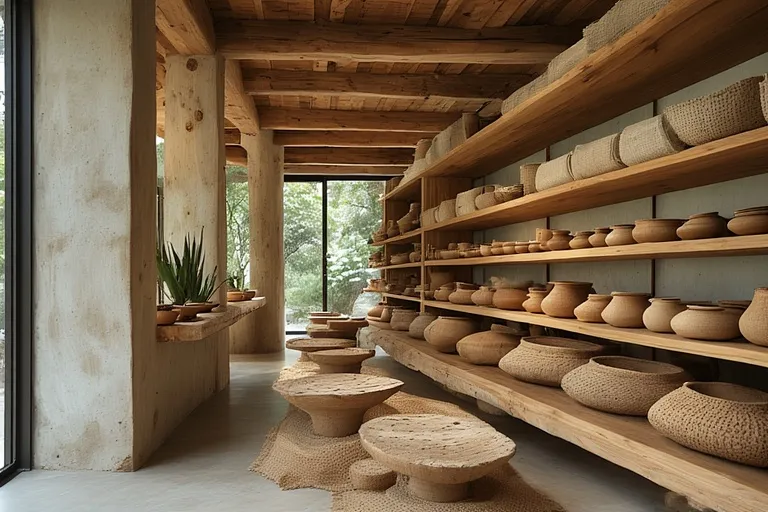
A responsible design philosophy prioritizes materials that support environmental well-being. Bamboo, cork, hemp textiles, recycled glass, and ethically sourced timber play central roles in creating healthier spaces. They reduce chemical exposure, support sustainable production cycles, and promote durability.
Using these materials encourages a deeper appreciation for craftsmanship. Handmade ceramics, woven fabrics, and naturally finished surfaces carry subtle imperfections that bring character and authenticity. In a world driven by rapid manufacturing, these details remind us of slower rhythms and grounded values.
Adapting Spaces for a Changing World

As lifestyles change, homes must become flexible companions. Multi-use furniture, modular shelving, and adaptable layout designs allow people to shift their environment effortlessly. Soft dividers or natural screens create privacy without closing off space, while elevated plant platforms or indoor micro-gardens bring refreshing energy into corners that often go unnoticed.
Whether creating a peaceful reading area, a compact workspace, or a serene meditation spot, adaptable spaces support well-being with ease. They allow individuals to personalize their environment in ways that genuinely reflect their evolving needs.
Conclusion:
Design continues to evolve as people search for deeper comfort, harmony, and emotional grounding in their surroundings. Biophilic futuristic design offers a way to create environments that feel both delightfully natural and thoughtfully advanced. By merging organic materials, sensory richness, and intelligent systems, this design philosophy builds spaces that inspire clarity, imagination, and genuine well-being. It points toward a future where living spaces nurture the human spirit as much as they respond to daily needs, reminding us that progress feels most meaningful when it stays connected to nature.
1. What is biophilic futuristic design?
It is a design approach that blends natural elements with forward-thinking technology to create emotionally supportive, sustainable spaces.
2. How does this design style improve well-being?
It enhances well-being by incorporating daylight, natural textures, airflow, and soothing sensory elements that promote mental clarity and relaxation.
3. Can biophilic futuristic design work in small homes?
Yes, it adapts perfectly to small homes through modular furniture, natural materials, vertical greenery, and efficient spatial planning.
4. What materials are commonly used in this design approach?
Common materials include bamboo, stone, cork, reclaimed wood, clay, and eco-friendly textiles that elevate both aesthetics and sustainability.
5. Does technology overpower natural elements in this style?
No, technology is used subtly to support comfort—such as adaptive lighting, climate control, and smart layouts—without overshadowing natural features.
One Comment