
Eco Friendly Furniture Design: 9 Innovative Ideas That Last
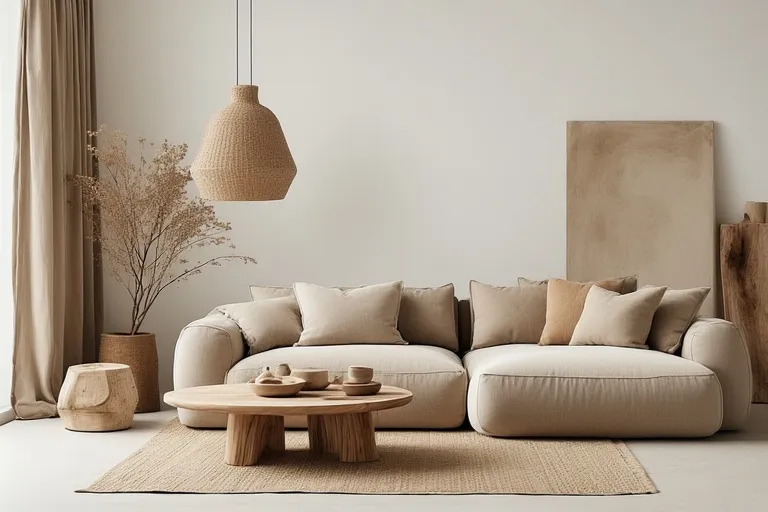
Eco friendly furniture design is reshaping how we create warm, mindful, and sustainable homes. By choosing materials and products with care, homeowners can enjoy spaces that are both beautiful and environmentally responsible. This approach emphasizes craftsmanship, longevity, and ethical production, reflecting a deeper commitment to the planet. Incorporating eco-conscious furniture allows your interiors to feel grounded, purposeful, and thoughtfully curated.
Interest in eco friendly design continues to grow as people seek sustainable alternatives to mass-produced items. Natural finishes, renewable materials, and low-impact manufacturing help reduce environmental footprints without sacrificing style. From reclaimed wood tables to organic fabric sofas, there are countless ways to bring sustainability into every room. These choices not only support responsible living but also create interiors that feel inviting and authentic.
The Rise of Conscious Home Interiors
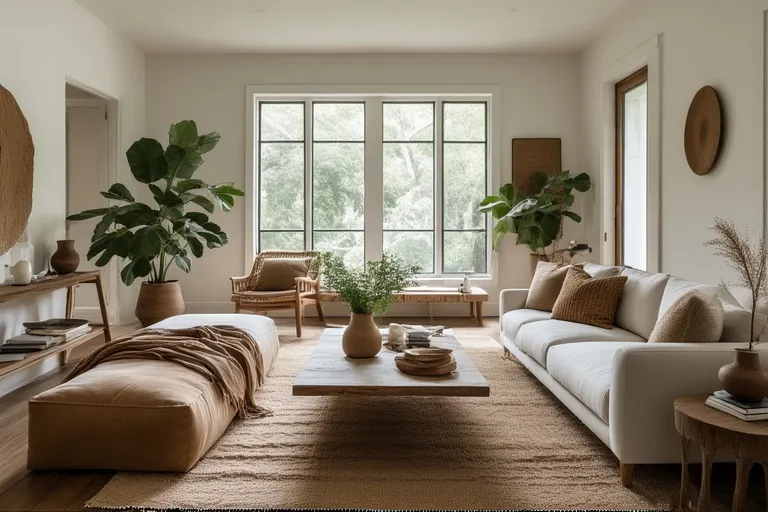
More homeowners are rethinking their interiors with a focus on nature, durability, and organic craftsmanship. The modern approach to furnishing a home is no longer only about decoration; it’s about selecting meaningful pieces that contribute to a healthier environment. This shift has created a movement shaped by transparency in sourcing, respect for tradition, and a commitment to reducing waste. As I said visit Modular Eco Furniture
Designers, artisans, and brands have responded with elegant pieces made from renewable resources, biodegradable elements, and reclaimed materials. This new wave of interior philosophy blends refined aesthetics with mindful intention—a perfect balance for those seeking homes that nurture both personal comfort and global well-being.
Natural Materials That Support a Greener Home
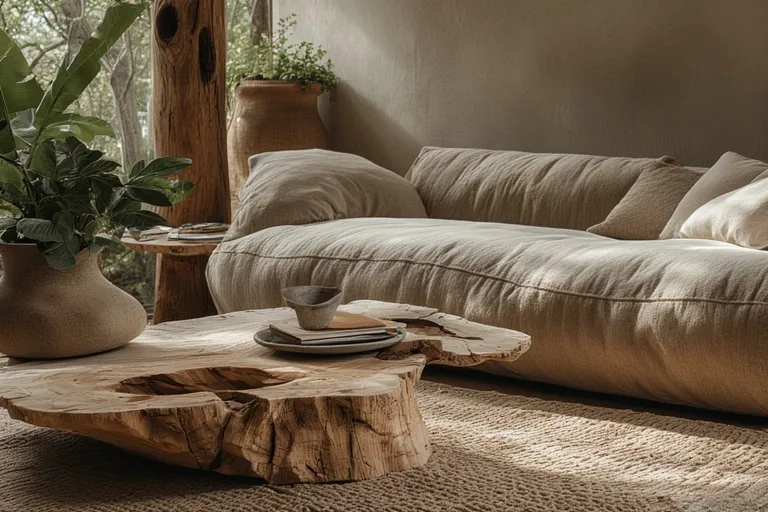
One of the most impactful choices in sustainable interiors comes from material selection. Furniture crafted from organic, renewable, or restored elements not only looks grounded and timeless but also reduces reliance on harmful production processes.
Sustainably Harvested Wood
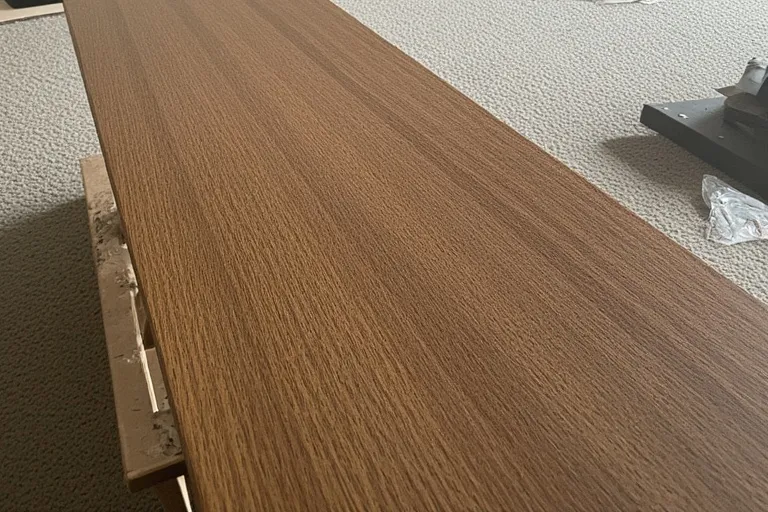
This category includes woods sourced from responsibly managed forests. Oak, walnut, teak, and bamboo remain popular for their strength and longevity. Certification programs help ensure forests are preserved, replanted, and treated with respect, giving homeowners the assurance that their pieces contribute to regeneration rather than depletion.
Reclaimed and Recycled Wood
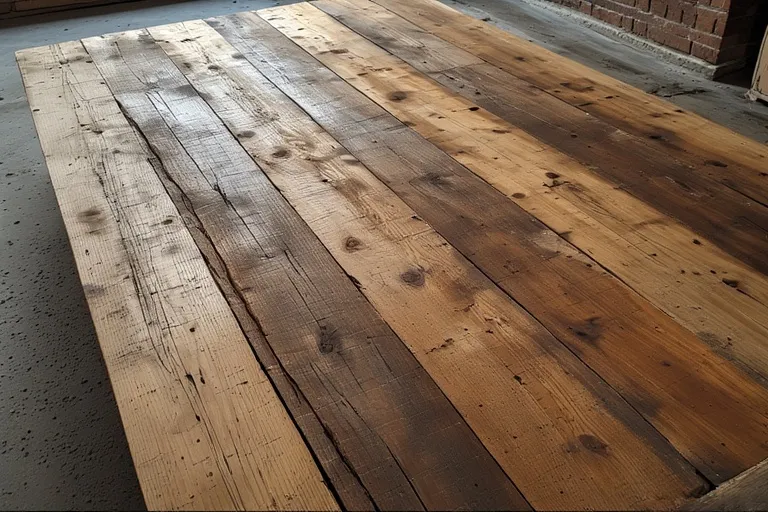
Reclaimed lumber carries its own character—weathered textures, rich tones, and a history embedded in each grain. Furniture crafted from old beams, barns, or retired structures provides a sense of charm and prevents usable materials from ending up in landfills.
Natural Fibers
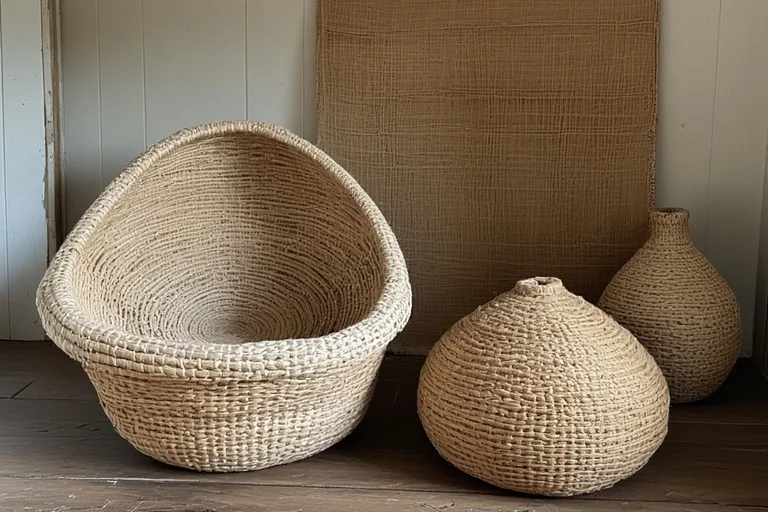
Rattan, jute, hemp, and organic cotton create pieces that feel soft, breathable, and welcoming. These fibers require minimal processing, making them excellent for chairs, baskets, upholstery, and decorative accessories. Their earthy tones also bring a calm, grounded atmosphere to any room.
Low-Impact Metal and Glass
Recycled metals and glass allow artisans to design sleek, modern pieces without excessive energy consumption. These materials, when reused, maintain their quality and contribute to a circular economy.
Craftsmanship and Ethical Production
When furniture is made with intention, every step—from extraction to construction—has a meaningful purpose.
Fair Labor and Local Manufacturing

Responsible furniture makers prioritize fair wages, safe work environments, and skilled labor. Choosing locally made pieces reduces transportation emissions and supports artisans in your community. Each handcrafted piece carries the maker’s expertise, forming a connection between home and craft.
Traditional Techniques

Hand-weaving, joinery, carving, and other artisanal practices limit the need for excessive machinery. These techniques often produce furniture that lasts for decades, combining elegance with structural integrity.
Low-Waste Workshops
Many sustainable workshops repurpose offcuts and scraps into smaller home items such as trays, stools, shelves, or decorative elements. This reduces waste and gives materials a second life.
Eco Friendly Furniture Design in Modern Spaces
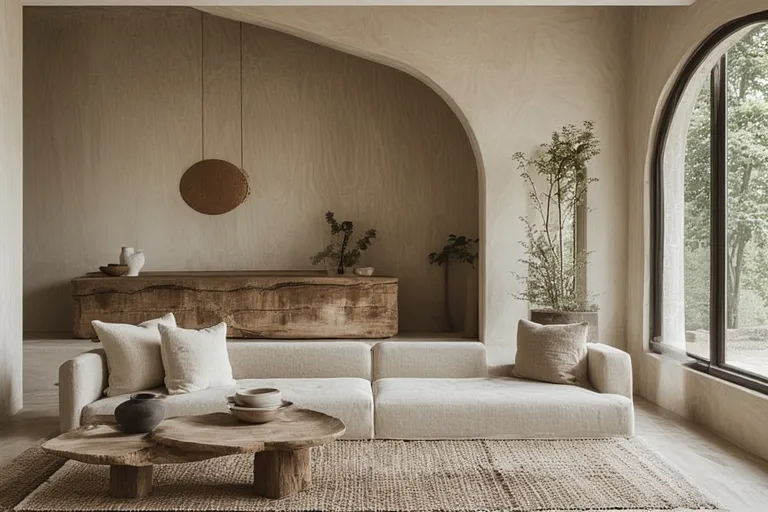
As more households adopt mindful living habits, designers are finding innovative ways to integrate sustainability into contemporary interiors. These spaces don’t simply follow trends; they embody thoughtful decisions that shape homes filled with clarity, function, and natural warmth.
Contemporary eco-focused interiors embrace clean silhouettes, muted palettes, and pieces that highlight the raw beauty of their materials. Instead of heavy chemical finishes, these designs favor plant-based oils and water-based lacquers, allowing the natural texture of wood or fiber to stand out. Each element encourages balance—between minimalism and comfort, nature and sophistication, tradition and innovation.
Whether in a compact apartment or a spacious home, these design principles adapt gracefully. A reclaimed oak dining table can anchor a room with elegance, while a bamboo shelving system adds lightness and utility. Organic cotton upholstery in soft neutrals brings softness and calm without overshadowing the room’s natural character.
Health-Focused Interiors
Beyond aesthetics and sustainability, environmentally friendly furniture contributes to healthier indoor environments.
Non-Toxic Finishes
Traditional varnishes and glues release volatile organic compounds (VOCs), which linger in the home’s air. In contrast, eco-conscious furniture brands use finishes derived from natural oils, waxes, and water-based solutions. These finishes help maintain cleaner air and keep the home comfortable for children, pets, and adults alike.
Allergy-Friendly Materials
Natural fibers often resist dust and mold, making them ideal for household members with sensitivities. Organic linens, untreated wood, and breathable materials create fresh, well-ventilated spaces.
Durability for a Lifetime
Long-lasting furniture reduces the need for frequent replacements, saving money and minimizing waste. Pieces built with solid frames, mortise-and-tenon joints, and dense natural fibers stand strong for decades, often becoming cherished heirlooms.
Circular Living and Responsible Choices
Designing a greener home encourages mindful decisions at every stage.
Refurbishing and Restoring Existing Pieces
Instead of discarding older furniture, many homeowners now choose to refinish, repaint, or reupholster. A vintage dresser can become a modern statement piece with fresh hardware and a plant-based stain. This approach preserves craftsmanship and reduces the environmental footprint of buying new.
Modular and Multi-Purpose Pieces
Multi-functional furniture supports smaller living spaces and reduces overconsumption. Modular sofas, extendable dining tables, and stackable seating allow flexibility while using fewer resources.
Buying from Transparent Brands
Consumers have access to more information than ever. Many forward-thinking brands now offer clear insight into sourcing, production, and environmental impact. This transparency empowers shoppers to support businesses aligning with their values.
Aesthetic Harmony with Nature

Homes designed with sustainability at their core often feel peaceful, grounded, and deeply connected to the natural world. Earthy tones—soft browns, gentle creams, muted greens, and warm neutrals—create spaces that soothe the mind. Mixed textures like linen, rattan, unfinished wood, and recycled metal bring depth and tactility.
In these interiors, natural light plays an essential role. Sunlight interacts beautifully with organic materials, enhancing grain patterns, soft fibers, and handmade surfaces. Thoughtfully chosen plants complement the palette, adding life and fresh air while reinforcing the home’s connection to the outdoors.
Conclusion:
Choosing eco friendly furniture design is more than a stylistic decision—it reflects a dedication to mindful living, responsible sourcing, and the long-term health of the planet. Every piece crafted from natural or restored materials supports a gentle footprint and enriches the atmosphere of a home. By investing in durable construction, transparent production, and timeless craftsmanship, you create interiors that feel grounded, nurturing, and full of character. This thoughtful approach not only enhances your daily environment but also contributes to a broader culture of respect for nature and future generations.
1. What materials are used in sustainable furniture?
Sustainable furniture often uses reclaimed wood, natural fibers, recycled metals, and responsibly sourced materials for long-lasting quality.
2. How does eco-conscious furniture improve indoor health?
It improves indoor health by reducing exposure to toxins through natural finishes, low-VOC coatings, and breathable organic materials.
3. Is reclaimed wood durable for everyday use?
Yes, reclaimed wood is extremely durable because it has naturally hardened over time and provides strength for long-term household use.
4. Are natural fiber fabrics good for furniture upholstery?
Natural fibers work well for upholstery since they are breathable, comfortable, and often hypoallergenic for sensitive environments.
5. How can I make my home more sustainable with furniture choices?
You can create a more sustainable home by choosing long-lasting pieces, restoring older furniture, and supporting transparent eco-minded brands.
One Comment