
Eco Futuristic Architecture 9 Transforming Cities with Style
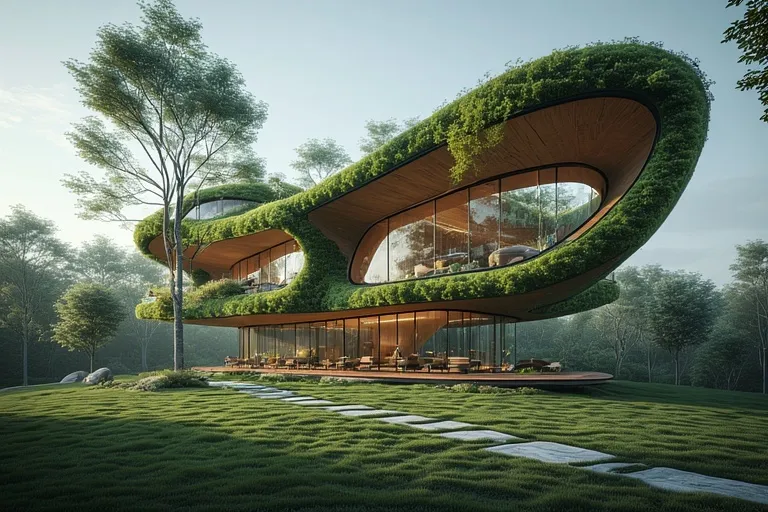
Eco futuristic architecture is shaping the next generation of design, where innovation meets sustainability. This forward-thinking approach blends cutting-edge technology with a deep respect for the natural environment, creating buildings that are both functional and inspiring. From energy efficiency to adaptive materials, every element is designed to minimize environmental impact while maximizing human comfort. It’s a style that transforms not just structures, but how we experience and interact with our surroundings.
At the heart of eco architecture is a commitment to harmony between humans and nature. Smart energy systems, green roofs, and sustainable materials all contribute to buildings that work with their environment rather than against it. Designers focus on creating spaces that breathe, adapt, and enhance the quality of life for those who inhabit them. This holistic approach elevates architecture from mere construction to an art of living sustainably.
A New Approach to Building for the Future
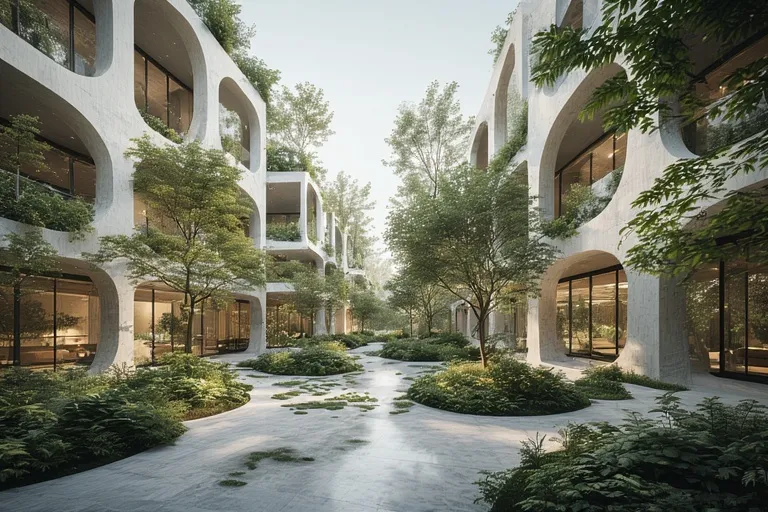
Modern cities are expanding faster than ever, calling for designs that balance beauty, efficiency, and environmental care. Architects and planners are now exploring materials and technologies capable of reducing waste, conserving energy, and adapting to changing landscapes. This new mindset doesn’t revolve around quick fixes. Instead, it offers long-term solutions that support both urban life and the planet. Just visit Moody Purple Bedroom
Buildings of the future focus on minimizing harm and maximizing harmony. They operate with cleaner energy sources, smarter layouts, and materials that last longer while leaving a smaller footprint. This balance between cutting-edge technology and natural systems guides a growing movement across the world.
The Rise of Smart, Sustainable Materials
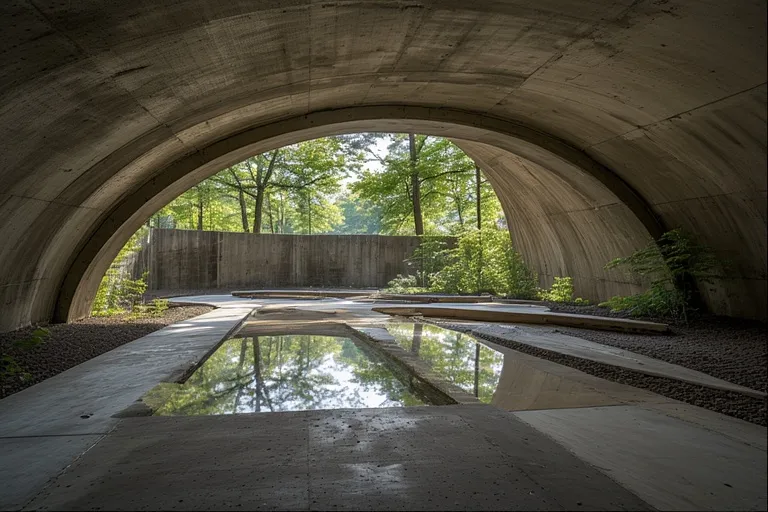
Forward-thinking structures rely on materials that improve performance and reduce strain on natural resources. Traditional steel and concrete are being joined—and sometimes replaced—by alternatives that support greener practices.
Self-healing concrete
This material contains bacteria or chemical agents that activate with moisture, filling cracks and extending the life of the structure. Longer-lasting buildings reduce waste and maintenance costs.
Cross-laminated timber (CLT)
Made by layering wood panels in different directions, CLT creates strong, lightweight components. Since wood absorbs carbon, it offers both structural strength and environmental value.
Recycled composites
Glass, plastics, and metals once considered waste are now forming durable surfaces and panels. These materials reduce landfill pollution while creating cost-effective design options.
Biomaterials
Mycelium (mushroom roots), algae-based bricks, and natural fibers are stepping into mainstream construction. These materials grow rapidly, require minimal processing, and decompose without harming the environment.
Each advancement brings architecture closer to a model that supports natural cycles instead of disrupting them.
The Mindset Behind Sustainable Design
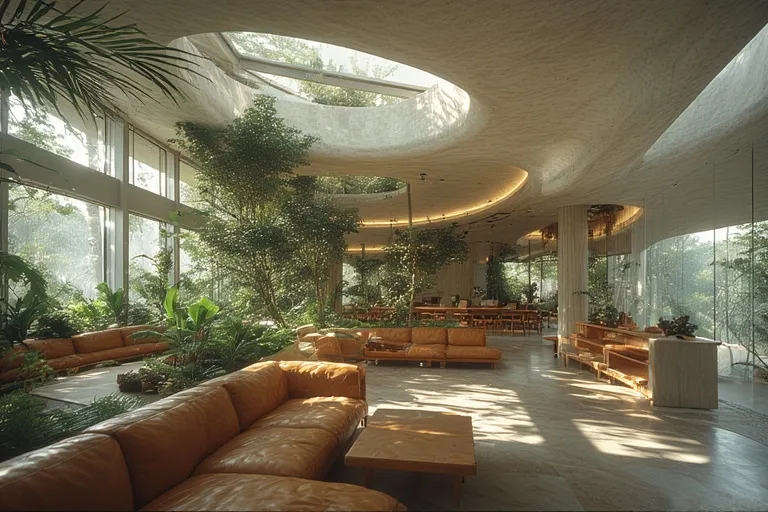
The philosophy driving the next generation of architecture revolves around creating spaces that do more than meet immediate needs. Designers are developing environments that adapt, evolve, and improve the well-being of those who use them.
Buildings are being shaped around daylight, air circulation, temperature control, and acoustics. These choices promote mental clarity, reduce stress, and lower energy consumption. Window placement, room arrangement, and greenery integration all contribute to healthier living and working spaces.
This approach blends comfort with conscience. Every detail—from roof angles to wall thickness—is planned to create efficiency without sacrificing aesthetic appeal.
Green Technology at the Core of Tomorrow’s Cities
Energy efficiency as a standard
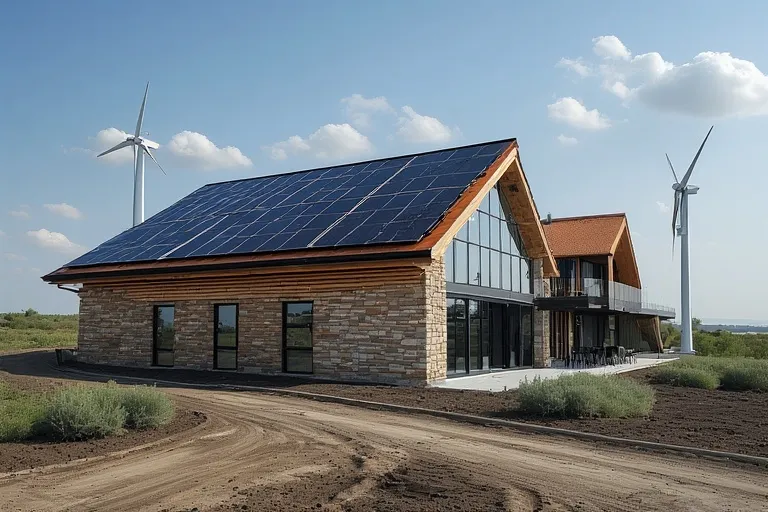
Solar panels, wind turbines, and geothermal systems are no longer experimental. They’re becoming everyday components of responsible design. Buildings can now produce part or all of their own energy, reducing grid dependence.
Smart systems for smart living

Sensors and integrated control systems manage heating, cooling, lighting, and water use. These systems respond to occupancy, weather changes, and daily patterns, ensuring that resources are never wasted.
Water conservation
Advanced filtration, greywater recycling, and rainwater harvesting allow structures to reuse water and reduce the pressure on municipal systems.
Green roofs and vertical gardens
Vegetation on rooftops and walls improves insulation, absorbs carbon, and provides habitats for pollinators. Beyond environmental benefits, they add beauty and a calming atmosphere to dense cities.
Technology blends seamlessly with nature, allowing buildings to function like ecosystems—responsive, regenerative, and efficient.
The Role of Urban Planning in a Greener Future
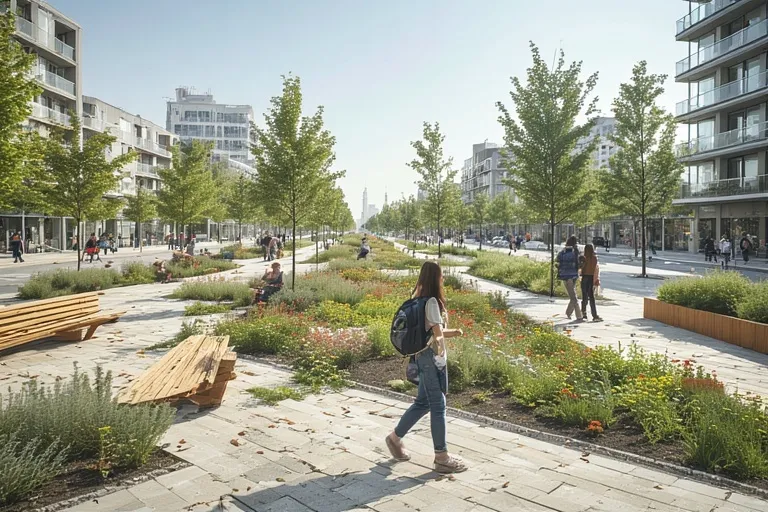
Communities thrive when the spaces around them are thoughtfully designed. Urban planning is shifting toward environments that encourage easy movement, social engagement, and reduced pollution.
Pedestrian-friendly layouts support walkability, reducing car use and improving air quality. Public transit systems are becoming smarter and more accessible. Green corridors—long stretches of planted spaces—help regulate temperature and improve biodiversity in crowded areas.
The integration of renewable energy stations, community gardens, green rooftops, and open public zones creates cities that feel less congested and more connected to nature
Eco Futuristic Architecture in Real-World Projects
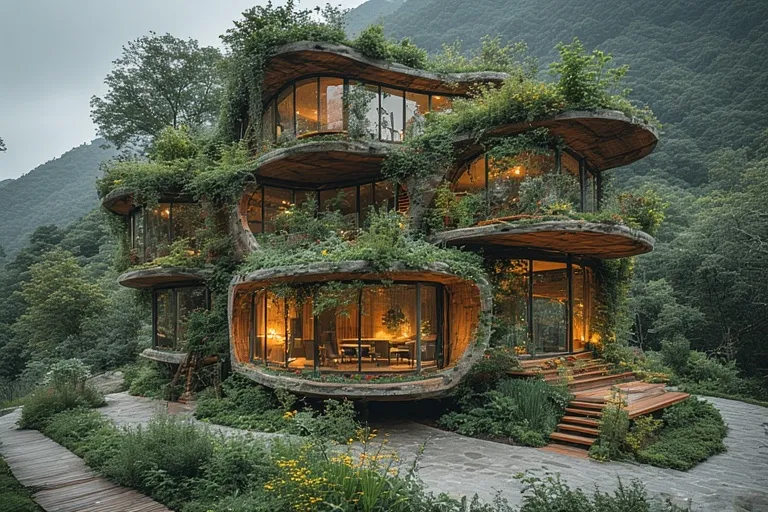
Across the globe, designers are proving that sustainable ideas can be both practical and visually striking. Large commercial buildings, small homes, and public institutions are embracing a cleaner design philosophy.
Examples include residential towers covered in greenery, offices powered entirely by solar energy, and schools with natural ventilation systems that lower energy demand. Some cities are experimenting with floating neighborhoods, modular buildings, and structures capable of generating more energy than they use.
These projects are not isolated experiments; they are blueprints guiding the next wave of development. They showcase how vision, creativity, and responsibility can shape places that serve people today while protecting the generations that follow.
How These Principles Elevate Everyday Living
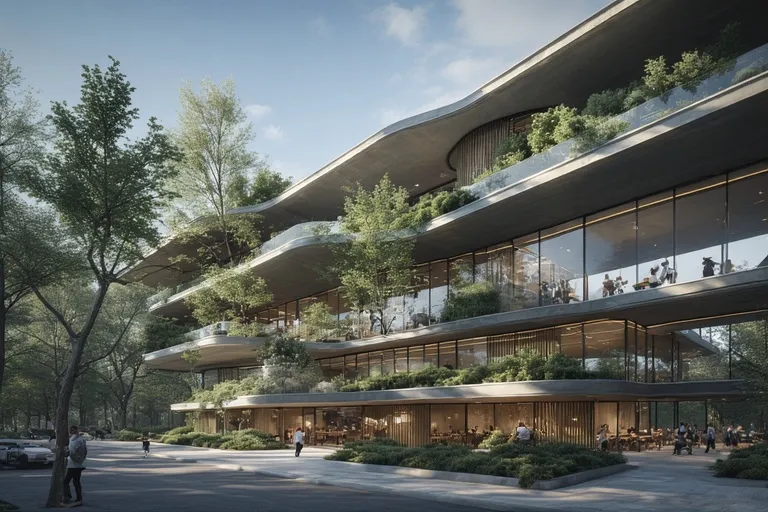
The impact of thoughtful design extends far beyond energy savings or cleaner air. It affects daily life in meaningful ways:
- Comfortable environments created through natural lighting and improved airflow.
- Lower living costs thanks to reduced energy consumption and efficient water systems.
- Improved mental well-being with access to greenery, natural textures, and calming spaces.
- Safer cities designed to withstand climate challenges and environmental stress.
- Stronger communities built around accessible public spaces and sustainable infrastructure.
People experience these benefits not as abstract concepts, but as small improvements that add ease and quality to everyday routines.
Looking Ahead: A New Standard for Living Spaces
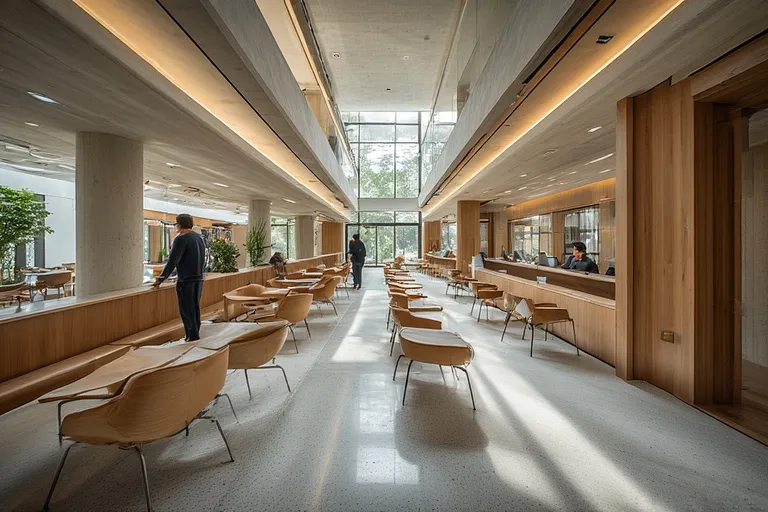
As global challenges continue to shape conversations about construction and development, a clear path is emerging. Future buildings will prioritize durability, environmental care, and human comfort. Innovations in technology, materials, and design strategies will continue to evolve, pushing architecture to become more flexible and more responsible.
The next phase involves expanding these ideas from individual buildings to entire neighborhoods and cities. This ensures that progress doesn’t just decorate skylines— it enhances lives in a meaningful way.
Conclusion:
The concept of eco futuristic architecture represents more than a trend; it reflects a direction for the world’s future. By combining modern innovation with natural principles, designers are creating spaces that support both the environment and the people who depend on it. This path encourages long-lasting solutions, cleaner cities, and buildings that stand as examples of balance, creativity, and care.
1. What defines eco futuristic architecture?
It combines sustainable materials with advanced technology to create buildings that work in harmony with the environment.
2. How do smart systems improve building efficiency?
They manage heating, cooling, lighting, and water use automatically to reduce energy waste.
3. What materials are common in future-focused sustainable design?
Self-healing concrete, cross-laminated timber, recycled composites, and biomaterials are frequently used.
4. How do green roofs and vertical gardens help cities?
They improve insulation, reduce heat, support biodiversity, and make urban spaces visually refreshing.
5. Why are renewable energy sources important in modern building design?
They allow structures to generate clean power, lower utility costs, and reduce environmental impact.
One Comment