
9 Minimalist Christmas Tree Ideas That Feel Perfectly Simple
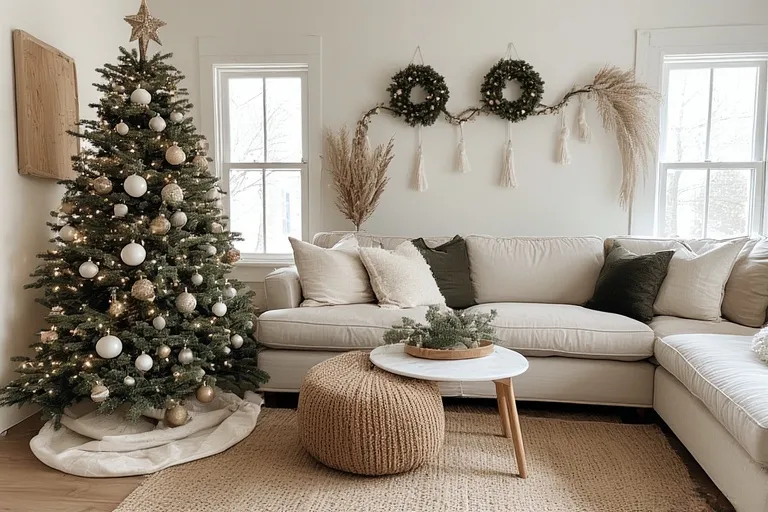
Minimalist Christmas tree ideas focus on simplicity, balance, and intentional decorating choices that create a peaceful seasonal atmosphere. This approach emphasizes quality over quantity, removing excess visual clutter to make the tree the focal point. Using neutral palettes, natural materials, and clean lines helps achieve a refined holiday aesthetic. Thoughtful ornament selection ensures each decoration supports harmony and cohesion.
Minimalist Christmas tree design work beautifully in modern homes, small spaces, and open interiors. By keeping designs simple, the tree can feel festive without appearing overwhelming or overly ornate. Clean lines and carefully chosen accents highlight the tree’s natural beauty. With mindful planning, the result is a warm, stylish, and timeless holiday display.
Understanding Minimalist Holiday Styling

Minimalist holiday styling is rooted in the idea of intentional design. Instead of filling every branch, the focus is placed on spacing, proportion, and visual flow. This approach allows each decorative element to stand out while supporting a calm overall look. Minimalism does not mean bare or cold; it emphasizes warmth through subtle details. You have to look Flocked Christmas Tree Decor
A minimalist Christmas tree often highlights natural textures such as wood, linen, ceramic, and glass. These materials add depth without visual noise. Color palettes are typically restrained, leaning toward whites, soft neutrals, muted greens, or gentle metallics. The result is a tree that feels cohesive and soothing.
This decorating style also aligns well with sustainable living. Using fewer decorations encourages reuse, thoughtful purchasing, and long-term design planning. A minimalist tree becomes a reflection of personal style rather than a display of excess.
Choosing the Right Tree Shape and Size

Tree selection plays a major role in achieving a minimalist look. Slim or pencil-shaped trees are especially effective in modern spaces because they maintain elegance without dominating the room. Full trees can also work if they are styled with restraint and careful spacing.
Artificial trees with realistic branches offer consistency and long-term use, while natural trees provide organic charm and subtle imperfections that suit minimalist design. Sparse branches are often preferred because they allow ornaments to breathe and prevent overcrowding.
Height should be chosen based on room proportions. A tree that fits comfortably within the space enhances balance and prevents visual tension. Minimalist design favors harmony between the tree, furniture, and surrounding decor.
Minimalist Christmas Tree Ideas for Modern Homes
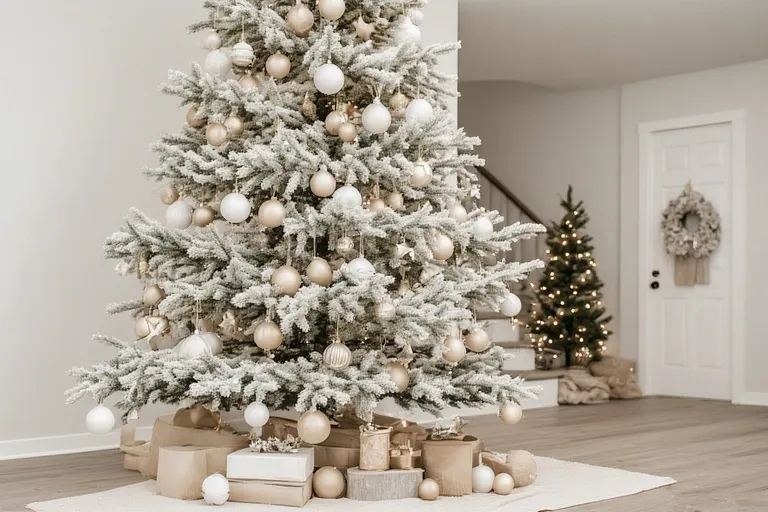
Minimalist Christmas tree design emphasize clarity, balance, and refined simplicity rather than elaborate decoration. A modern minimalist tree often features a limited color scheme, such as white and green or beige and gold. This restrained palette creates a polished look that feels intentional and serene.
Ornaments are usually consistent in size and style. Simple shapes like spheres, stars, or subtle geometric forms work best. Matte finishes are commonly chosen over high-gloss surfaces to maintain softness and visual calm. Spacing ornaments evenly across the tree allows each piece to stand out.
Tree toppers in minimalist homes tend to be understated. A single star, a sculptural metal piece, or no topper at all can complete the look. The absence of excess decoration draws attention to the tree’s natural form and structure.
Color Palettes That Support Simplicity
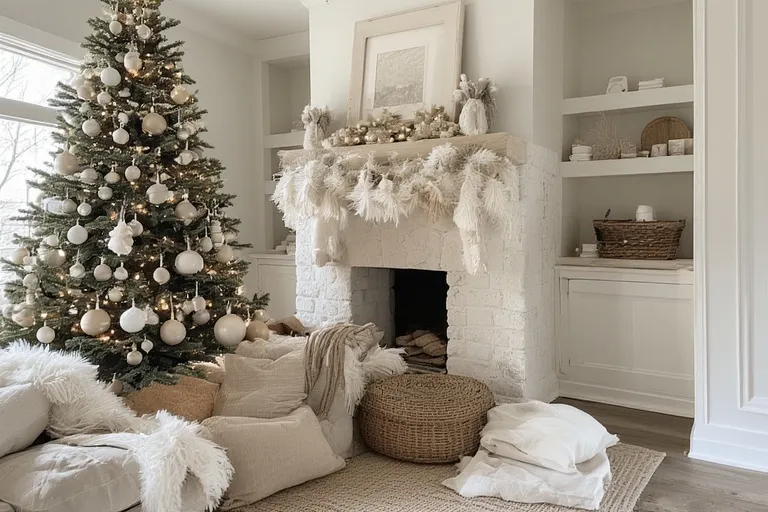
Color selection is essential in minimalist holiday decor. Neutral tones such as ivory, taupe, soft gray, and warm white are popular choices. These shades reflect light gently and create a peaceful ambiance. Green from the tree itself often acts as the primary color anchor.
Metallic accents are used sparingly to add elegance. Brushed gold, champagne, or muted silver provide subtle contrast without overpowering the design. These finishes pair beautifully with natural materials and soft lighting.
Monochromatic schemes are particularly effective in minimalist styling. Using variations of a single color adds depth while maintaining cohesion. This approach prevents visual clutter and supports a refined holiday atmosphere.
Ornament Selection and Placement
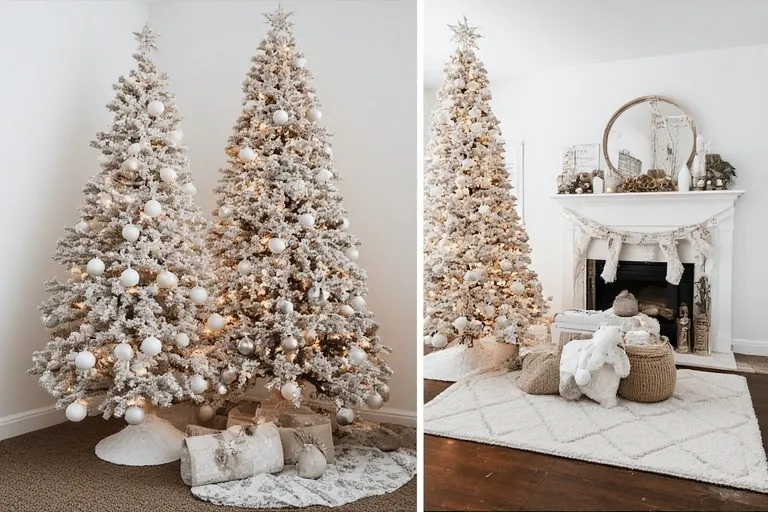
Ornaments in minimalist decor are chosen with purpose. Each piece should complement the overall theme and color palette. Handmade ornaments, ceramic figures, or simple glass baubles are popular due to their timeless appeal.
Placement is just as important as selection. Ornaments are spaced evenly and deliberately rather than clustered. This technique allows negative space to play a role in the design, enhancing visual clarity. The tree appears lighter, airier, and more balanced.
Using fewer ornaments also highlights craftsmanship and detail. Each decoration becomes a focal point rather than blending into a crowded display. This intentional approach elevates the overall aesthetic.
Lighting Techniques for a Soft Glow

Lighting defines the mood of a minimalist Christmas tree. Warm white lights are preferred because they create a gentle, inviting glow. Cool-toned lights are generally avoided as they can feel harsh and disrupt the calm aesthetic.
Lights are woven evenly throughout the branches to avoid heavy concentration in one area. The goal is a soft illumination that enhances the tree’s shape rather than overpowering it. Minimalist design values subtlety, and lighting should reflect that principle.
Battery-operated or thin-wire lights help maintain a clean look by reducing visible cords. When possible, hiding power sources supports the uncluttered appearance that minimalist decor aims to achieve.
Natural and Sustainable Decorative Elements
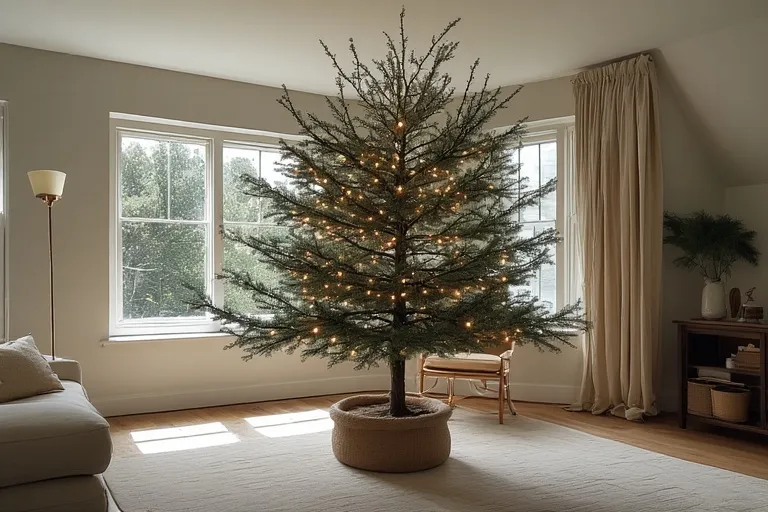
Sustainability aligns naturally with minimalist values. Decorations made from wood, dried citrus, pinecones, or fabric add warmth and texture without excess. These elements connect the tree to nature and bring an organic feel to the space.
Reusable ornaments and neutral designs remain stylish year after year. Investing in timeless pieces reduces waste and supports thoughtful decorating habits. Minimalist trees often evolve slowly, with curated additions rather than frequent replacements.
Eco-friendly decor also enhances authenticity. Natural imperfections and subtle variations contribute to a relaxed, welcoming holiday environment that feels personal and grounded.
Minimalist Tree Skirts and Bases
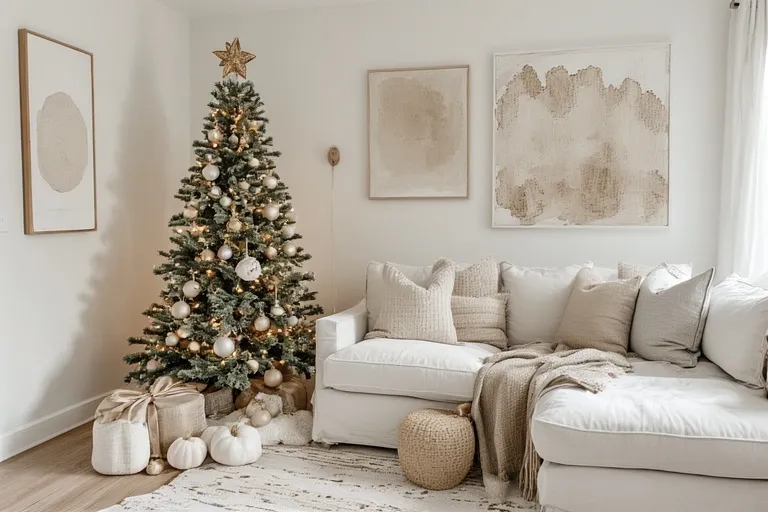
The base of the tree is an important finishing detail. Minimalist tree skirts are typically simple in design and material. Linen, wool, woven baskets, or plain cotton fabrics work well in neutral tones.
Avoid overly decorative skirts with bold patterns or heavy textures. A clean, understated base complements the overall design and keeps attention on the tree itself. The base should feel integrated rather than decorative on its own.
Tree collars made from metal or wood are also popular in minimalist interiors. They provide a structured look and conceal the stand neatly, contributing to a polished appearance.
Decorating Small Spaces with Minimalism
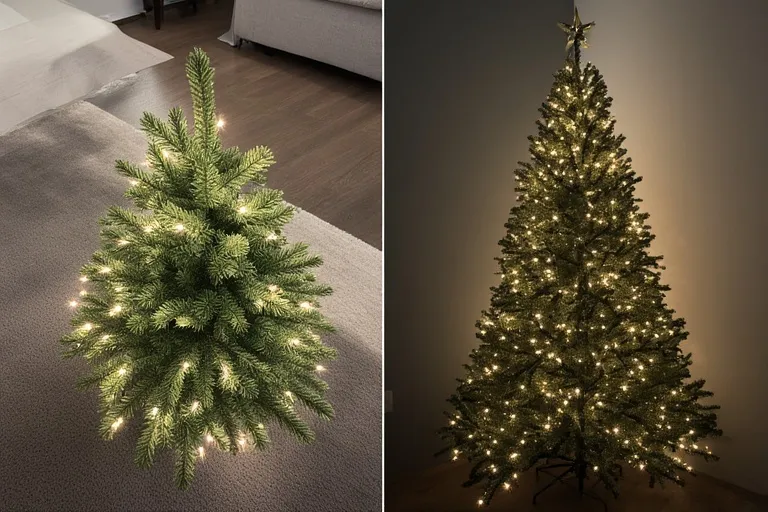
Minimalist Christmas trees are especially suitable for small spaces. Tabletop trees, wall-mounted trees, or corner placements offer festive charm without overwhelming the room. These options allow holiday decorating while maintaining openness and functionality.
Compact trees benefit from limited ornamentation and careful placement. Using light colors and soft lighting helps visually expand the space. Minimalist design ensures that even small trees feel intentional and stylish.
This approach supports flexibility and adaptability, making it ideal for apartments, studios, or shared living areas.
Creating a Cohesive Holiday Interior
A minimalist Christmas tree should feel connected to the rest of the home. Coordinating colors and materials with existing decor enhances visual flow. Neutral furniture, natural textures, and simple accessories complement the tree effortlessly.
Avoid introducing conflicting styles or overly festive items nearby. Minimalism relies on consistency and balance across the space. Candles, simple garlands, or subtle wreaths can echo the tree’s design without competing for attention.
This cohesive approach creates a calming holiday environment that feels curated rather than crowded.
Conclusion
Minimalist Christmas tree ideas offer a refined approach to holiday decorating that prioritizes balance, intention, and timeless style. By focusing on thoughtful ornament selection, restrained color palettes, and natural materials, it becomes easy to create a tree that feels festive without excess. This decorating style supports calm living spaces and encourages mindful design choices. With simplicity as the guiding principle, a minimalist tree brings warmth, elegance, and lasting appeal to the holiday season.
What defines a minimalist Christmas tree?
A minimalist Christmas tree features simple decor, limited colors, balanced spacing, and intentional ornament placement for a clean, calm appearance.
Which colors work best for a minimalist Christmas tree?
Neutral shades like white, beige, soft gray, muted green, and subtle metallics support a refined and cohesive minimalist look.
Can minimalist Christmas tree ideas work in small spaces?
Minimalist Christmas tree ideas suit small spaces perfectly by using slim trees, fewer ornaments, and light colors to maintain openness.
What type of ornaments suit minimalist styling?
Simple ornaments made of glass, ceramic, wood, or fabric with consistent shapes and muted finishes align well with minimalist decor.
Are natural elements suitable for minimalist Christmas trees?
Natural elements such as pinecones, dried oranges, wood accents, and linen ribbons add warmth while maintaining simplicity.
One Comment