
Modular Eco Furniture: 7 Living, Naturally Inspired
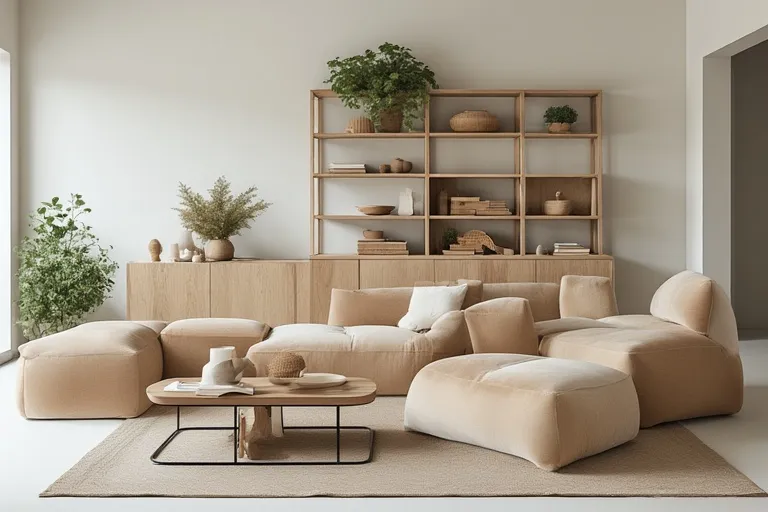
Modular eco furniture is redefining how we approach home design by combining sustainability, functionality, and style. This innovative furniture concept focuses on adaptable layouts, eco-friendly materials, and long-lasting durability. Perfect for modern lifestyles, it allows spaces to evolve as needs change without compromising on aesthetics. Choosing modular furniture means creating a home that’s both responsible and comfortable.
The appeal of modular furniture lies in its balance of practicality and environmental mindfulness. Each piece is designed to reduce waste while offering maximum flexibility in arrangement and use. From expandable sofas to customizable shelving units, these designs adapt effortlessly to any room. Homeowners gain not just versatile furniture but also a sense of contributing to a more sustainable lifestyle.
Understanding the Value of Modular Eco Furniture
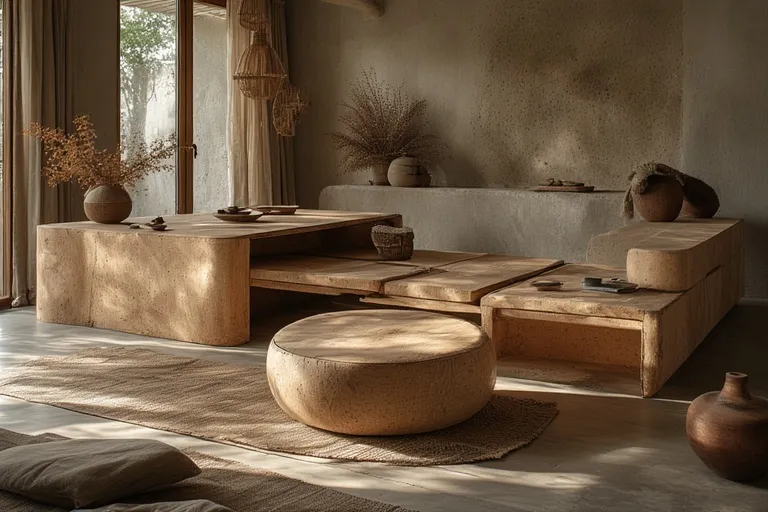
The growing interest in adaptable furnishings marks a clear transformation in how people interact with their environments. Homes today serve multiple roles: workspace, retreat, social hub, and creative corner. Furniture that can be rearranged or expanded supports this dynamic rhythm. The modular concept allows individuals to adjust layouts without replacing entire sets, which reduces waste and keeps materials in use for longer periods.
Designers who specialize in sustainable interiors pay close attention to material life cycles. Pieces crafted from bamboo, reclaimed wood, cork, recycled plastics, or biodegradable composites carry smaller environmental footprints compared to resource-heavy alternatives. These materials often require less water, less energy, or fewer chemicals during production. They are also chosen for strength, which extends the lifespan of each component and decreases the frequency of disposal; otherwise, you have to see Eco Futuristic Architecture.
The modular structure adds another layer of benefit. Instead of purchasing large fixed items, people can combine interchangeable parts that fit a room’s proportions. When moving to a new home or shifting a room’s purpose, the same pieces can be reorganized rather than discarded. This creates long-term practicality and reduces both cost and environmental impact.
Features That Set Modular Systems Apart
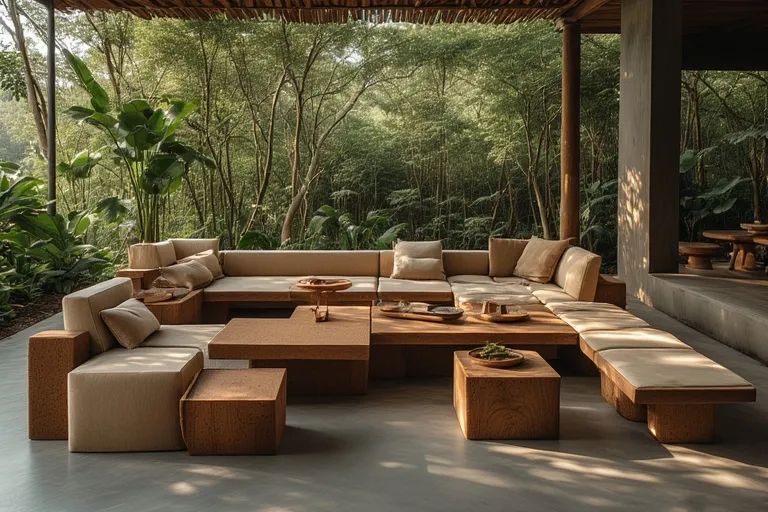
Several qualities give modular furnishings a unique advantage in sustainable living. The first characteristic is adaptability. Individual units such as seating cubes, storage blocks, and tabletop sections can be expanded or reduced with ease. A compact living area can accommodate a few essential modules, while a larger layout can integrate additional segments without disrupting the original style.
Material responsibility is another defining element. Sustainable designers look for resources that regenerate quickly, produce minimal waste, or support circular production cycles. Bamboo grows at exceptional speed, making it a popular choice. Reclaimed wood carries a sense of history while preventing usable materials from ending up in landfills. Cork offers softness and resilience, while recycled plastics give new life to previously discarded items. These options create pieces that feel warm, earthy, and naturally stylish.
Repairability plays a major role as well. In many traditional furniture styles, a single damaged corner or broken rail can render a whole item unusable. Modular systems separate components so that one part can be replaced or repaired without discarding the entire structure. This approach supports responsible consumption and keeps furniture in service for far longer.
Efficient shipping and storage also contribute to sustainability. Modular pieces often ship in flat or compressed forms that require less space, which lowers transportation emissions. Their lightweight sections make assembly simple and reduce the need for tools or heavy handling.
Bringing Modular Sustainability Into Everyday Spaces
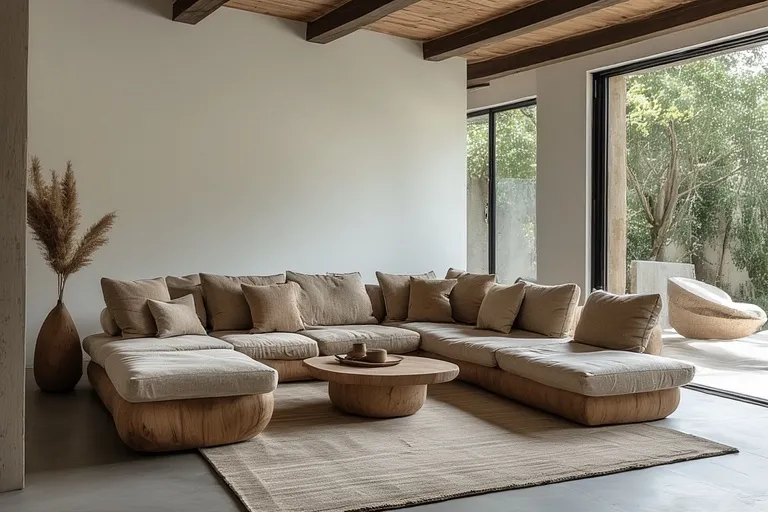
Sustainable modular furnishings fit naturally into many environments, from small apartments to spacious homes. In living rooms, modular seating offers remarkable versatility. A set of interconnected cushions or blocks can serve as a cozy sofa, an open lounge area, or separate chairs for gatherings. When guests visit, the layout can expand; during quieter evenings, it can condense into a compact arrangement.
In workspaces, modular desks and shelving support shifting schedules and changing needs. A desk that begins as a small corner station can later expand with additional surfaces or storage columns. This approach is especially useful for remote professionals, students, and creative individuals who require both structure and freedom.
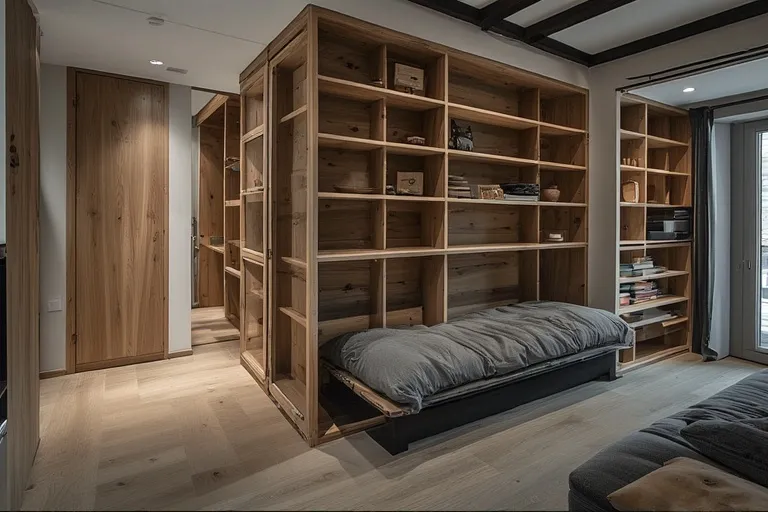
Bedrooms also benefit from modular features. Storage units with adjustable compartments adapt easily to seasonal wardrobes. Bed frames with replaceable slats or compartments provide durability along with convenient organization. Some modular systems allow hidden storage beneath cushions or panels, keeping the room clean and clutter-free.
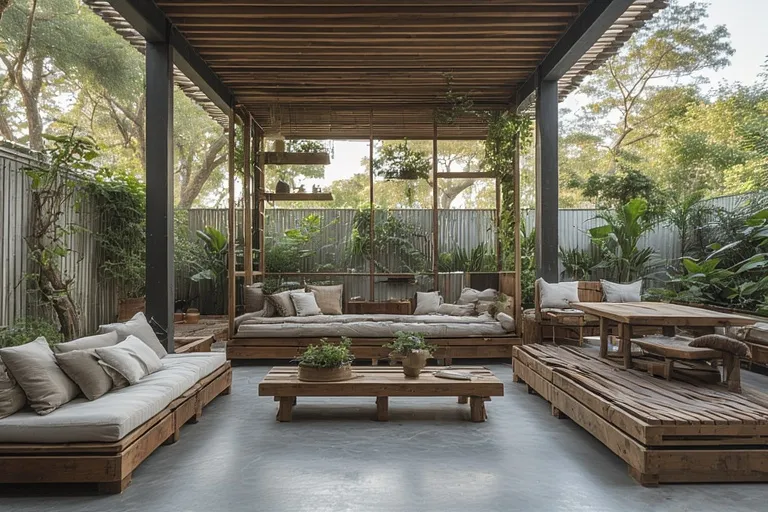
Outdoor areas can incorporate modular eco-friendly pieces crafted from weather-resistant sustainable materials. Seating clusters, elevated planters, and foldable dining setups create flexible arrangements for gatherings, quiet reading, or morning relaxation. Their modular nature ensures that each setup can shift according to the mood or event.
Choosing Sustainable Materials With Intention
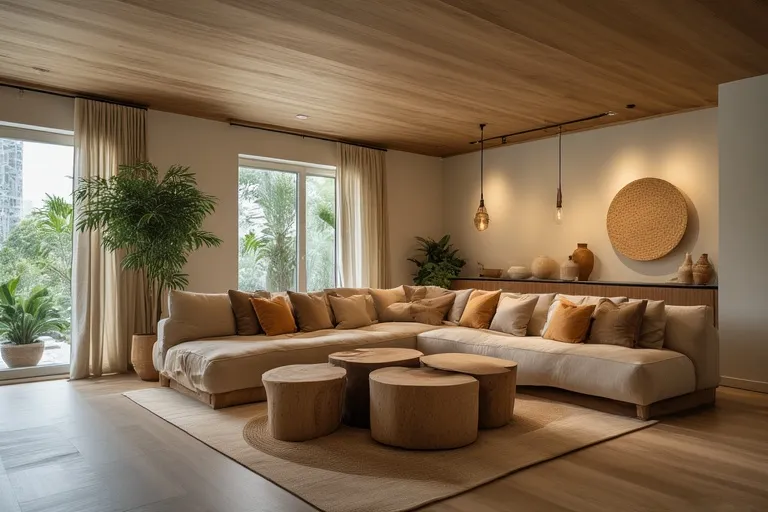
Material choice carries great weight in sustainable interior design. Bamboo, known for its natural grain patterns and surprising strength, offers stability without extensive harvesting periods. Reclaimed wood tells its own story through unique textures, knots, and patterns while reducing pressure on forests. Cork provides softness and resilience, creating surfaces for seating, flooring, or decorative panels. Recycled plastics bring contemporary design options that are durable and easy to maintain.
The thoughtful selection of finishes also matters. Natural oils, low-VOC coatings, and plant-based sealants protect materials without introducing harsh chemicals into the home. These finishes help maintain indoor air quality, which is essential for a comfortable and healthy living environment.
Well-made modular pieces also incorporate high-quality connectors and joints. Steel brackets, wooden dowels, or simple locking systems ensure stability while keeping assembly manageable. The craftsmanship behind these elements reflects a dedication to longevity and mindful design.
Supporting Local and Ethical Production
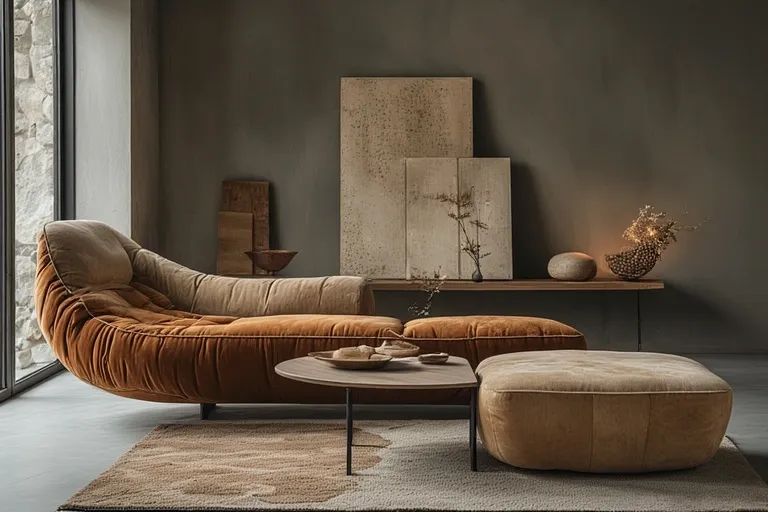
Sustainable furnishings go beyond the materials alone. Ethical production plays a major part in reducing environmental impact and supporting responsible practices. Many small studios and local workshops craft pieces by hand, prioritizing care and precision. Choosing locally made products reduces transportation distances and supports artisans who value quality over mass manufacturing.
Some companies operate under circular production models, where used modules can be returned for refurbishment, updating, or recycling. This keeps materials in circulation and creates less waste overall. A system like this encourages customers to stay connected with the brand and cultivate an appreciation for long-lasting products.
Creating a Home That Evolves Naturally
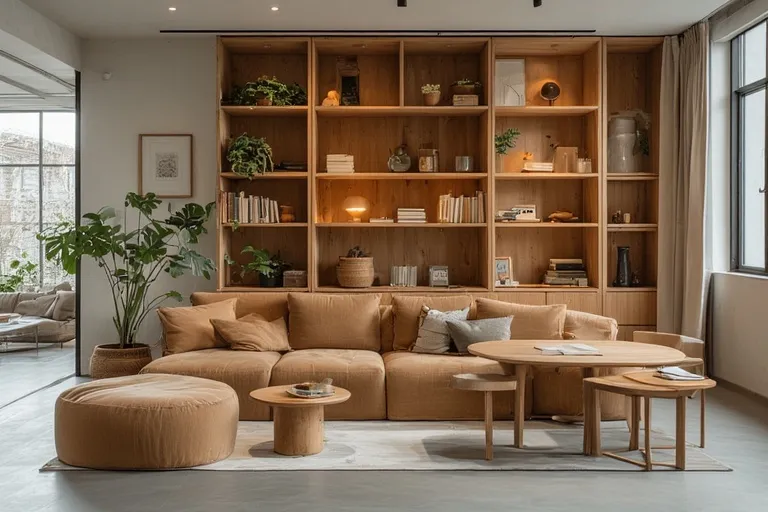
The beauty of modular sustainable pieces lies in their ability to evolve. A young professional might start with a simple layout: a few storage cubes, a basic desk, or a small seating cluster. Over time, as life brings new responsibilities, family members, or spaces, those pieces can transform and expand. Instead of replacing entire rooms of furniture, people simply reorganize what they already own or add a few complementary modules.
Designing a home with this mindset brings a sense of continuity and calm. Instead of constantly chasing trends, individuals focus on creating a personal environment shaped by intention and care. This reduces pressure on the environment and builds a deeper connection to the space itself.
Conclusion:
Choosing modular eco furniture invites a lifestyle centered around balance, resourcefulness, and thoughtful design. Each piece contributes to a living space that adapts gracefully to shifting needs while supporting responsible material use. This approach forms a meaningful connection between comfort and care for the world, allowing interiors to grow naturally with the people who call them home.
1. What makes modular eco furniture sustainable?
It uses renewable or recycled materials and allows long-term use through replaceable, adaptable components.
2. How long does modular eco furniture typically last?
High-quality modular pieces often last many years due to durable materials and repairable parts.
3. Can modular eco furniture fit small spaces?
Yes, its adaptable sections let you create layouts that fit compact rooms without wasting space.
4. Are modular systems difficult to assemble?
Most modular designs are created for easy assembly, using simple connectors and lightweight parts.
5. What materials are commonly used in modular eco furniture?
Designers often use bamboo, reclaimed wood, cork, and recycled plastics for strength and sustainability.
One Comment