
Surreal Tablescape: Astonishing Ideas to Inspire Wonder
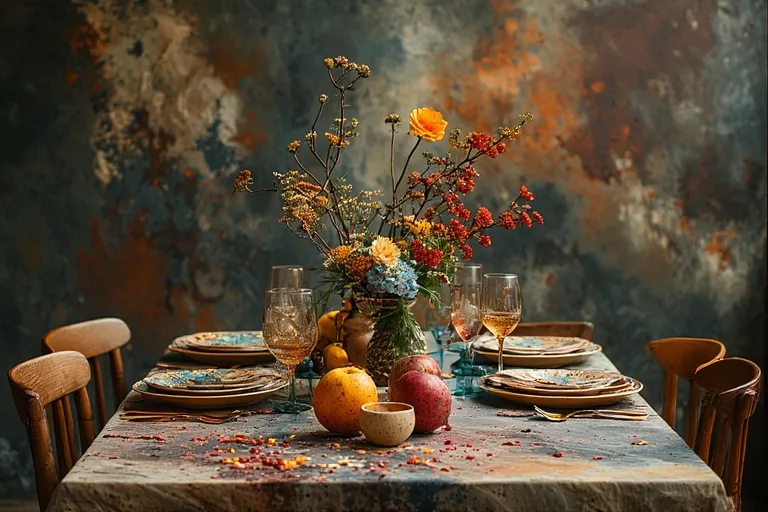
Surreal tablescape design turns an ordinary dining setup into a moment filled with imagination and artistic expression. It blends creativity, emotion, and visual storytelling to create an experience that feels far beyond a typical meal. Each detail works together to form a dreamlike atmosphere that captivates guests the moment they sit down. With the right elements, a surreal table transforms dining into an unforgettable visual journey.
Crafting a surreal table begins with embracing unexpected combinations. Mixing textures, colors, and unconventional objects allows the table to tell a unique story. This approach adds depth and character to any gathering, whether intimate or festive. By focusing on artistic balance, you can create a scene that feels both imaginative and elegantly curated.
Understanding the Essence of a Surreal Tablescape
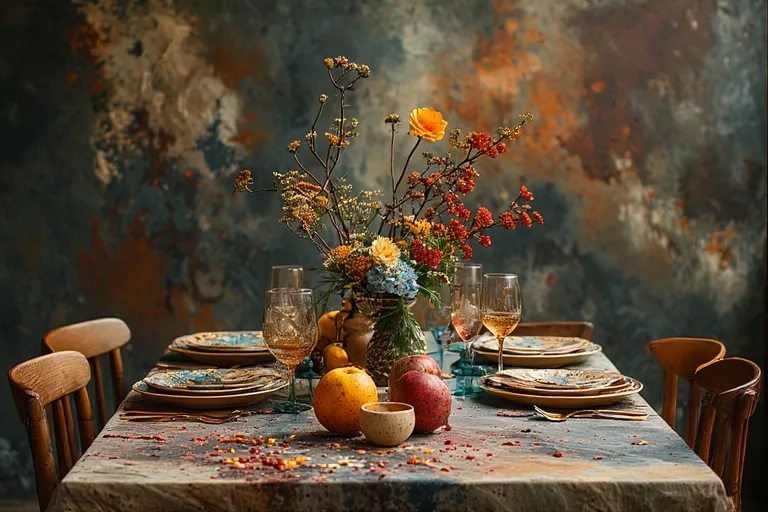
A surreal table is an artistic arrangement that leans into imagination. Instead of following traditional dining rules, it breaks boundaries by blending fantasy, texture, scale, and mood. The result is a tabletop that feels immersive and expressive rather than predictable. It often incorporates elements that spark curiosity—oversized accents, contrasting textures, symbolic objects, layered heights, and lighting that shapes the mood.
This approach is not about being chaotic. Instead, it sets a visual narrative. Think of it as creating a scene from a dream, where each component quietly tells a story and every detail pulls the viewer deeper into the experience. From unusual centerpiece selections to symbolic objects scattered throughout the arrangement, the entire setup becomes a conversation starter.
Designing Through Emotion and Concept
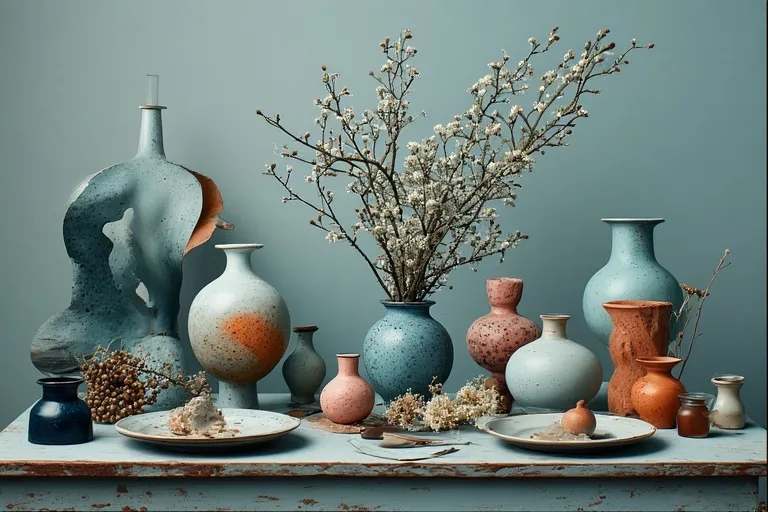
A strong surreal dining experience starts with emotion. Instead of choosing items based simply on color or style, the guiding point is how the setup should make someone feel. Some tablescapes evoke calm, soft dreaminess through muted palettes and airy textures. Others aim for a mysterious or theatrical atmosphere with deep tones, reflective surfaces, and bold structures.
Working concept-first helps in selecting each piece. For instance:
- A theme built around whimsy may include playful shapes, floating elements, or miniature sculptures.
- A mood centered on nostalgia might draw on vintage textures, antique ceramics, or faded metallics.
- A more avant-garde direction could feature abstract forms, asymmetrical arrangements, or fragmented objects placed in unexpected positions.
This emotional grounding leads to a more cohesive and meaningful display, ensuring every item feels intentional. You have to Gravity-Defying Centerpiece
The Power of Contrast
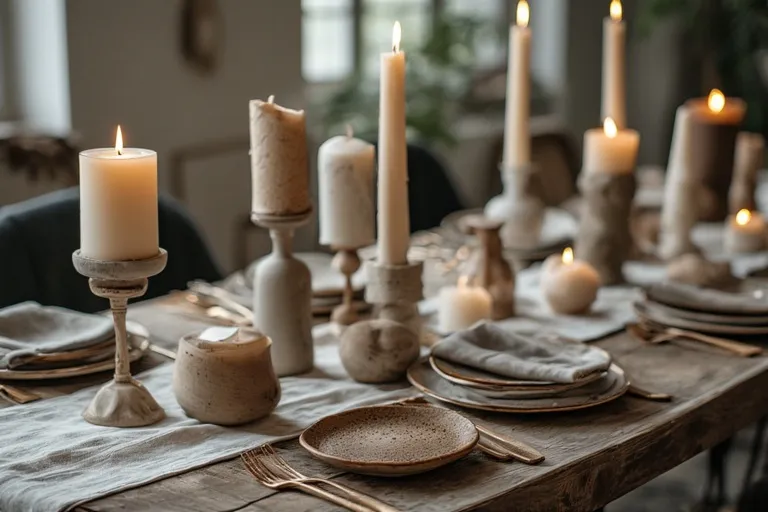
Contrast is one of the defining traits of dreamlike dining arrangements. When used thoughtfully, it brings depth and structure to the overall composition. Contrast doesn’t only refer to colors—it can come from texture, scale, form, or even temperature.
Here are some impactful ways to use contrast:
- Scale: pairing oversized candleholders with tiny ceramic figurines.
- Texture: mixing smooth glass with rugged stone or matte ceramics.
- Color: setting muted tones beside one bold accent to draw attention.
- Shape: placing round objects near angular forms for visual balance.
These contrasts create a dynamic scene that encourages the eye to travel across the table. Guests will naturally explore the elements and appreciate the intentional mismatched harmony.
Sculptural Centerpieces With a Story
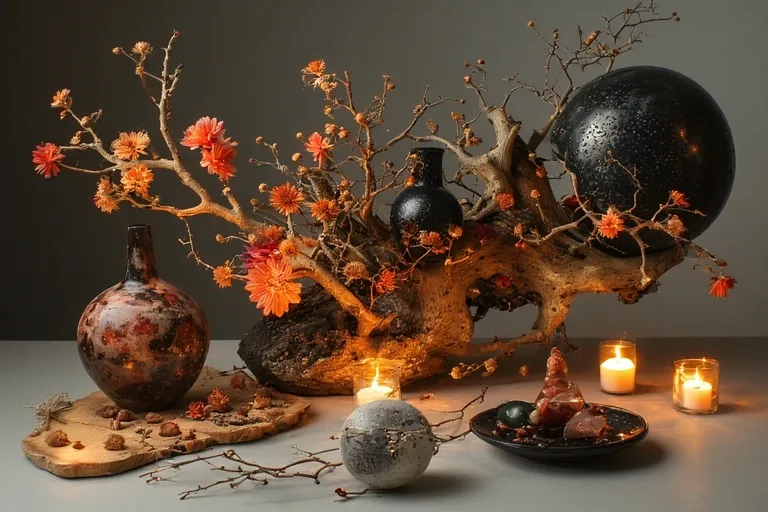
A surreal design approach often features a centerpiece that feels sculptural. It doesn’t need to be one single piece; it can be a collection of objects arranged like an art installation. Branches positioned in dramatic angles, floating floral arrangements, oddly shaped pottery, or reflective ornaments layered among each other all help build a centerpiece that becomes the storytelling anchor.
Lighting also plays a significant part. Soft, diffused light can make objects appear mysterious, while strategically placed candles create shadows that amplify the artistic mood. Even unconventional lighting sources—like tiny LED strands woven through organic elements—help shape a more immersive feel.
Layering Materials With Intention
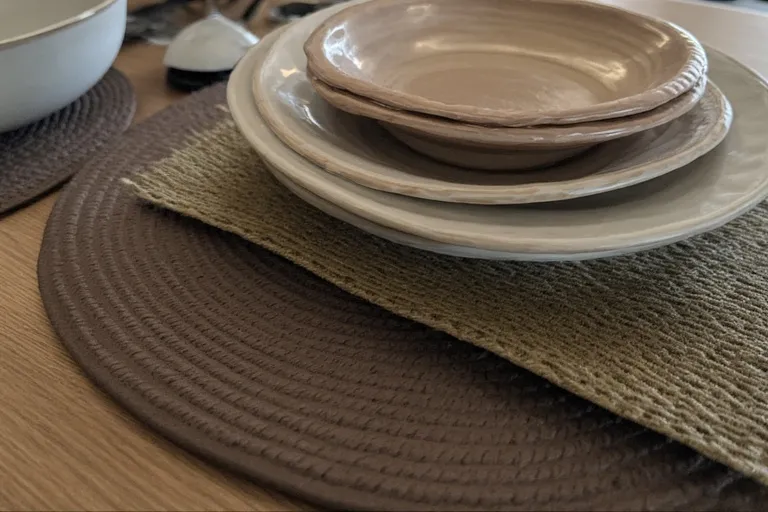
Layering is key when creating complexity. Here, the goal is not clutter but thoughtful placement. Start with the surface and build upward. Each layer should contribute to dimension rather than overwhelm it.
Some effective layering elements include:
- Linen in soft waves rather than sharp folds
- Handcrafted ceramics with slight imperfections that add character
- Textured placemats that complement instead of compete
- Stacked plates with varying tones to create visual depth
In surreal styling, every layer counts. Even the smallest detail—a napkin ring, a decorative bead, a tiny piece of glass—adds to the mood. Rather than filling space, every element enriches the experience.
Playing With Symbolic Objects
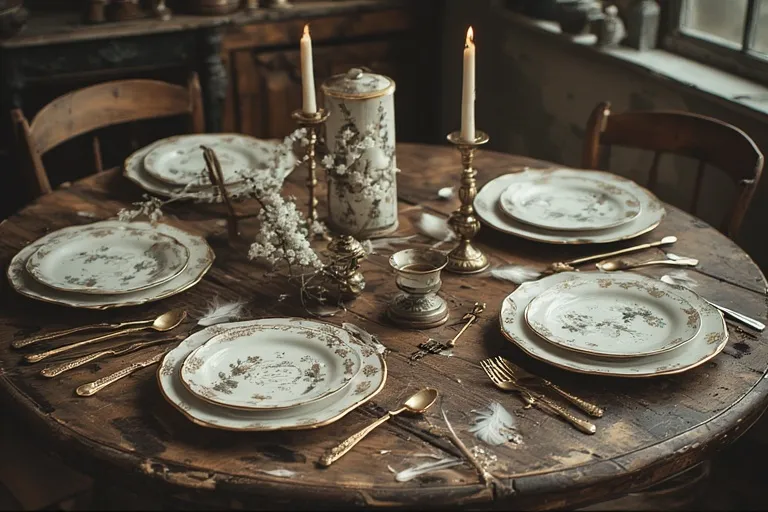
Symbolism is at the heart of surreal styling. Objects carry meaning, and when placed intentionally, they spark curiosity or evoke emotion. A table sprinkled with feathers might hint at freedom or softness. A clock without hands could represent timelessness. Vintage keys may suggest hidden stories. Even small mirrors can reflect light in unpredictable ways, creating an otherworldly shimmer.
The key is subtlety. Symbolic objects should feel like part of the narrative rather than props. When woven naturally into the composition, they elevate the table from aesthetic to poetic.
Color Palettes That Shape Mood
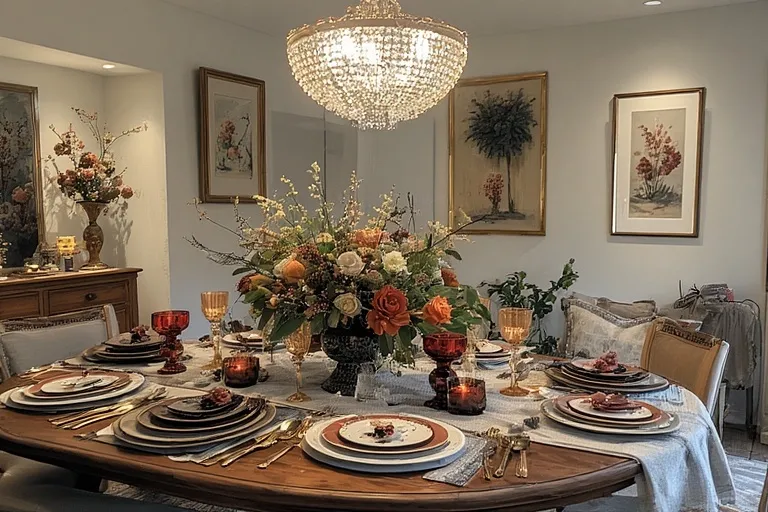
Color is one of the strongest emotional tools. Soft neutrals mixed with metallics can create a refined, dreamlike landscape. Deep jewel tones paired with black accents introduce a more dramatic and enchanted feel. On the other hand, bright, saturated hues can bring a playful, surreal energy that feels joyful and artistic.
A good strategy is choosing a dominant color family and surrounding it with complementary or contrasting tones. This adds harmony while still allowing bolder accents to shine. When done well, color becomes one of the most memorable elements of the tablescape.
Harmonizing Function and Fantasy
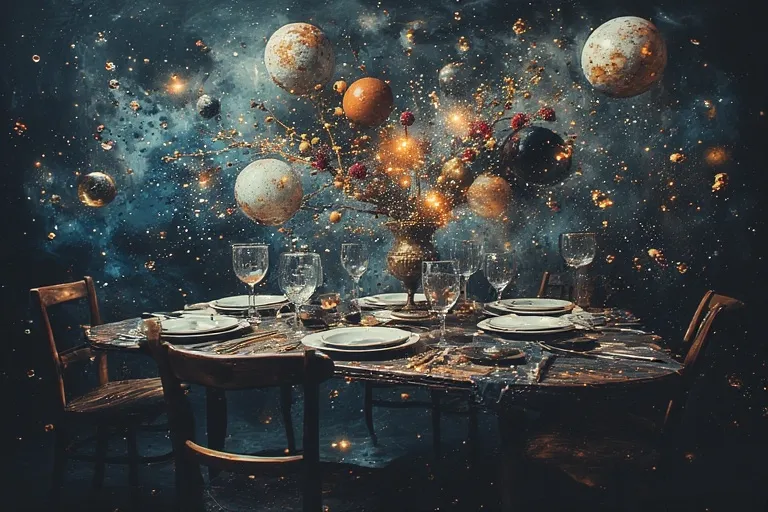
While surrealism celebrates creativity, the table should still remain functional. Plates, glasses, and utensils must be accessible and comfortable for guests to use. This balance is achieved by keeping the imaginative elements primarily around the perimeter or elevated above eye level. Floating pieces, tall centerpieces, or sculptural accents positioned off-center can maintain visual impact without disrupting the dining experience.
Guests should feel both intrigued and welcomed. A surreal approach works best when the table remains inviting rather than overwhelming.
The Role of Nature in Fantasy-inspired Dining
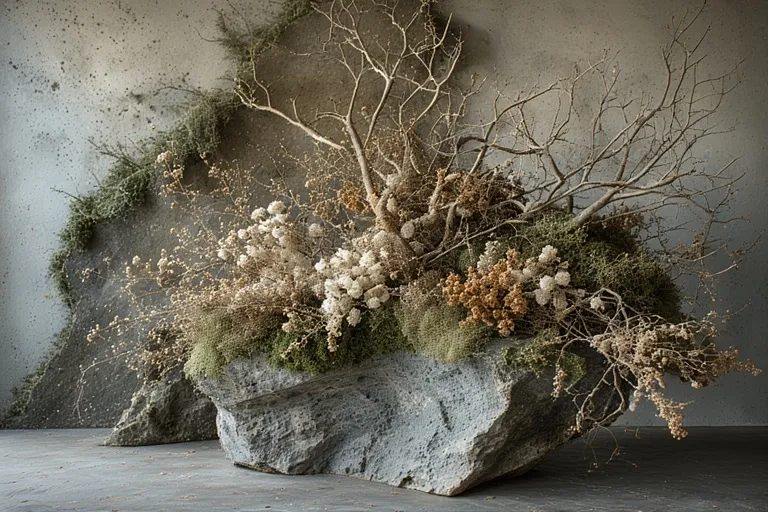
Natural elements ground the more imaginative aspects of the composition. Dried branches, airy florals, mossy textures, and stone-like surfaces bring an organic layer that softens the artistic intensity. Nature helps bridge the gap between fantasy and reality. It enhances the story without losing the warmth and familiarity that make a dining space feel approachable.
Even a simple cluster of leaves or an unusual floral arrangement can elevate the dreamlike tone. Nature supports the narrative by adding life, texture, and gentle irregularity.
Conclusion:
Creating a surreal tablescape is less about strict rules and more about shaping an experience that feels expressive and memorable. When design blends emotion, symbolism, layered textures, and imaginative contrasts, an ordinary dining moment becomes an artistic encounter. This approach invites guests to look closer, appreciate the details, and connect with the story that unfolds across the table. Through thoughtful choices and creative vision, any dining space can become a canvas for a moment that feels beautifully out of the ordinary.
What is a surreal tablescape?
A surreal tablescape is a table design featuring imaginative, dreamlike, and unexpected elements.
How can I create a surreal tablescape at home?
Use unusual colors, textures, and decor pieces to create a visually striking table setup.
What types of decor work well for surreal tablescapes?
Bold patterns, quirky centerpieces, abstract art, and unexpected tableware work best.
Can surreal tablescapes be used for formal events?
Yes, they can add a unique and artistic touch to formal dinners or themed parties.
How do I balance colors in a surreal tablescape?
Combine contrasting hues thoughtfully and use neutral tones to anchor the design.
One Comment