
Sustainable Furniture Ideas: Simple Steps to Go Green
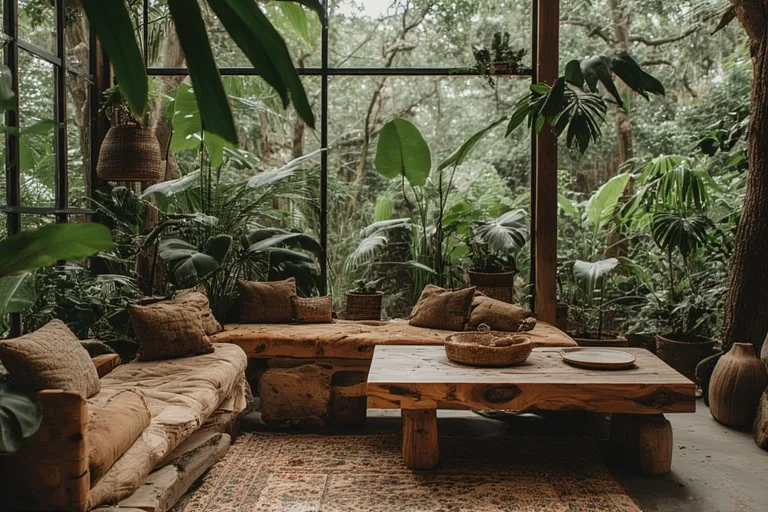
In today’s eco-conscious world, sustainable furniture ideas are transforming the way we design, decorate, and live in our homes. People are now seeking ways to reduce waste, support ethical production, and create stylish spaces that don’t harm the planet. From reclaimed wood tables to bamboo chairs and recycled metal accents, sustainable design is not just a trend—it’s a responsibility and a lifestyle shift toward greener living.
Why Sustainable Furniture Matters
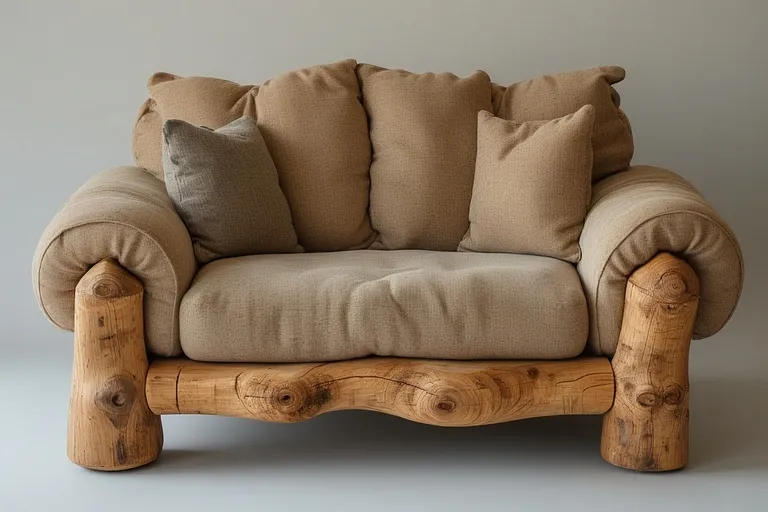
Sustainability in furniture design goes far beyond using eco-friendly materials. It’s about rethinking how furniture is made, how long it lasts, and what happens to it when it’s no longer needed. The furniture industry has traditionally been resource-intensive, often relying on nonrenewable materials, harmful finishes, and mass production. Sustainable furniture, on the other hand, prioritizes:
- Renewable resources (like bamboo or cork)
- Low-impact manufacturing (less water and energy use)
- Recycled or upcycled materials
- Ethical labor practices
- Longevity and repairability
By choosing sustainable furniture, homeowners contribute to a circular economy, reduce carbon emissions, and promote better environmental stewardship. You want to see a bedroom makeover on a budget
The Principles of Sustainable Furniture Design
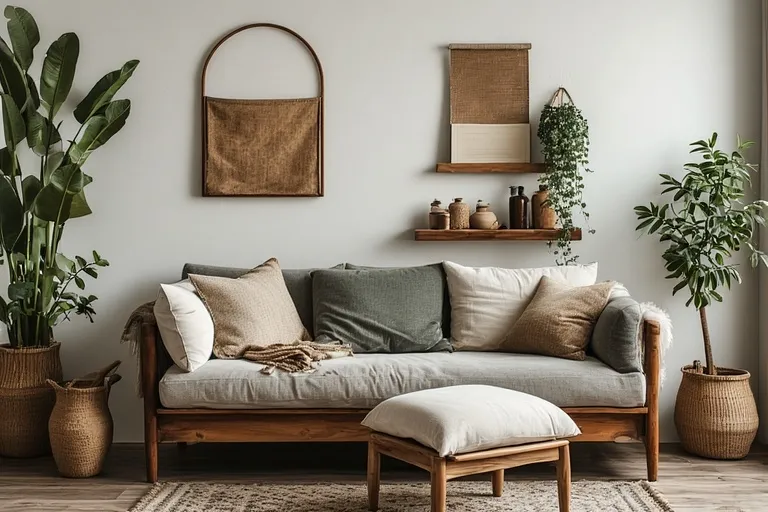
- Eco-Friendly Materials
The foundation of sustainability begins with materials. Reclaimed wood, recycled metals, and responsibly sourced fabrics form the core of eco-conscious furniture design. Instead of virgin plastics or synthetic fibers, designers now use biodegradable and renewable options like hemp, rattan, jute, and organic cotton. - Durability Over Quantity
A key element of sustainability is longevity. Well-built furniture that lasts decades, not years, reduces waste and saves money over time. The “buy once, buy well” mindset encourages investing in quality craftsmanship instead of fast furniture. - Minimal Environmental Impact
Sustainable production processes aim to minimize energy use, water waste, and harmful chemical emissions. Many brands now adopt carbon-neutral manufacturing and environmentally safe finishes. - Ethical Sourcing
Ethical production ensures fair wages, safe working conditions, and respect for local communities involved in the supply chain. Transparency in sourcing and manufacturing practices builds trust with conscious consumers. - Recyclability and Upcycling
When furniture reaches the end of its life cycle, its materials should be recyclable or biodegradable. Upcycling—repurposing old furniture into something new—is an increasingly popular way to give materials a second life.
Inspiring Sustainable Furniture Ideas for Every Room
Let’s explore creative ways to integrate sustainability into different areas of your home without compromising on aesthetics or comfort.
1. Living Room
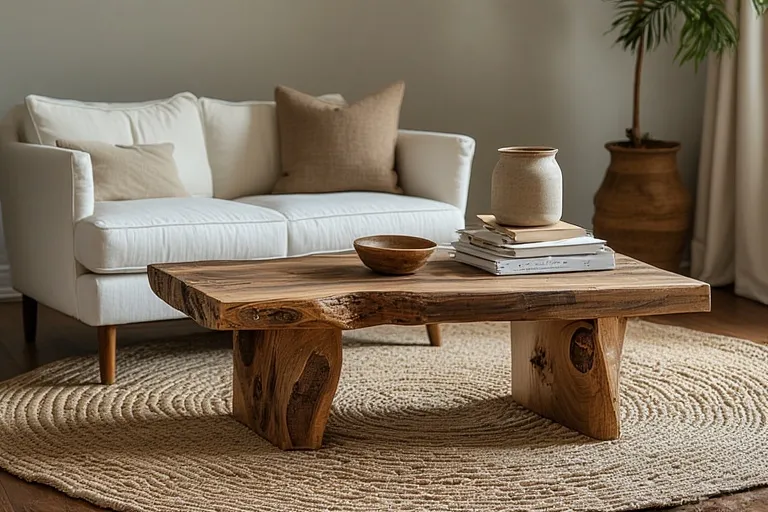
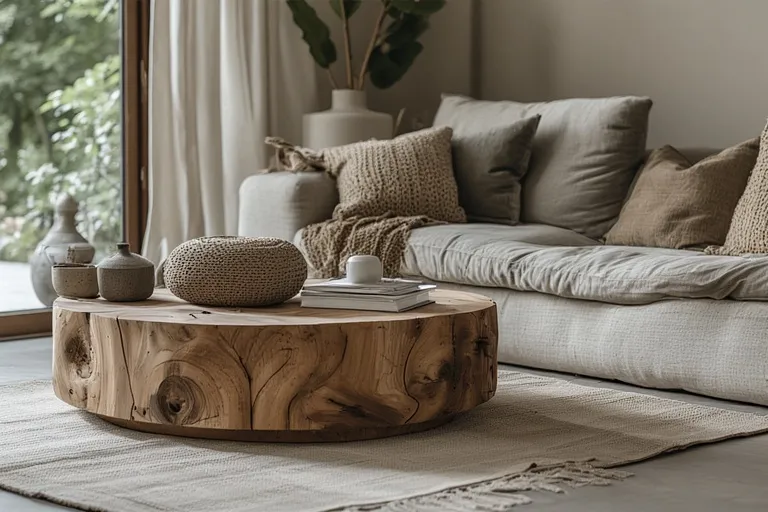
- Reclaimed Wood Coffee Tables: These pieces add character and warmth while preventing deforestation.
- Organic Cotton Upholstery: Choose sofas and chairs made with non-toxic dyes and organic fabrics for cleaner indoor air.
- Natural Fiber Rugs: Sisal, jute, and wool rugs provide durability and biodegradability.
2. Bedroom
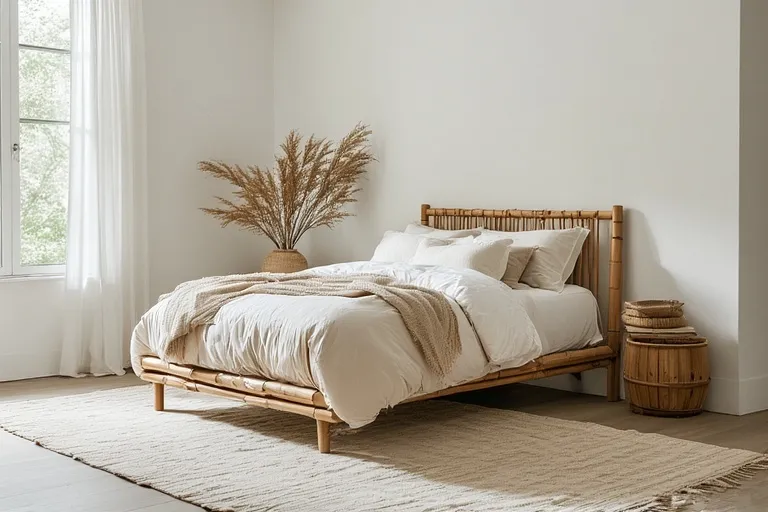
- Bamboo Bed Frames: Bamboo grows rapidly without chemicals, making it one of the most sustainable materials.
- Recycled Mattress Materials: Eco-conscious brands use natural latex, organic cotton, and wool for sustainable sleep solutions.
- Upcycled Dressers and Nightstands: Restore vintage furniture instead of buying new—both eco-friendly and cost-effective.
3. Dining Area
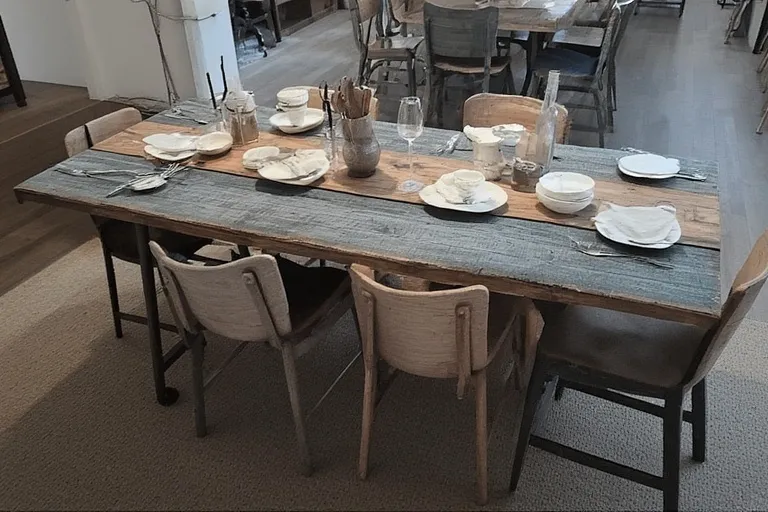
- Reclaimed Wood Dining Tables: Each table tells a story with its imperfections, knots, and natural beauty.
- Sustainable Seating: Chairs crafted from FSC-certified wood or recycled metals bring authenticity and responsibility together.
- Handcrafted Ceramics: Locally made dinnerware supports artisans and reduces shipping emissions.
4. Home Office

- Recycled Plastic Chairs: Many modern office chairs are now made from recycled ocean plastics.
- Adjustable Wooden Desks: Opt for responsibly sourced wood and ergonomic design for comfort and sustainability.
- Energy-Efficient Lighting: LED desk lamps reduce electricity use while providing quality illumination.
5. Outdoor Spaces
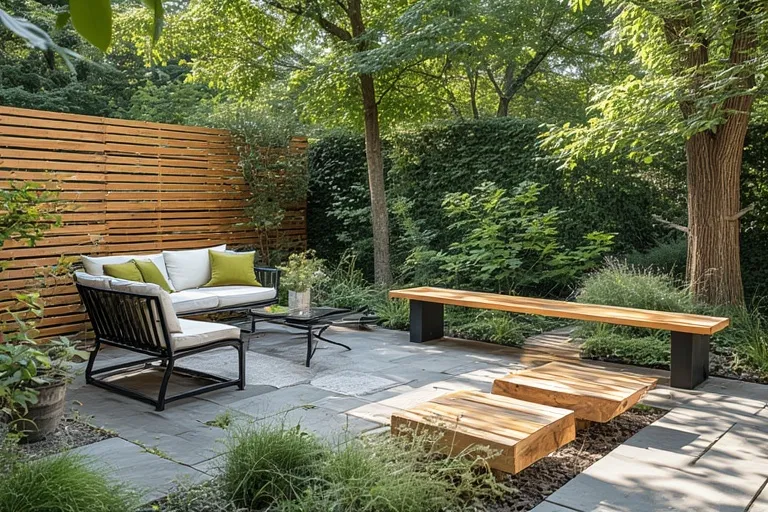
- Recycled Metal Furniture: Durable and weather-resistant, perfect for patios and balconies.
- Sustainable Wood Benches: Teak or acacia from certified forests withstands outdoor conditions naturally.
- Solar Lighting: Use solar-powered lamps or string lights to brighten your garden sustainably.
How to Identify Truly Sustainable Furniture
With so many brands claiming to be “eco-friendly,” it’s important to verify authenticity. Look for these certifications and standards when shopping:
- FSC (Forest Stewardship Council) – Ensures wood is responsibly sourced.
- GREENGUARD Certification – Indicates low chemical emissions for healthier indoor air.
- OEKO-TEX Standard 100 – Confirms textiles are free from harmful substances.
- Cradle to Cradle Certified™ – Evaluates environmental and social performance across product lifecycles.
Reading product labels and researching company transparency can help you make well-informed, ethical choices.
Tips for Creating a Sustainable Home
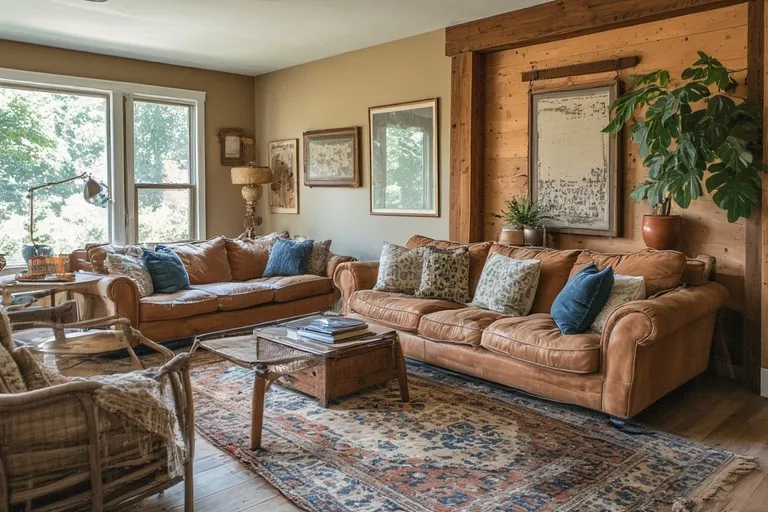
- Buy Less, Choose Well: Focus on quality, not quantity. Invest in timeless pieces that won’t go out of style.
- Support Local Artisans: Handcrafted items made locally reduce transportation emissions and support small businesses.
- Repurpose What You Have: Old furniture can often be sanded, repainted, or refinished to give it new life.
- Opt for Modular Designs: Modular furniture can be adjusted, repaired, or expanded instead of replaced.
- Think Long-Term: Before buying, consider how long you’ll use the piece and whether it can be recycled later.
Sustainable Furniture Trends and Beyond
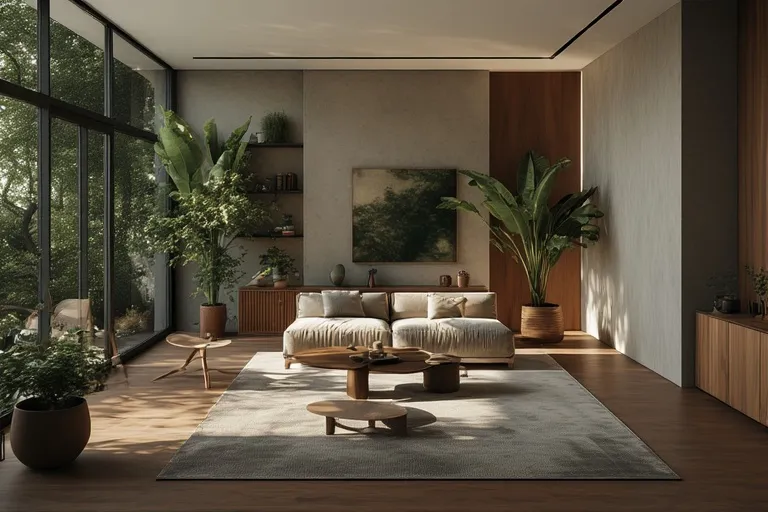
The future of interior design lies in blending sustainability with modern innovation. Some exciting trends include:
- 3D-Printed Furniture Using Recycled Materials: Reduces waste and allows creative customization.
- Plant-Based Resins: Replacing petroleum-based plastics with natural alternatives.
- Circular Design: Products designed to be easily disassembled and recycled at the end of their lifecycle.
- Biophilic Design: Incorporating natural elements into interiors to improve well-being and connection to nature.
These innovations are reshaping how we think about furniture—from something disposable to something designed for life.
Conclusion
Sustainable furniture ideas not only help protect the planet but also inspire a mindful way of living. Every eco-friendly decision—whether it’s choosing a bamboo chair, refurbishing an old dresser, or buying from an ethical brand—contributes to a cleaner, greener future. Sustainable design is about balance: comfort, beauty, and responsibility working together to create spaces that feel as good as they look. By embracing conscious choices in furniture and décor, you’re not just designing a home—you’re designing a legacy of sustainability.
1. What is sustainable furniture?
Sustainable furniture is made from eco-friendly, renewable, or recycled materials with minimal environmental impact.
2. Why is sustainable furniture important?
It helps reduce waste, conserve resources, and promote ethical, long-lasting design choices.
3. What materials are used in sustainable furniture?
Common materials include reclaimed wood, bamboo, recycled metals, and organic fabrics.
4. How can I identify sustainable furniture?
Look for certifications like FSC, GREENGUARD, and OEKO-TEX to ensure eco-friendly production.
5. Is sustainable furniture more expensive?
It can cost more upfront but lasts longer, making it more cost-effective over time.
One Comment