
Sustainable Home Decor: 8 Effective Tips for Greener Living
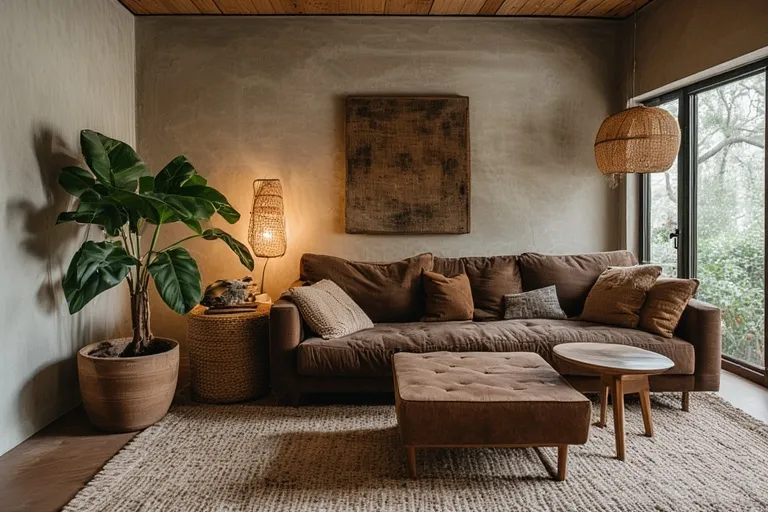
Sustainable home decor is transforming modern living by combining style with environmental responsibility. This approach focuses on selecting furniture, textiles, lighting, and decorative accents that are eco-friendly, durable, and ethically produced. Every choice in your home can reflect a commitment to the planet without sacrificing comfort or aesthetics. From natural materials to upcycled finds, sustainable design allows you to create spaces that feel beautiful and purposeful.
Designing with sustainability in mind inspires creativity and long-term thinking. It encourages mixing timeless pieces with resourceful, eco-conscious solutions to build a home that evolves gracefully over time. Thoughtful color palettes, multifunctional furniture, and energy-efficient lighting can all enhance the style while minimizing environmental impact. By prioritizing quality and durability, you reduce waste and foster a more mindful living space.
Understanding Sustainable Home Decor
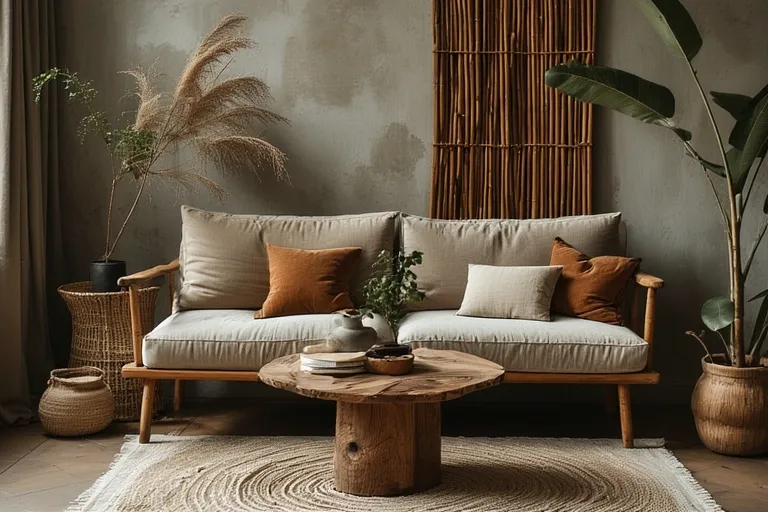
Sustainable house decor encompasses products and practices that prioritize environmental responsibility throughout their lifecycle. This includes sourcing materials responsibly, minimizing waste, and supporting brands that adhere to ethical labor standards. A key principle is durability: choosing items that last longer rather than contributing to the disposable culture of fast furniture and trends. Just visit Recycled Materials Interior
One of the most effective ways to embrace sustainable decor is through mindful material selection. Opting for natural, renewable, or recycled materials such as bamboo, reclaimed wood, organic cotton, or recycled metals not only reduces resource consumption but also adds warmth and character to your home. Additionally, selecting multifunctional furniture pieces or modular designs increases the adaptability of your space without creating unnecessary waste.
Eco-Friendly Materials That Elevate Your Space
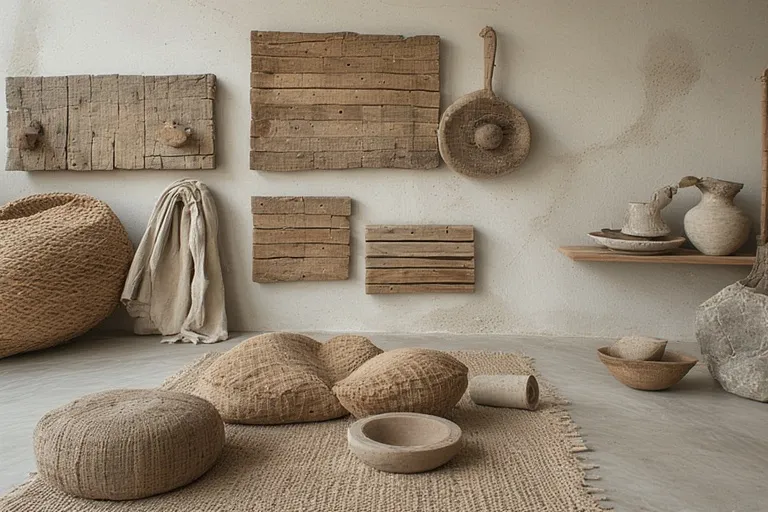
Materials play a significant role in shaping both the aesthetics and sustainability of your home. Here are some popular eco-friendly options:
- Reclaimed Wood: Using wood salvaged from old buildings or furniture minimizes deforestation and adds a rustic, unique charm to interiors.
- Bamboo: Fast-growing and highly renewable, bamboo is ideal for flooring, furniture, and decorative accents.
- Recycled Metals: Incorporating metals from recycled sources reduces energy consumption during production and offers industrial elegance.
- Organic Fabrics: Textiles like organic cotton, linen, or hemp avoid harmful chemicals while providing durability and comfort.
- Natural Stones: Materials like marble, slate, or travertine are long-lasting and add a timeless appeal to floors, countertops, and décor.
When combined thoughtfully, these materials can create a cohesive interior that is both environmentally responsible and visually striking.
Energy-Efficient Home Design
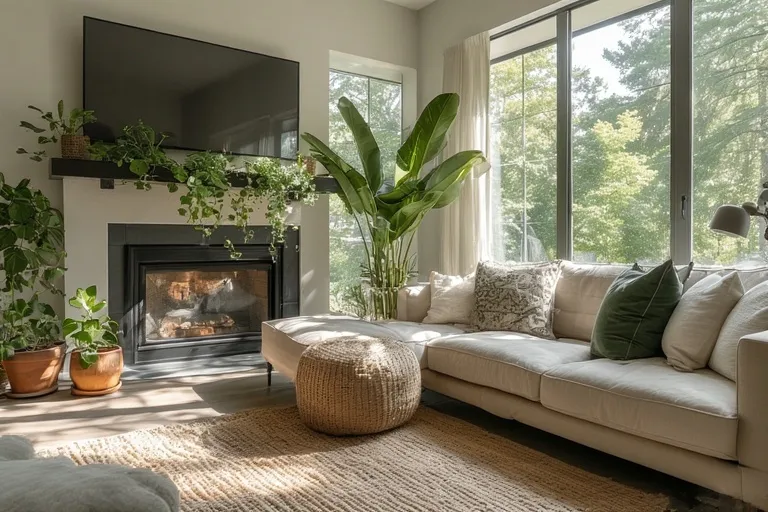
Sustainable decor is not just about the items you choose; it also extends to how your home functions. Energy-efficient lighting, smart thermostats, and insulation improvements can dramatically reduce your carbon footprint. Incorporating LED lighting, for instance, consumes far less energy than traditional bulbs while offering flexible design options. Large windows and strategic placement of mirrors can maximize natural light, reducing dependence on artificial lighting and enhancing the overall ambiance.
Incorporating plants is another subtle yet impactful step. Not only do they purify the air, but they also bring a sense of calm and connection to nature. Indoor plants can complement sustainable furniture and décor, creating a balanced environment that merges functionality, style, and ecological awareness.
Second-Hand and Upcycled Furniture
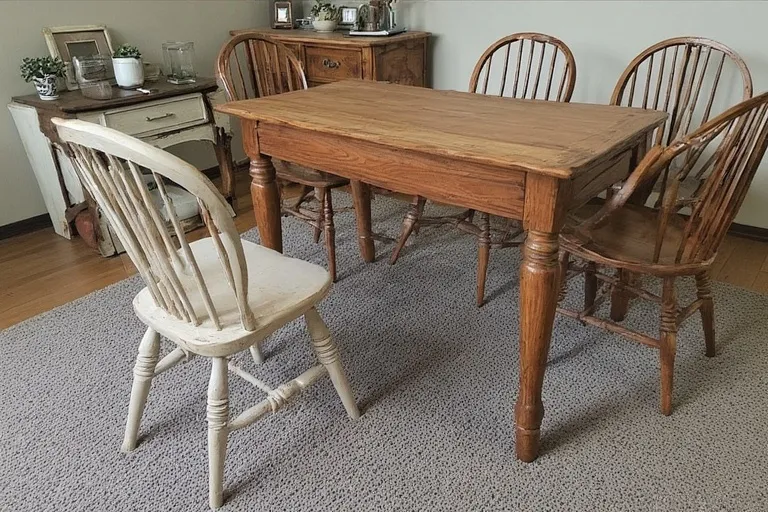
One of the most creative approaches to sustainable house decor is embracing second-hand and upcycled furniture. Vintage or thrifted pieces often come with unique character that modern mass-produced items cannot replicate. Upcycling—the process of transforming old furniture or materials into something new—can breathe life into forgotten items while reducing landfill waste.
For example, an old wooden door can be transformed into a rustic dining table, or worn-out cabinets can be refinished and repurposed. These projects not only save resources but also allow for personalized design that reflects your individuality and creativity.
Choosing Ethical Brands
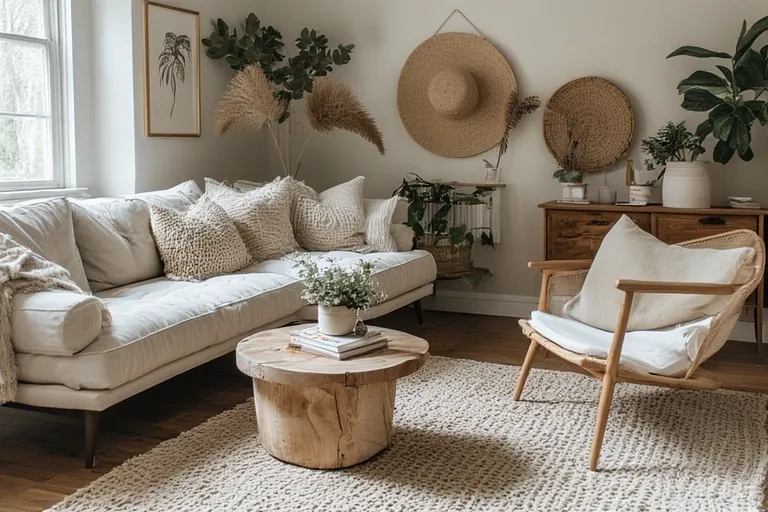
Supporting brands that prioritize sustainability is equally important. Ethical companies focus on reducing environmental impact, using non-toxic materials, and ensuring fair labor practices. When selecting home decor items, look for certifications such as FSC-certified wood, OEKO-TEX textiles, or Fair Trade products. These certifications indicate that the items were produced responsibly, giving you peace of mind while contributing to a larger movement toward conscious consumption.
Shopping locally can also reduce carbon emissions associated with shipping and support your community. Combining thoughtful sourcing with eco-friendly practices amplifies the impact of your sustainable decor choices.
Minimalism and Timeless Design
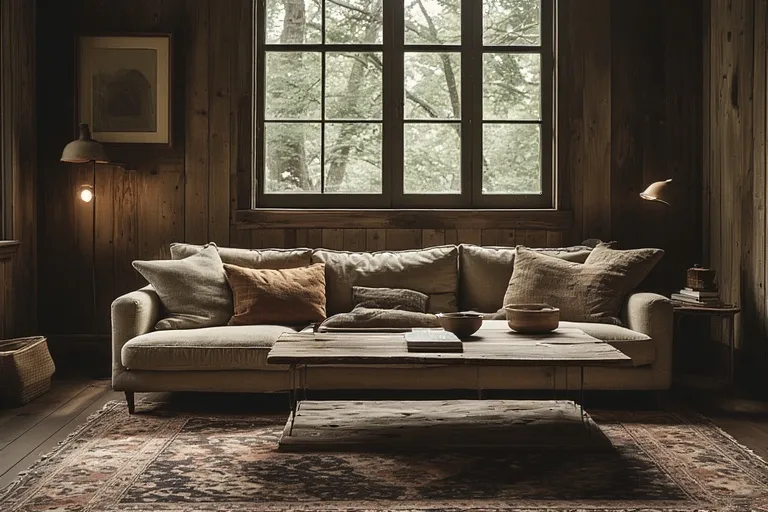
A sustainable approach to home decor naturally aligns with minimalism and timeless design. Instead of following fleeting trends, focus on quality pieces that remain stylish over the years. Neutral color palettes, simple lines, and versatile furnishings reduce the need for frequent replacements, ultimately lowering waste.
Decluttering and organizing also contribute to sustainability. By keeping only items that serve a purpose or bring joy, you create a cleaner, more functional space. This mindset encourages intentional purchasing and mindful living, which are central principles of sustainable decor.
Everyday Practices to Support Sustainability
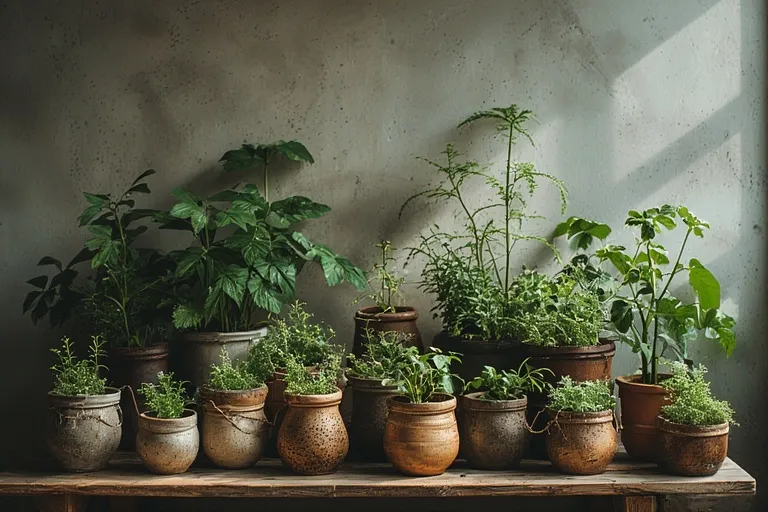
In addition to choosing eco-friendly products, small daily habits can reinforce your commitment to sustainable living. Here are some practical strategies:
- Recycling and Composting: Properly sorting waste helps reduce landfill contributions and supports circular resource use.
- Reducing Plastic: Opt for glass, metal, or natural materials for storage and décor items instead of single-use plastics.
- Energy Conservation: Turn off lights and electronics when not in use, and consider energy-efficient appliances.
- Water Efficiency: Install low-flow fixtures and use water-saving practices in your home.
- DIY and Repair: Instead of discarding damaged items, repair or repurpose them to extend their life.
These practices reinforce the environmental values of your home and create a lifestyle that supports long-term sustainability.
The Benefits of Sustainable House Decor
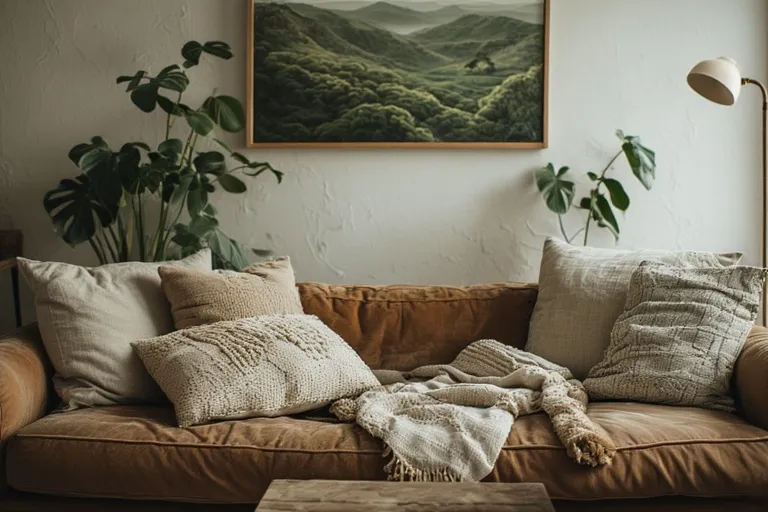
Adopting sustainable decor offers numerous advantages beyond environmental impact. Homes designed with eco-friendly materials and practices tend to be healthier, safer, and more comfortable. Reduced exposure to chemicals, improved indoor air quality, and thoughtful lighting choices enhance well-being and create spaces that truly support daily life.
Financially, investing in durable, high-quality items saves money over time. While initial costs may be higher than mass-produced alternatives, the longevity and multifunctionality of sustainable pieces offer better value in the long run.
Moreover, sustainable decor promotes mindfulness and creativity. Engaging in upcycling projects, sourcing responsibly, and designing intentionally all contribute to a sense of satisfaction and fulfillment. Living in a space aligned with personal values nurtures both mental and emotional wellness.
Conclusion
Sustainable home decor is more than a trend; it is a thoughtful approach to living that balances style, functionality, and responsibility. By choosing eco-friendly materials, supporting ethical brands, and embracing second-hand or upcycled items, you can create a home that reflects both personal taste and environmental awareness. Incorporating energy-efficient practices, minimalism, and timeless design ensures that your living space remains beautiful and functional for years to come. Ultimately, sustainable decor allows you to transform your environment while making a positive impact on the planet
Q1: What is sustainable home decor?
Sustainable home decor focuses on eco-friendly, durable, and ethically sourced items to create a stylish and responsible living space.
Q2: How can I make my home more sustainable?
You can make your home more sustainable by using recycled materials, energy-efficient lighting, and supporting ethical brands.
Q3: What are the best materials for eco-friendly home decor?
Reclaimed wood, bamboo, organic textiles, recycled metals, and natural stones are excellent choices for sustainable interiors.
Q4: Is sustainable home decor expensive?
While initial costs may be higher, sustainable home decor saves money long-term through durable, versatile, and timeless pieces.
Q5: Can I upcycle furniture for sustainable home decor?
Yes, upcycling old furniture reduces waste and adds unique, personalized style to your home.
One Comment