
Sustainable Textile Decor: 6 Innovative Eco-Friendly Trends
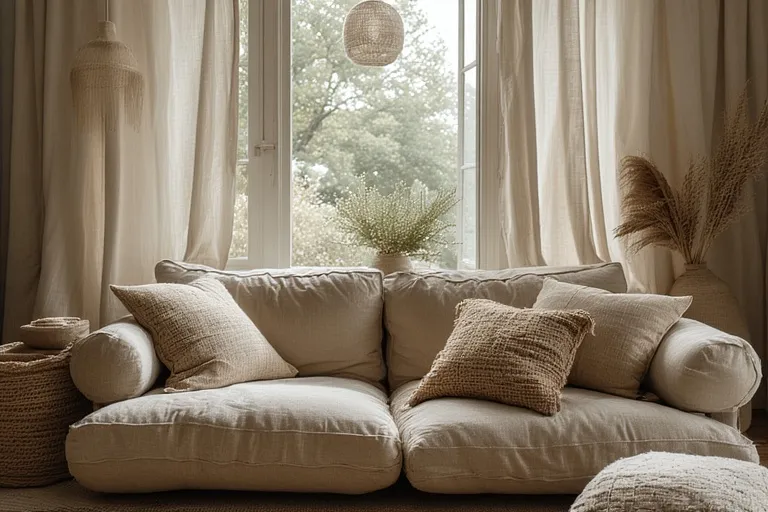
Sustainable textile decor is becoming an essential choice for homeowners who want a stylish home that also supports the environment. This design approach allows you to express your personal taste using materials that are both beautiful and responsible. From curtains to cushions, sustainable fabrics elevate your interiors with purpose and charm. Choosing earth-friendly textiles helps create a home that feels thoughtful, warm, and conscious.
What makes sustainable decor so appealing is its blend of aesthetics and eco-awareness. Organic cotton, linen, jute, and recycled fabrics offer texture and visual interest without harming the planet. These materials fit effortlessly into any design style, from modern minimalism to cozy rustic themes. With mindful selection, your textiles can become a meaningful part of your home’s identity
Benefits of Using Eco-Friendly Fabrics
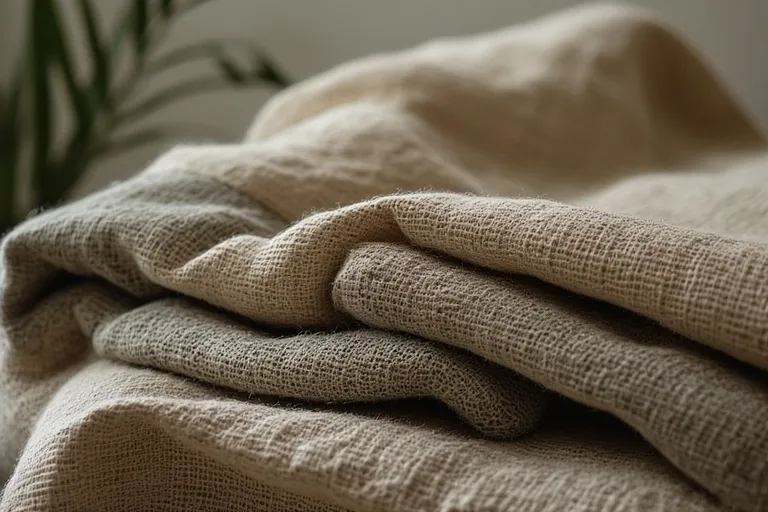
The advantages of incorporating eco-friendly fabrics into your home extend beyond environmental impact. First, sustainable textiles are often made without harmful chemicals, reducing allergens and improving indoor air quality. Organic cotton, hemp, bamboo, and recycled fibers offer a softer, more natural feel compared to conventional fabrics. These materials are durable, meaning they last longer and reduce waste over time. Investing in sustainable fabrics is both a smart choice for your health and a long-term financial benefit. You have to look Recycled Glass Vases
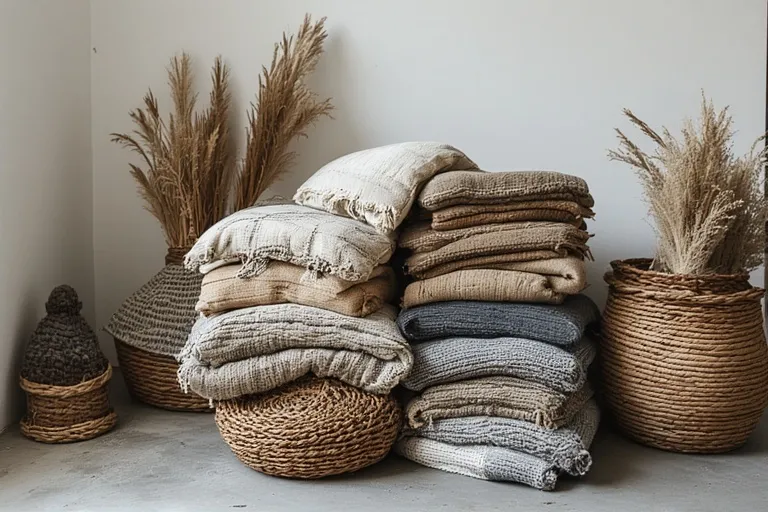
Additionally, sustainable textiles often support fair trade practices and ethical manufacturing. Many eco-friendly brands work with artisans and local communities, providing fair wages and promoting traditional craftsmanship. By choosing these textiles, you not only enhance your home but also support ethical and responsible businesses. It’s a small step that creates a positive impact on both global and local scales.
Types of Sustainable Textiles for Home Decor
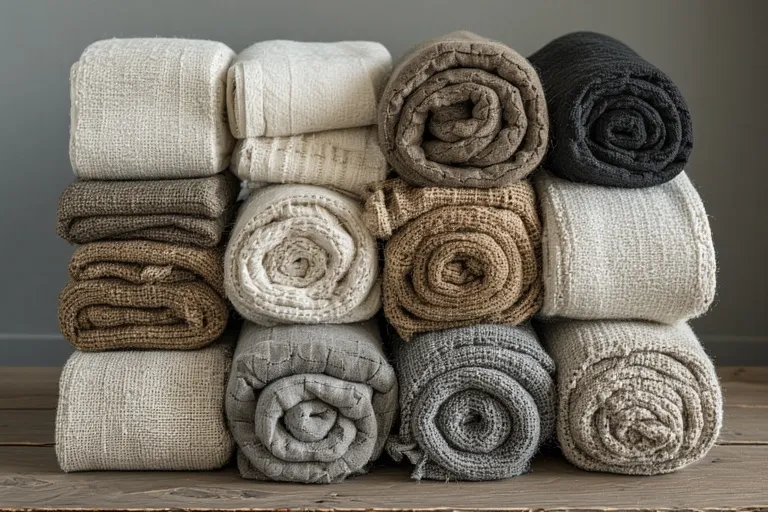
When decorating your home sustainably, it’s essential to understand the different types of fabrics available. Each option has unique benefits that suit various interior styles and purposes.
- Organic Cotton
Grown without synthetic pesticides and fertilizers, organic cotton is soft, breathable, and versatile. It is commonly used in curtains, bed linens, and cushion covers. Beyond its comfort, organic cotton is biodegradable and significantly reduces the environmental footprint compared to conventional cotton. - Hemp
Hemp is a highly durable and eco-friendly fabric that requires minimal water and pesticides. Its textured appearance adds character to home furnishings, making it ideal for rugs, upholstery, and drapes. Hemp fabrics are resistant to mold and UV damage, ensuring longevity and low maintenance. - Bamboo Fabric
Bamboo textiles are derived from bamboo pulp, which is a fast-growing and renewable resource. Bamboo fabrics are soft, moisture-wicking, and naturally antibacterial. These qualities make them perfect for bed sheets, towels, and cushion covers. Moreover, bamboo cultivation has a smaller environmental impact compared to traditional fiber crops. - Recycled Fabrics
Fabrics created from recycled materials, such as plastic bottles or reclaimed textiles, help reduce waste. Recycled polyester and nylon can be transformed into stylish upholstery, rugs, and decorative throws. These fabrics maintain durability and comfort while promoting circular fashion and sustainability.
Tips for Incorporating Sustainable Textiles into Your Home
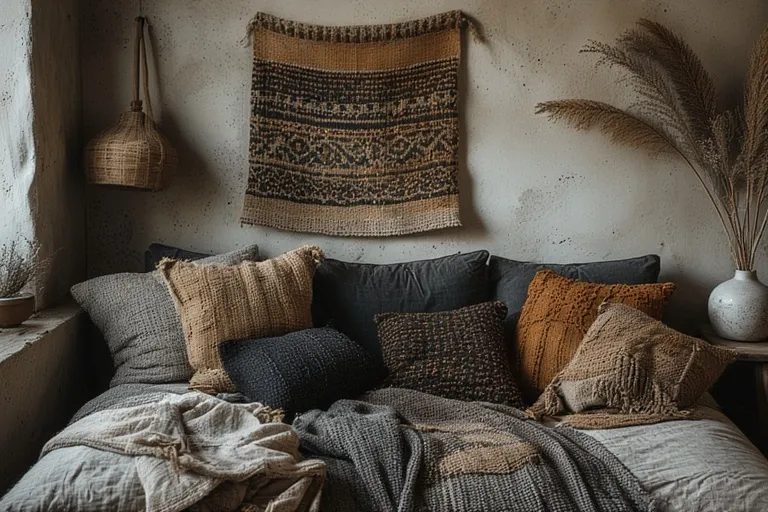
Integrating eco-friendly fabrics into your home decor doesn’t have to be complicated. With a few thoughtful choices, you can create a space that is stylish, comfortable, and environmentally responsible.
- Start with Key Pieces: Replace high-use items like sofa covers, curtains, and bed linens with sustainable alternatives. These items create a significant visual impact and improve your home’s overall eco-friendliness.
- Mix Textures and Layers: Sustainable fabrics like hemp and organic cotton can be paired with recycled or natural textiles to add depth and warmth to any room. Layering throws, cushions, and rugs enhances comfort while showcasing sustainable style.
- Focus on Quality over Quantity: Investing in fewer, high-quality sustainable pieces reduces clutter and ensures long-term usability. Choose fabrics that are durable, easy to clean, and timeless in design.
- DIY and Upcycling: Consider repurposing old fabrics into cushion covers, table runners, or wall hangings. Upcycling reduces waste and adds a personal, handcrafted touch to your decor.
- Natural Dyes and Minimal Chemical Use: Look for fabrics dyed with natural pigments or produced with minimal chemical processing. This protects both your family and the environment from harmful substances.
Styling Ideas with Sustainable Textile Decor
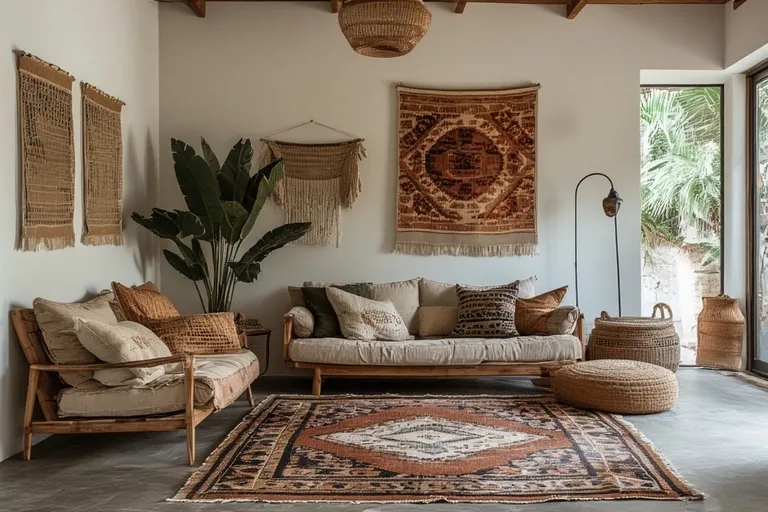
Sustainable textile can be seamlessly integrated into various interior styles, from modern minimalist to bohemian chic. Here are some practical ideas:
- Living Room: Use organic cotton slipcovers for sofas or hemp rugs for flooring. Add recycled fabric cushions in vibrant patterns to create a focal point.
- Bedroom: Choose bamboo or organic cotton bedsheets for a soft, breathable sleeping environment. Layer with upcycled throws to add color and texture.
- Dining Area: Incorporate recycled linen table runners or napkins. These sustainable choices elevate your dining space while reducing single-use products.
- Home Office: Consider hemp or cotton fabric bulletin boards or chair cushions. These small additions combine functionality with eco-consciousness.
- Accent Pieces: Sustainable textiles can also shine in smaller decorative items like poufs, wall hangings, or window panels, making a subtle yet stylish impact.
Caring for Sustainable Fabrics
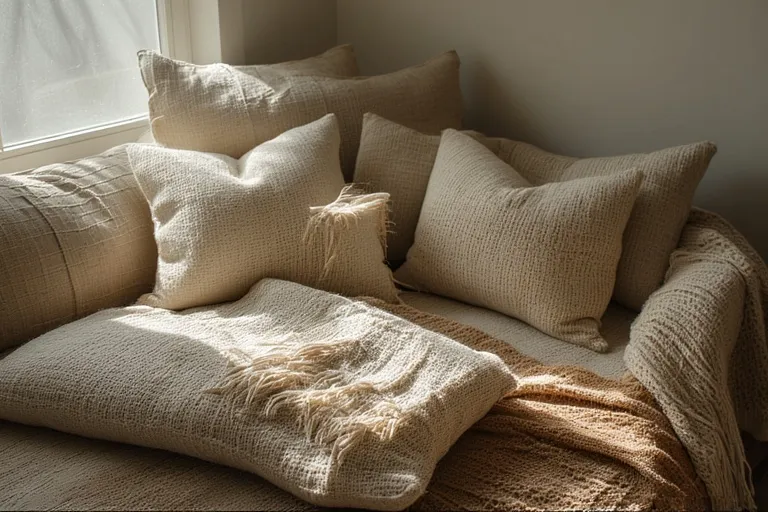
Proper care ensures that your sustainable textiles last longer and remain beautiful. Here are some tips:
- Wash Gently: Use mild detergents and cold water to maintain the integrity of organic and natural fabrics.
- Air Dry: Whenever possible, air dry fabrics instead of using a dryer to reduce energy consumption and prevent shrinkage.
- Repair and Mend: Instead of discarding damaged items, repair small tears or worn areas to extend the lifespan of your textiles.
- Rotate and Refresh: Rotate cushions, throws, and rugs regularly to reduce wear in high-traffic areas.
By maintaining your sustainable fabrics with care, you not only protect your investment but also continue supporting environmentally friendly practices.
The Future of Eco-Friendly Home Decor
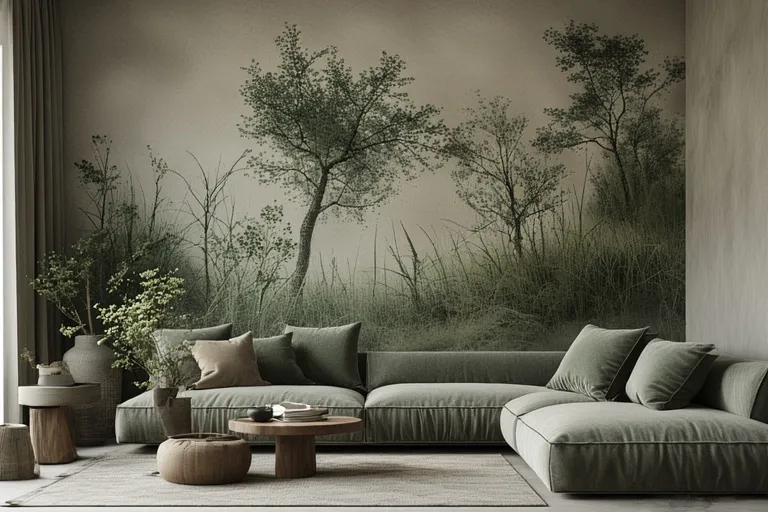
As awareness of environmental impact grows, sustainable textile is likely to become a central element of interior design. More brands are producing innovative fabrics made from organic, recycled, and regenerative sources. Homeowners are increasingly seeking products that are not only stylish but also align with their values. From biodegradable fibers to closed-loop manufacturing systems, the industry is evolving rapidly, providing endless opportunities for creating responsible, beautiful spaces.
Integrating sustainable textiles into your home allows you to contribute to this positive change while enjoying comfort, style, and functionality. Thoughtful choices in fabrics reflect not only aesthetic sensibility but also a commitment to preserving the environment for future generations.
Conclusion
Incorporating sustainable textile decor into your home is a practical and impactful way to combine style with environmental responsibility. From organic cotton to recycled fabrics, the variety of eco-friendly options allows you to craft interiors that are both beautiful and conscientious. By making informed choices in your home decor, you can enjoy luxurious textures, timeless designs, and a healthier living space, all while contributing to a greener planet. Sustainable textiles prove that thoughtful design and eco-conscious living can go hand in hand, creating a home that is elegant, functional, and environmentally friendly.
What is sustainable textile decor?
Eco-friendly fabrics used in home decor that are stylish and environmentally responsible.
Which fabrics are considered sustainable?
Organic cotton, hemp, bamboo, and recycled fabrics.
How do sustainable textiles benefit health?
They are chemical-free, hypoallergenic, and improve indoor air quality.
Can sustainable fabrics be stylish?
Yes, they come in various textures, colors, and designs for every decor style.
How can I care for sustainable fabrics?
Wash gently, air dry, repair when needed, and rotate items regularly.
One Comment